THE PERSON BEHIND THE ACCOUNT
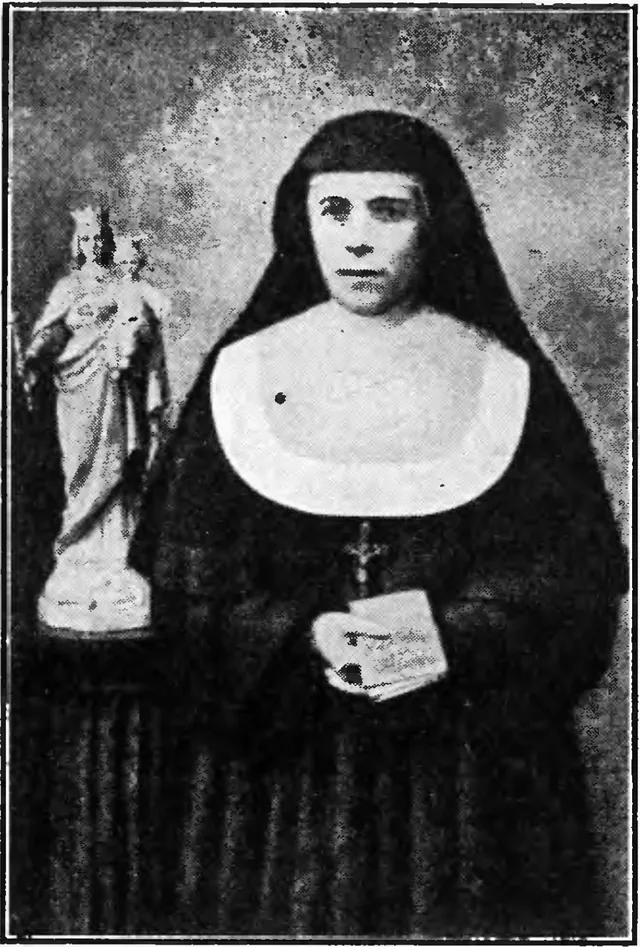
Paola Frassinetti’s first teachers worked at night to keep their school open.
Paola Frassinetti and six companions began their common religious life in 1834. Their first school served very poor girls, and the women worked at night to support themselves. The founding carried a cost in labor before it acquired the permanence of an institution. [1]
The daughter needed at home
Born in Genoa in 1809, Paola lost her mother as a child. She helped care for her father and brothers, learned to read and write at home and later stayed with her priest brother Giuseppe at Quinto when exhaustion affected her health. The official biography connects those responsibilities with the years before her educational work began. [1]
At Quinto, repeated gatherings with girls revealed an ability to teach and organize. Six companions eventually shared her plan. The poor school was therefore an undertaking among women who had already spent time together, rather than a building appearing fully formed around a founder’s idea. [1]
A new name meant a new way of reaching girls
The community began as the Daughters of Holy Faith. In 1835 Paola adopted Luca Passi’s Work of Saint Dorothy, which reached girls in the places where they lived and worked. More experienced young women helped form relationships with them. The change to Sisters of Saint Dorothy expressed this addition to the mission. [2]
Rome, then beyond Italy
The congregation went to Rome in 1841. Its history records schools and parish work there, followed by expansion to Brazil and Portugal in 1866. The teaching purpose had to survive changes in language, place and the circumstances of the girls served. Those brief milestones do not tell the whole history of each school, but they show how far the original community’s responsibility extended. [2]
IN OUR OWN LIVES
Finding the girls a school could miss
A school can only help a child who gets through its door. Reaching children in their own daily settings begins with a different question: who is being missed? Friendship can help someone learn what prevents attendance before designing an answer.
THROUGH THE EYES OF FAITH
Faith and daily life
The congregation still connects its purpose with the whole person: education is meant to help a young person discover that she is loved by God and develop the capacity to respond. Its history also recalls a method built around friendship with girls in their own places of work and daily life. [2]
The will of God had a practical setting
Paola’s congregation presents her availability to God as inseparable from service to other people. Its account of her work at Quinto emphasizes education giving women room to develop and a voice in society. Her religious vocabulary belonged to an educator attentive to girls who lacked support. [5]
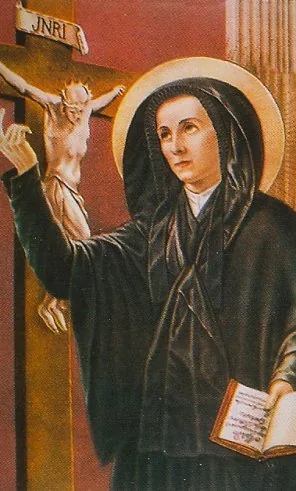
At her canonization on 11 March 1984, John Paul II connected her activity with devotion to Christ’s Heart and participation in the Cross. He described prayer and Eucharistic adoration within the institute. The source explains the Catholic meaning she gave to sacrifice; it should not be used to tell someone that avoidable deprivation or mistreatment is a duty to accept. [3]
Formation beyond a lesson
The canonization homily emphasized young women neglected by society and their preparation for responsibility in Christian and civic life. That is a larger educational aim than keeping pupils occupied or teaching them to repeat a prayer. The papal interpretation joins religious formation with a person’s ability to take her place in a community. [3]
THROUGH THE LENS OF SCIENCE
The evidence about the remains
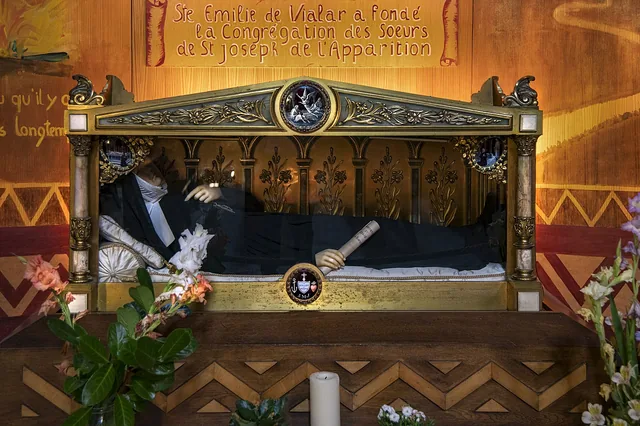
Vatican Radio reported in 2009 that Paola’s body was venerated at the Rome chapel in Via di Sant’Onofrio and had been found incorrupt in 1906. This is an official news account of a preservation tradition, without the underlying examination findings. [4]
A reported preserved body in Rome
The 2009 Vatican Radio report used the word intact and dated a discovery of incorruption to 20 March 1906. Such a report establishes what was publicly said about the remains. It is not a tissue inventory, a description of visible coverings or a record of all treatment since death in 1882. [4]
The evidence available here therefore supports a located and historically reported preservation claim. It leaves the preservation mechanism and full material history unresolved. A visitor’s impression through glass cannot supply the missing examination record. [4]
READER QUESTIONS
Questions and answers
Why are the sisters called Dorotheans?
Paola incorporated Luca Passi’s Work of Saint Dorothy, with its friendship-based outreach to girls where they lived and worked. [2]
Was her vocation primarily contemplative?
Prayer and devotion to Christ were central, alongside the practical work of a teaching community. The canonization homily links the two. [3]
Does an official report of incorruption settle the science?
It records a claim and location. The Vatican Radio article supplies no complete examination or conservation documentation from which to determine the mechanism. [4]
FOLLOW THE SOURCES
Sources and further reading
- Dicastery for the Causes of Saints — Paola Frassinetti
Church or shrine source
Family labor, exhaustion, Quinto gatherings and first school’s night work.
- Sisters of Saint Dorothy — Congregation history
Church or shrine source
1834/1835 beginnings, Dorothy outreach, Rome, Brazil/Portugal and educational spirituality.
- John Paul II — Canonization homily, 11 March 1984
Primary historical record
Primary act context and Catholic interpretation: Cross, Sacred Heart, education and responsibility.
- Vatican Radio — Paola relics, 11 June 2009
Church or shrine source
Reports Rome custody and 20 March 1906 incorruption; no underlying examination or treatment record.
- Sisters of Saint Dorothy — Paola Frassinetti
Church or shrine source
Founder’s educational purpose, women’s development and availability to God.
Sources checked: 2026-10-27. Suggest a correction or a source.