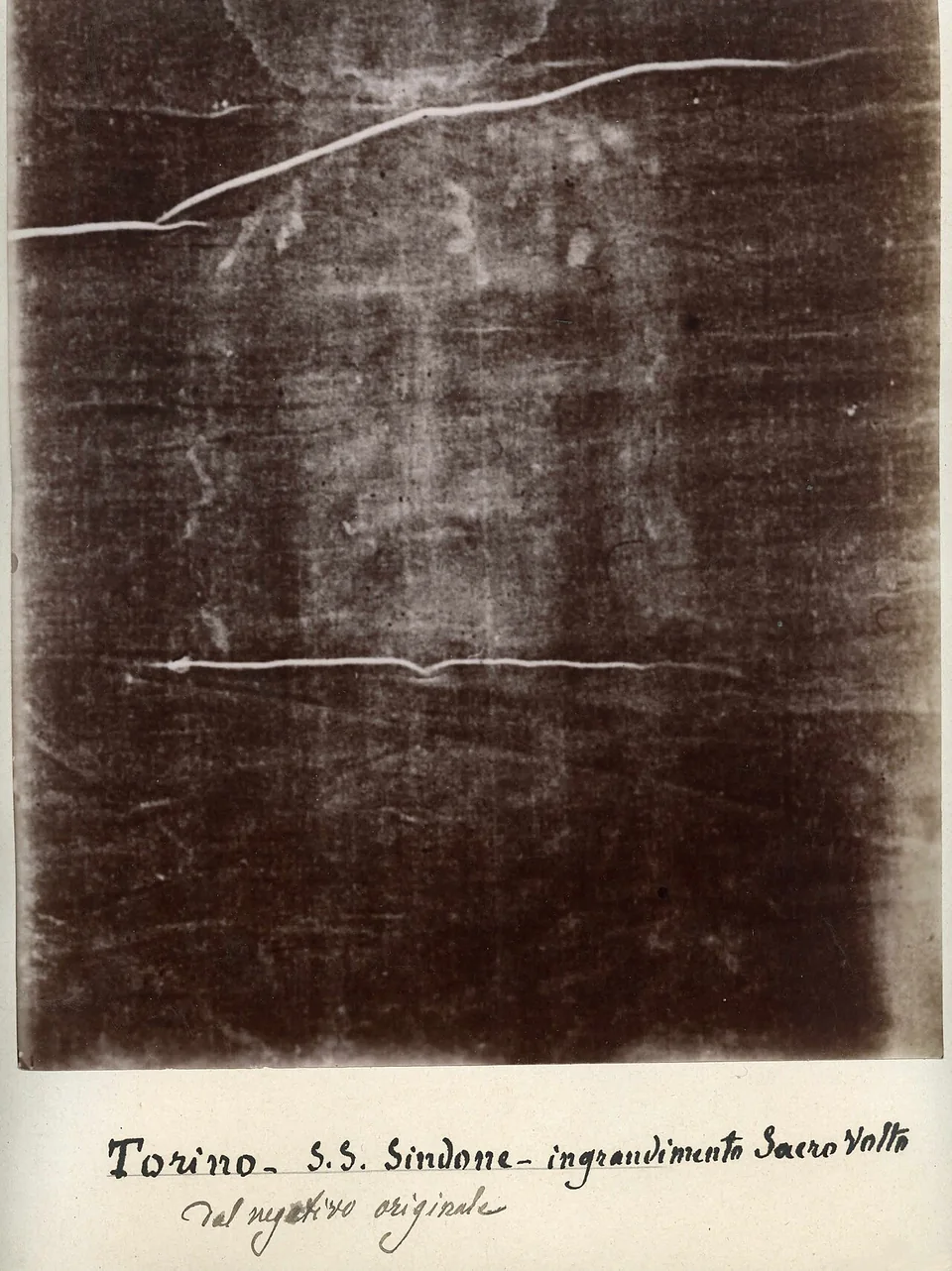
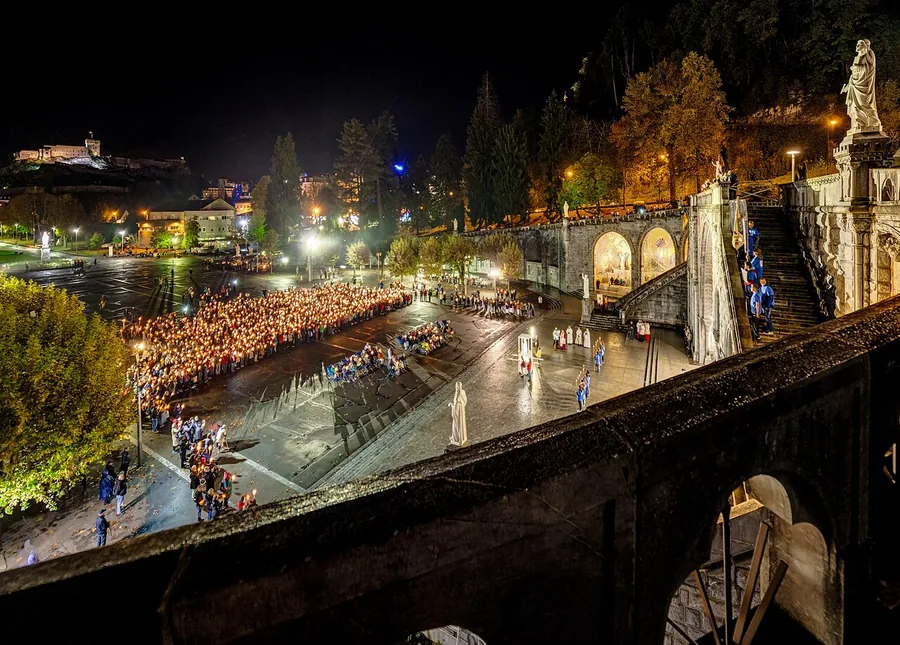
A 2025 study opens a careful look at blood tests, microbes and trace DNA — and at the difference between investigating an unusual appearance and interpreting its religious meaning.
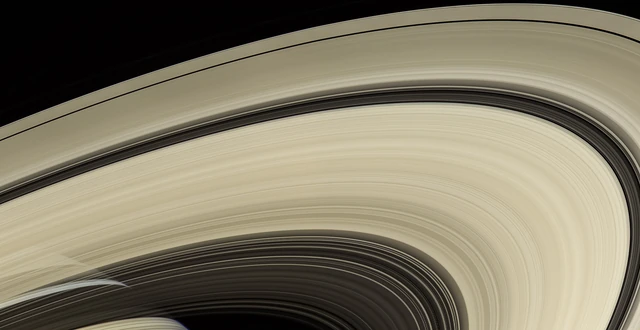
A small moon in Saturn’s rings poses a good question: why does some material stay scattered while other material holds together? The Roche limit helps explain both the answer and its qualifications.
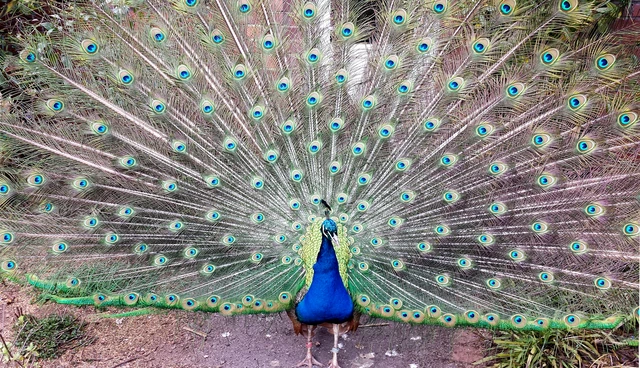
A feather’s shimmer begins with the way tiny structures handle light. Looking closely reveals a richer story about color, pigments, and the goodness of creatures.
Mary Kenneth Keller helped make computing an educational opportunity. Her achievement becomes more interesting when we separate the record from the legends.
Profile
6 min read
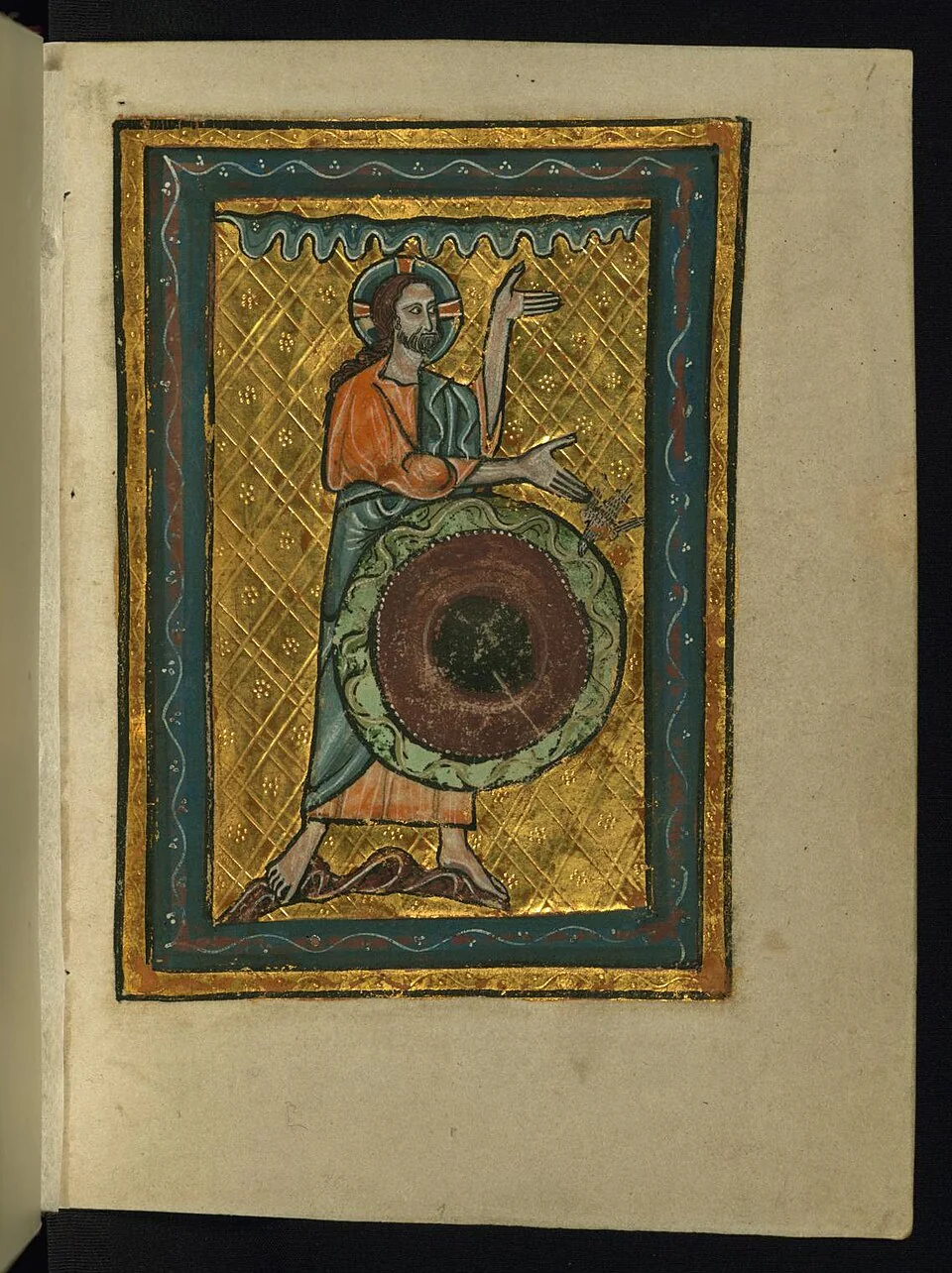
William de Brailes / The Walters Art Museum, W.106, fol.1r · Source & license
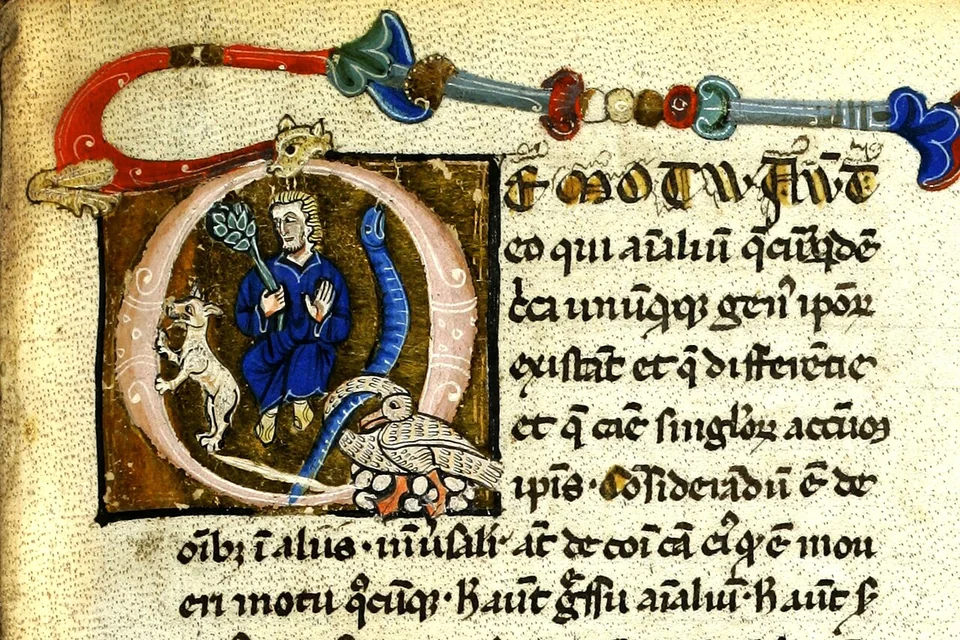
A medieval Dominican treated plants, minerals, and animals as subjects worth knowing. His example asks us to take both history and observation seriously.
Profile
6 min read
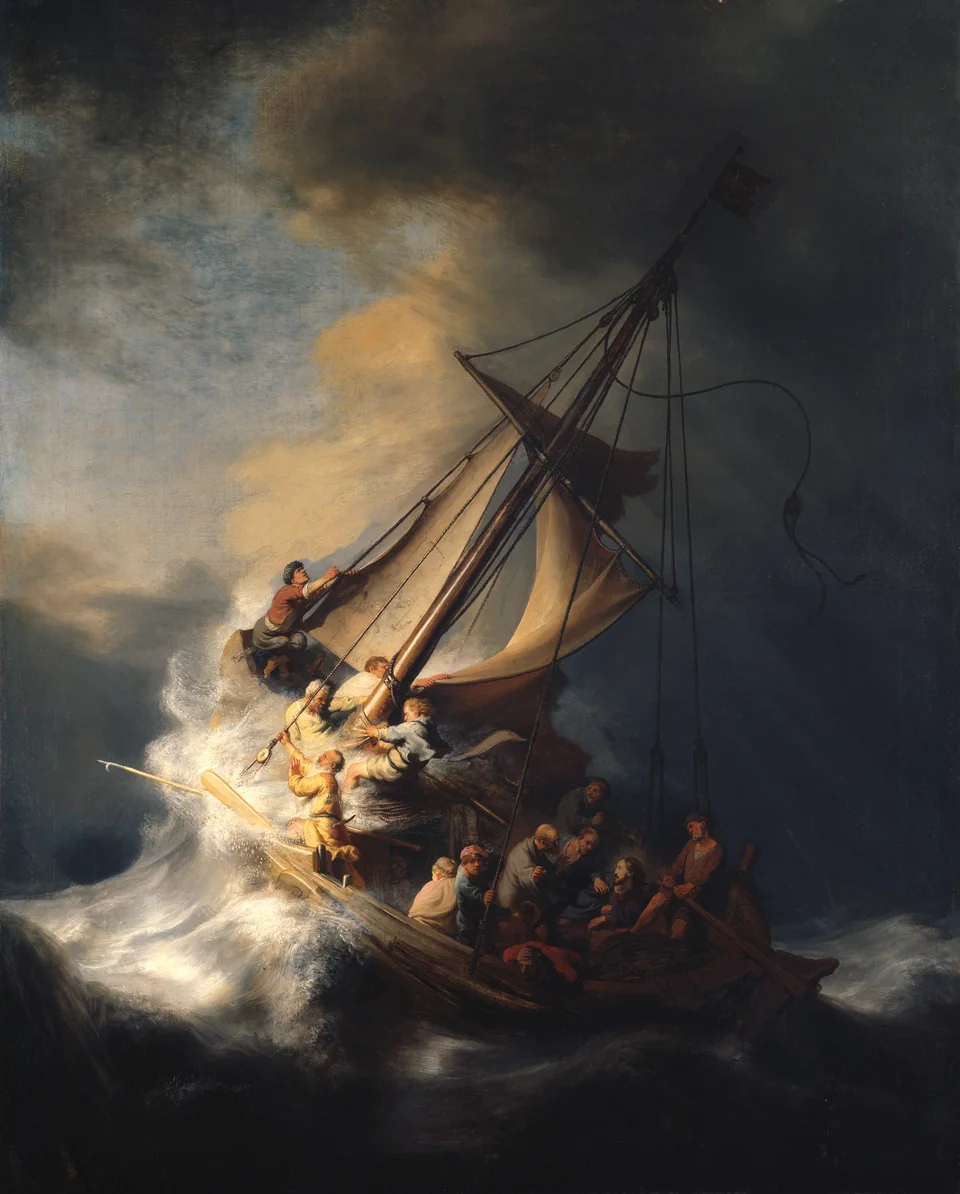
Rembrandt van Rijn / Isabella Stewart Gardner Museum, via Wikimedia Commons · Source & license
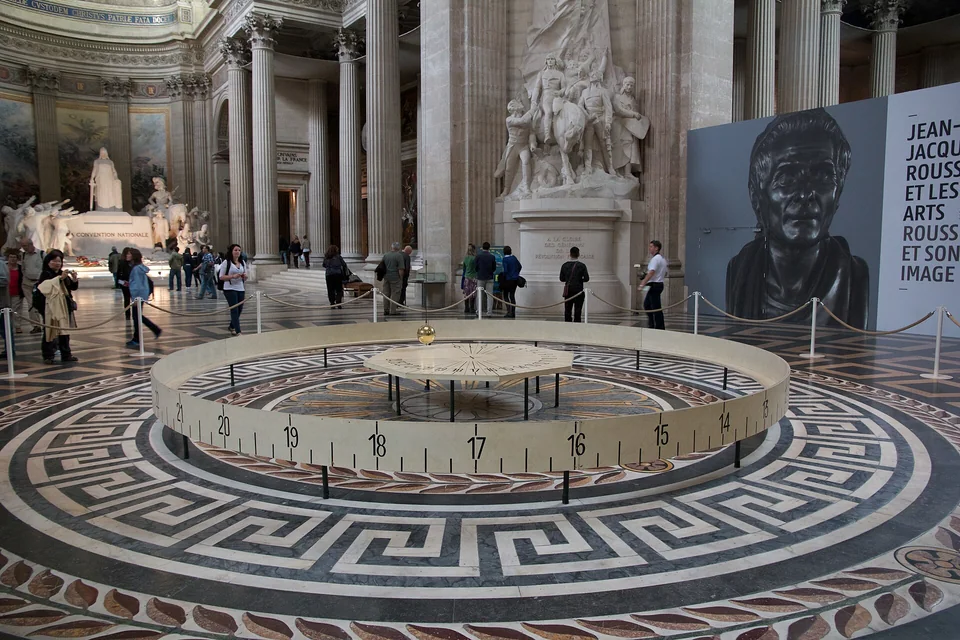
A natural law describes the world with remarkable precision. Deciding whether an extraordinary event is a divine sign requires further kinds of judgment.
Essay
6 min read
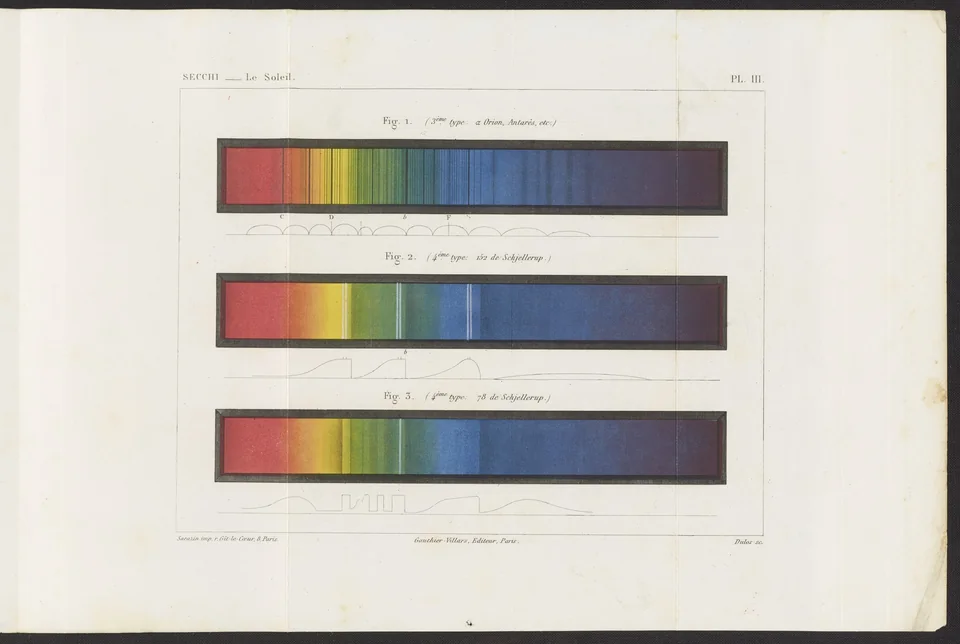
Pierre Dulos / Angelo Secchi, courtesy of Science History Institute · Source & license
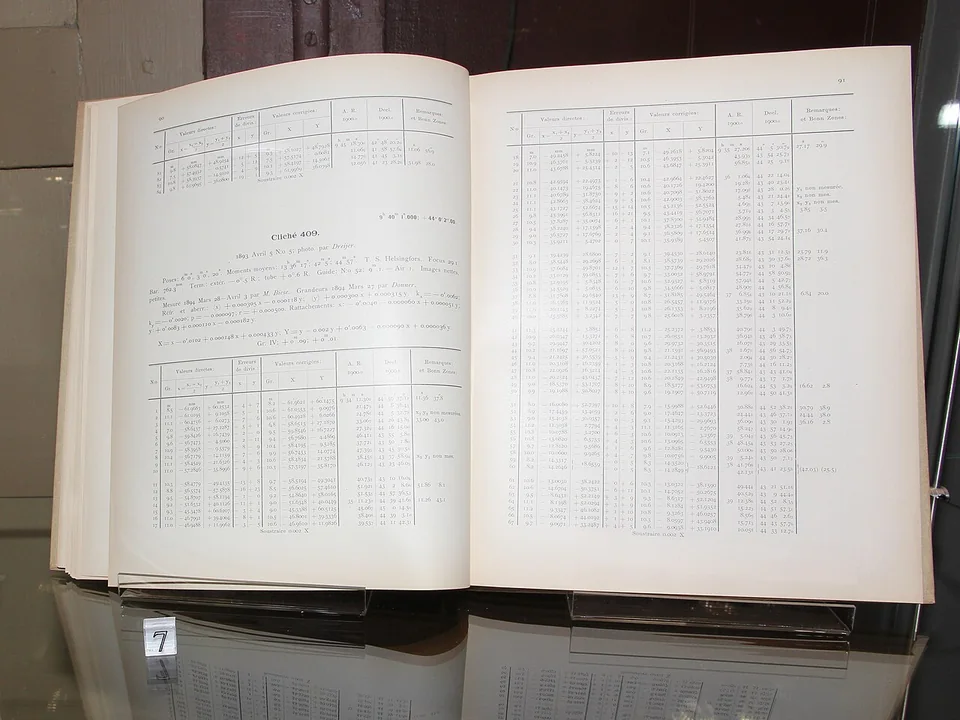
Four religious sisters helped transform photographic dots into a usable star catalogue. Their work reveals why measurement—and the people who do it—deserves a place in discovery.
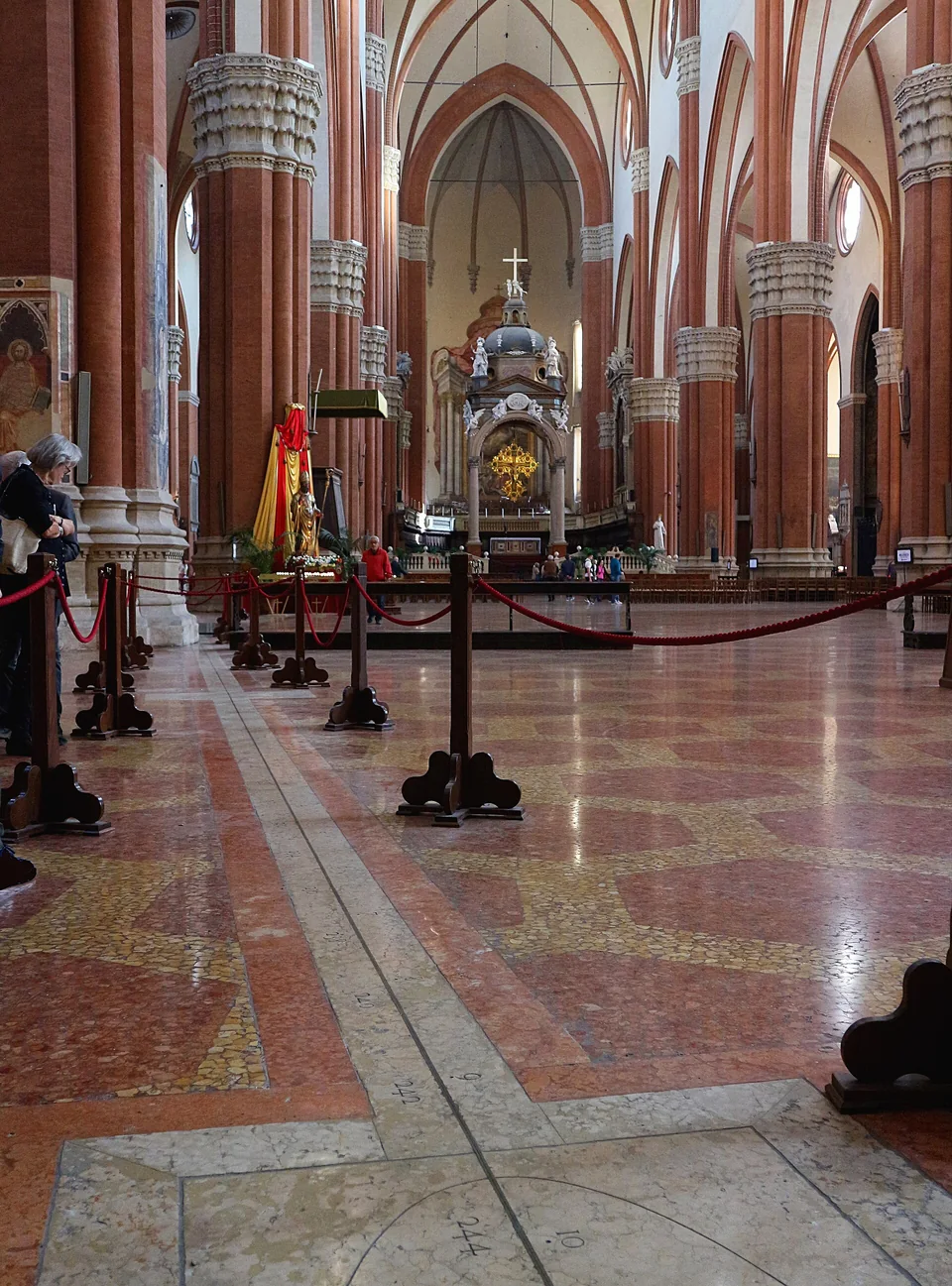
Inside Bologna’s San Petronio, a small opening and a long line made the Sun measurable. The instrument reveals a complicated history of worship, patronage, and inquiry.
Explainer
6 min read
Alfred T. Palmer / Library of Congress, LC-DIG-fsac-1a35068 · Source & license
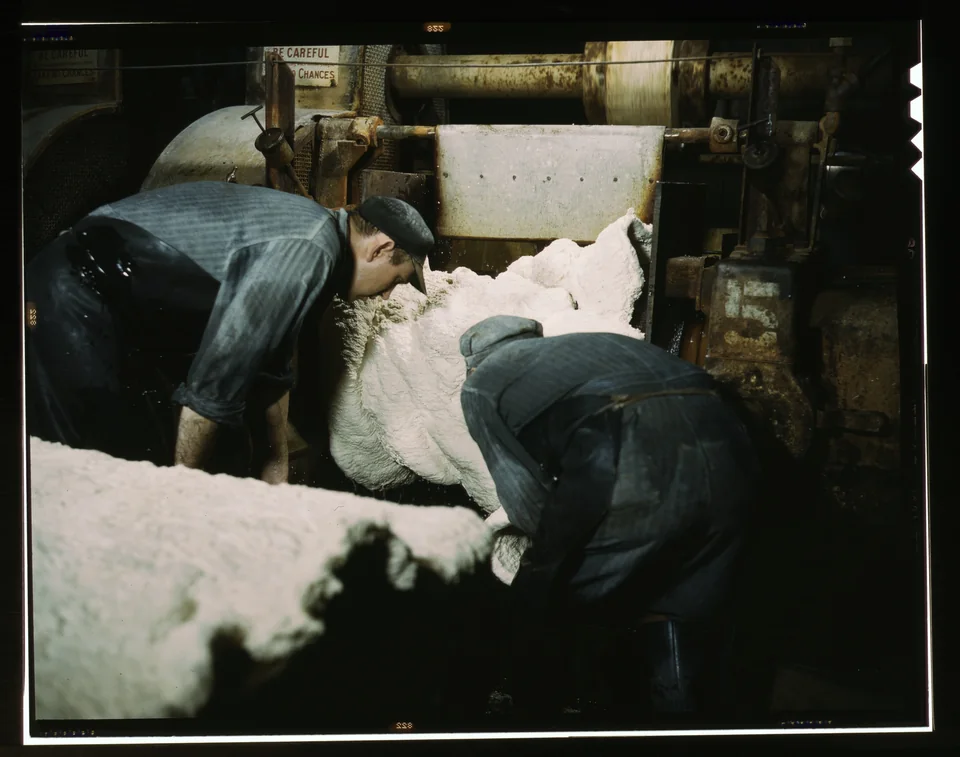
Julius Nieuwland’s acetylene research helped open a route to neoprene. The full story belongs to a network of chemists, and to the strange behavior of very large molecules.
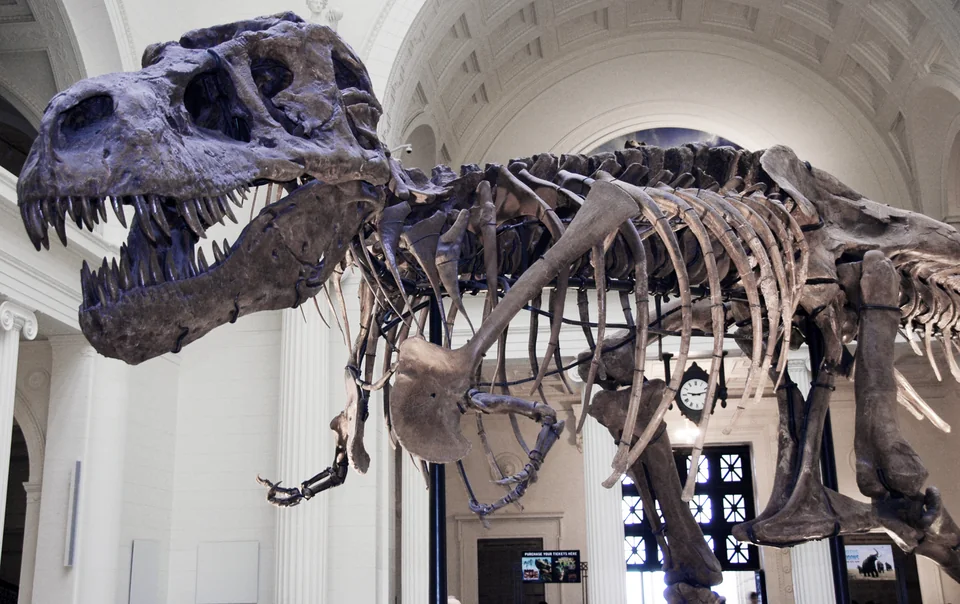
Fossils and living animals make suffering difficult to dismiss. Catholic reflection must face that evidence without pretending to possess a complete explanation.
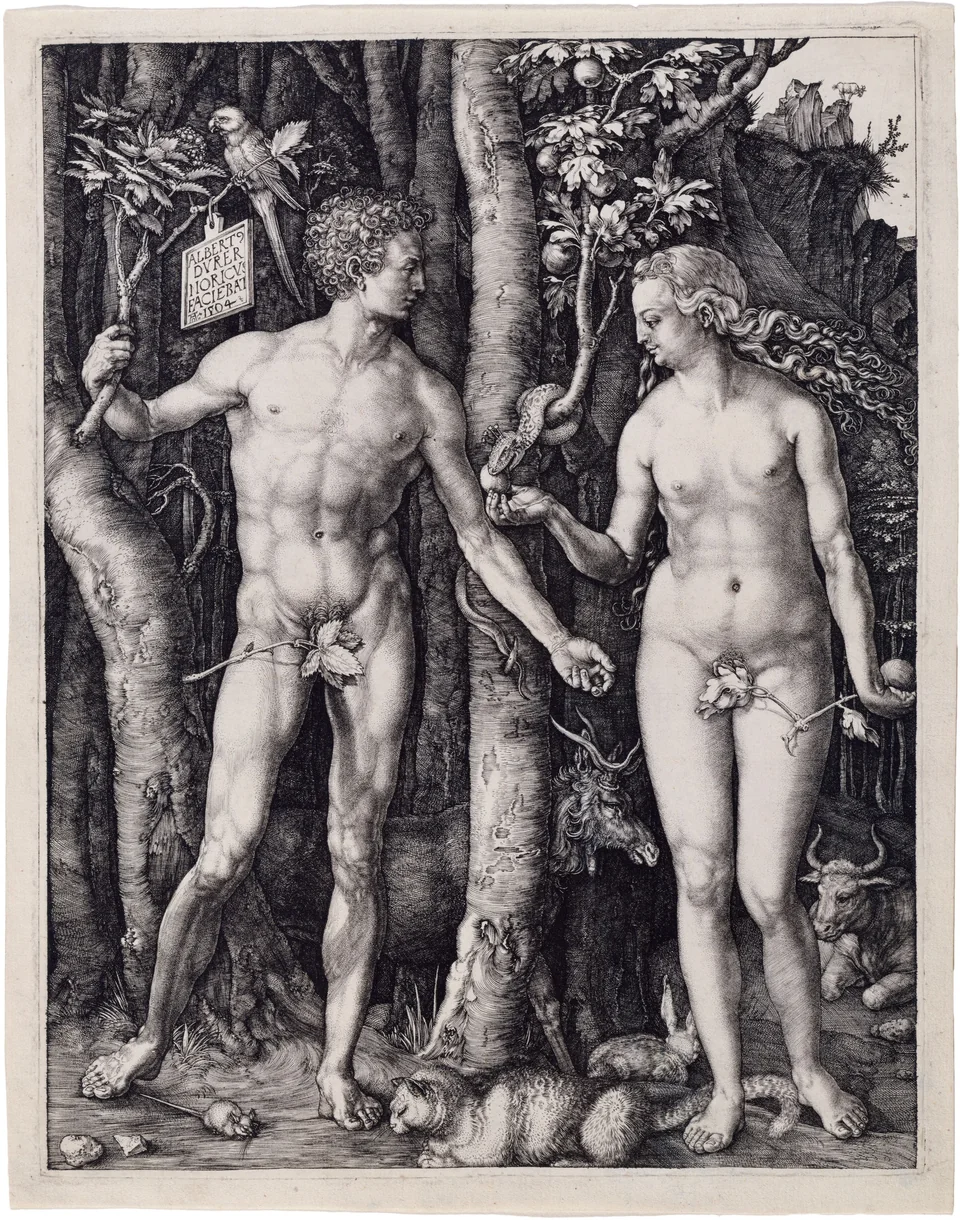
Population history, family ancestry, and original sin concern different things. Their connection is a serious question that neither a genetic nickname nor a quick harmonization resolves.
Making a building block, explaining an evolving population, and reconstructing Earth's first living systems are related achievements with different evidential demands.
Research story
6 min read
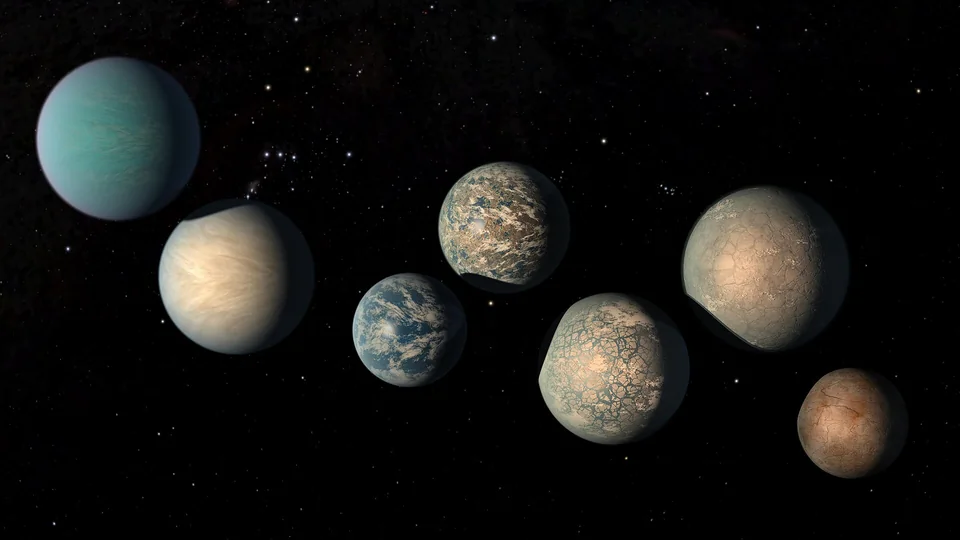
NASA/JPL-Caltech; background constellations courtesy of California Academy of Sciences/Dan Tell · Source & license
A microbe, an atmospheric signal, and an intelligent civilization would raise different questions. The theological response should begin with the discovery actually made.
Essay
5 min read
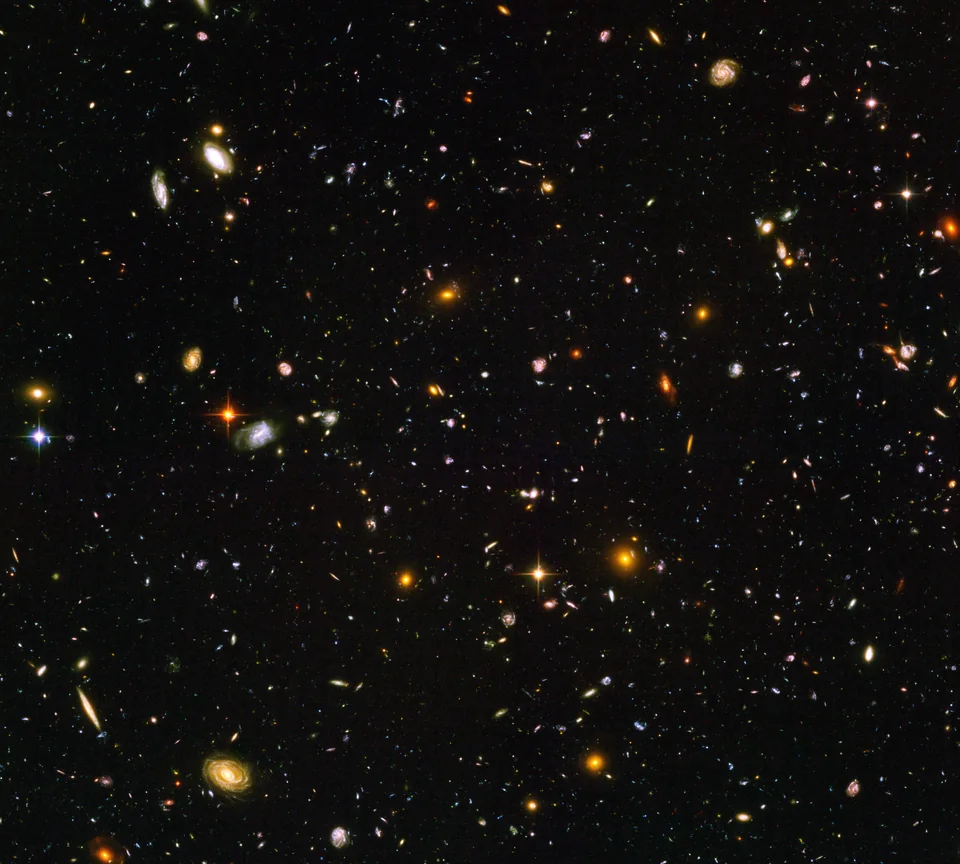
NASA, ESA, and N. Pirzkal (European Space Agency/STScI) and the HUDF Team (STScI) · Source & license
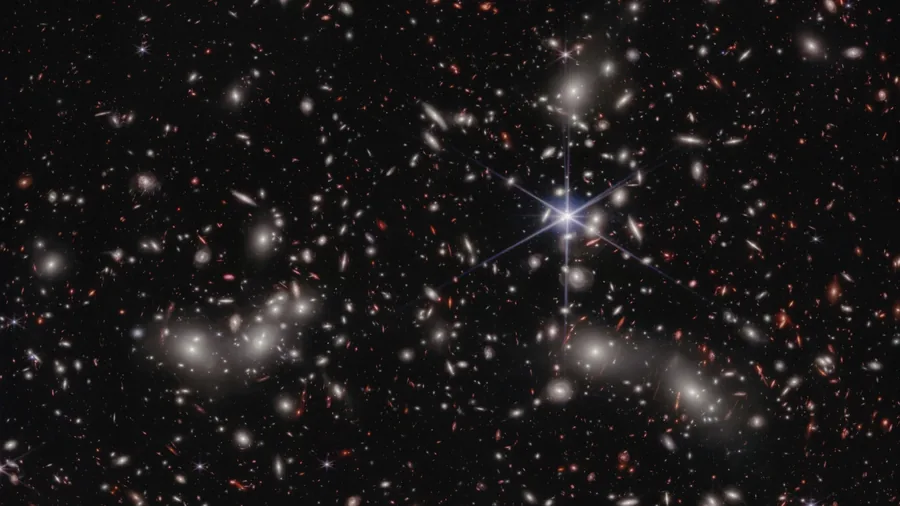
Some physical conditions matter profoundly for stars, chemistry, and life. Turning that observation into a probability or a theological conclusion takes additional arguments.
Researchers can study defined health outcomes after an organized prayer intervention. Knowing what that comparison means is as important as knowing the result.
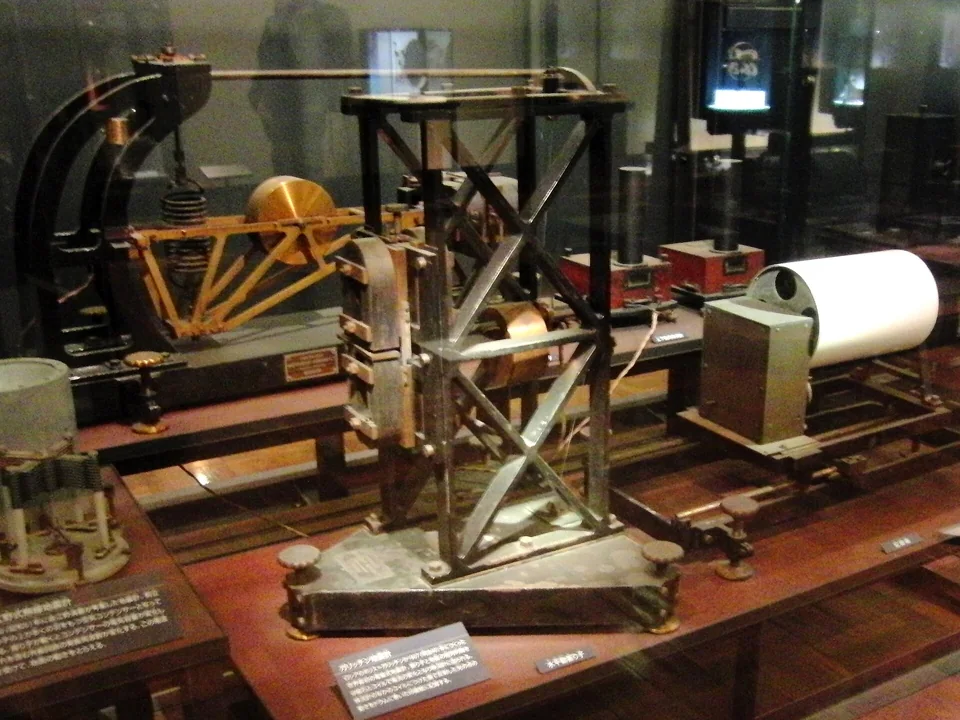
A network of Jesuit institutions helped turn distant ground motion into shared evidence. James Macelwane’s story connects careful instruments with a practical concern for people.
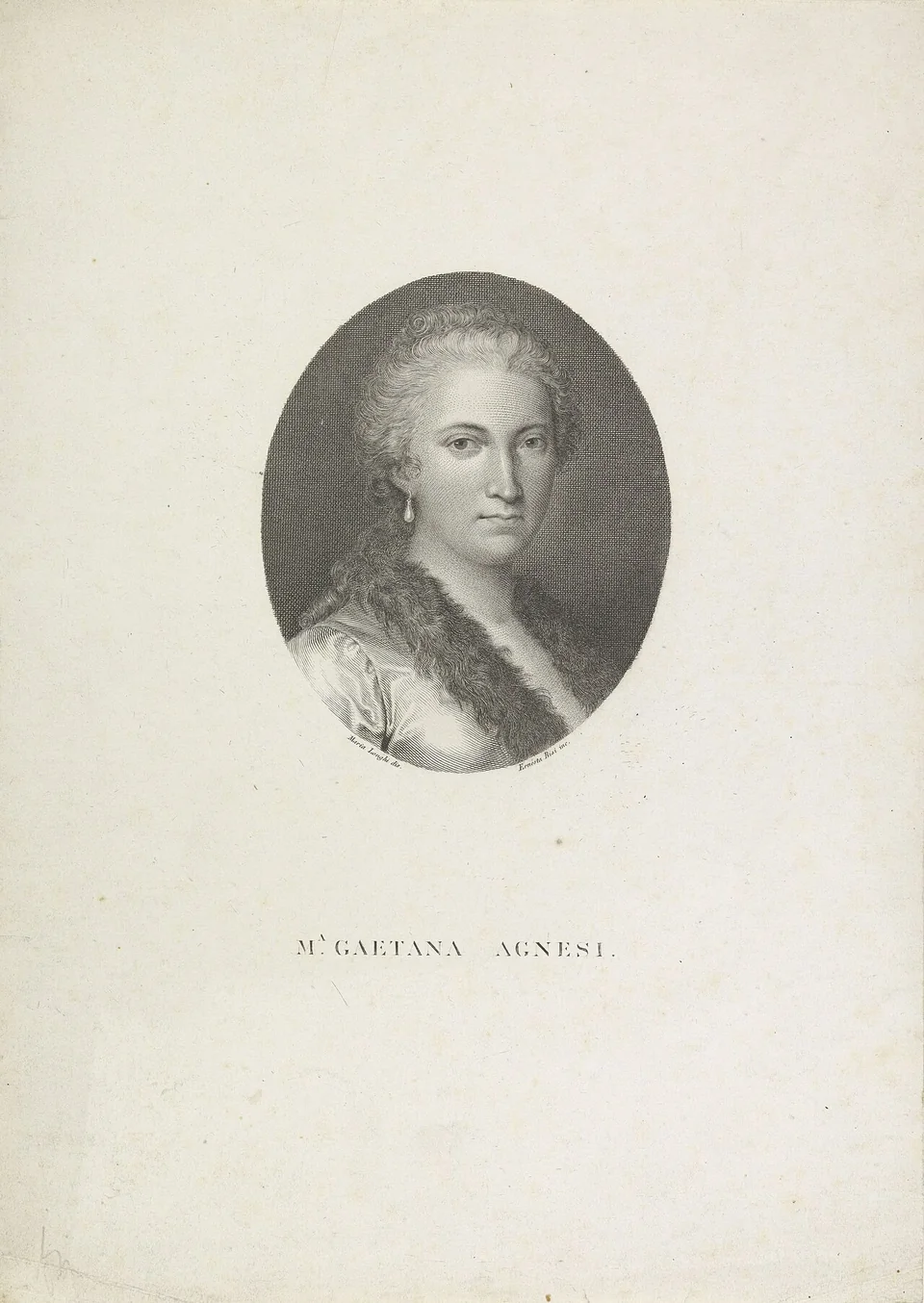
Agnesi made advanced mathematics easier to learn, then devoted much of her life to care. Both achievements deserve more than a story about a curious curve.