THE PERSON BEHIND THE ACCOUNT
Émilie de Vialar spent her inheritance on a mission she could barely keep afloat.
Émilie de Vialar’s congregation had hospitals to staff and sisters to support when its Algerian work ended in expulsion. The founder’s own community recounts a struggle with Bishop Dupuch over control of the institute. Protecting its wider mission cost her the buildings and money she had invested there. [3]
The house beside Saint-Pierre
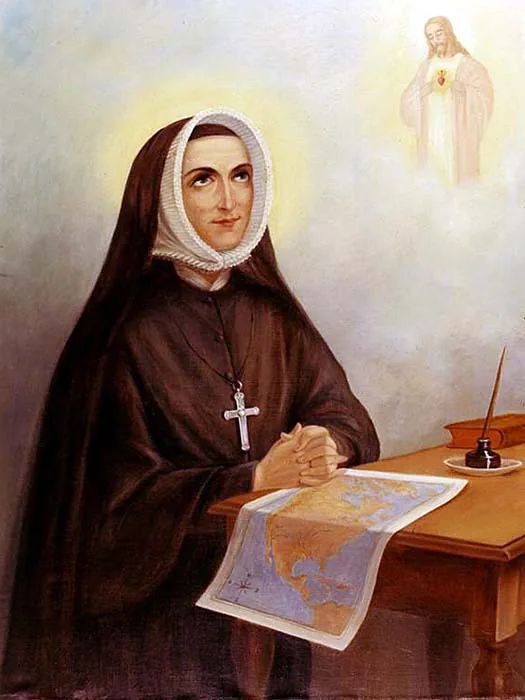
Born in Gaillac in 1797, Émilie welcomed people in need and enlisted companions in charitable work. At Christmas 1832 they began the Sisters of Saint Joseph of the Apparition, devoted to assistance and girls’ education. [1]
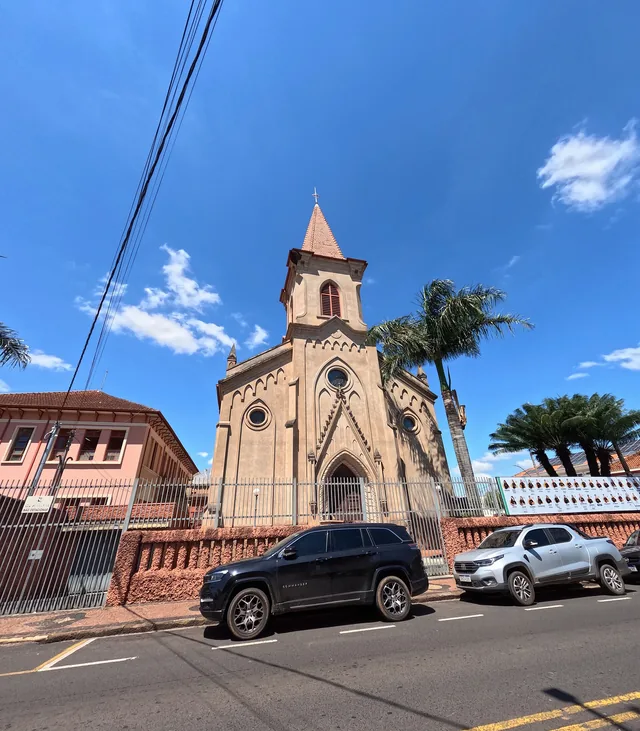
An inheritance from her grandfather, Baron Portal, allowed her to acquire the house near Saint-Pierre in Gaillac. The Diocese of Albi still identifies it with the community’s beginning. Property gave her initiative a base: care could become a shared undertaking with a place to work from. [4]
An invitation from Algeria
Her brother Augustin, among the French settlers in Algeria, asked for sisters to staff a hospital. Émilie accompanied the first group in 1835. The congregation’s account places this work within the French colony; the hospital story cannot be detached from that colonial setting. [3]
An institution’s account of its care does not supply every perspective on the society in which it worked. Charitable purposes can coexist with unequal political circumstances; both deserve attention.
A bishop, an appeal and a costly departure
According to the congregation, Bishop Dupuch sought changes that would confine its service to his diocese. Émilie defended a community able to work more widely and appealed to Rome. The same account says the sisters were deprived of the sacraments during the dispute and eventually compelled to leave Algeria. Her story contains conflict within the Church as well as support from churchmen. [3]
The work outgrew its founder’s resources
The official biography credits her with forty-two foundations stretching from North Africa to Burma despite poverty and opposition. The number represents a network of communities, with the recurring demands of staffing, education and care. Émilie died in Marseille on 24 August 1856; the congregation survived the loss of its founder. [1]
IN OUR OWN LIVES
Keeping a purpose through institutional failure
A useful project can become entangled in control, ownership and money. Persistence deserves scrutiny alongside judgment and accountability, especially when other people’s care depends on the work continuing.
THROUGH THE EYES OF FAITH
Faith and daily life
The name Saint Joseph of the Apparition refers to Joseph’s reception of the message about Jesus’ birth. For the congregation, his service to the Incarnation becomes a pattern for making God’s love tangible through human care. [4]
Care as a religious vocation
The Diocese of Albi explains the congregation’s Joseph-centered spirituality through the Incarnation: God’s love enters human life, and the sisters are to serve that love in concrete circumstances. Schools and nursing were therefore part of a missionary vocation, carrying both practical obligations and an explicitly Christian purpose. [4]
Pius XII canonized Émilie on 24 June 1951, as the shared canonization formula confirms. [1][2]
THROUGH THE LENS OF SCIENCE
The evidence about the remains
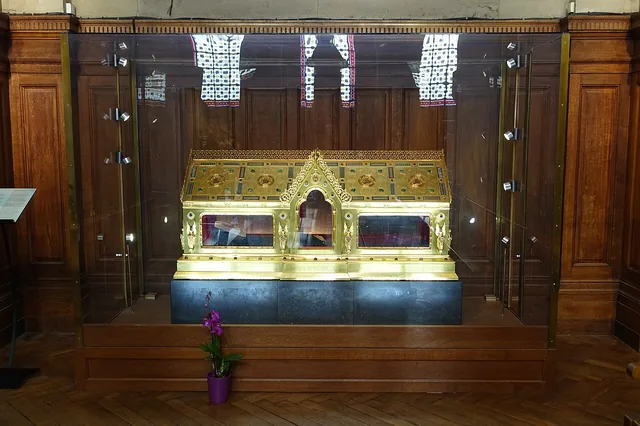
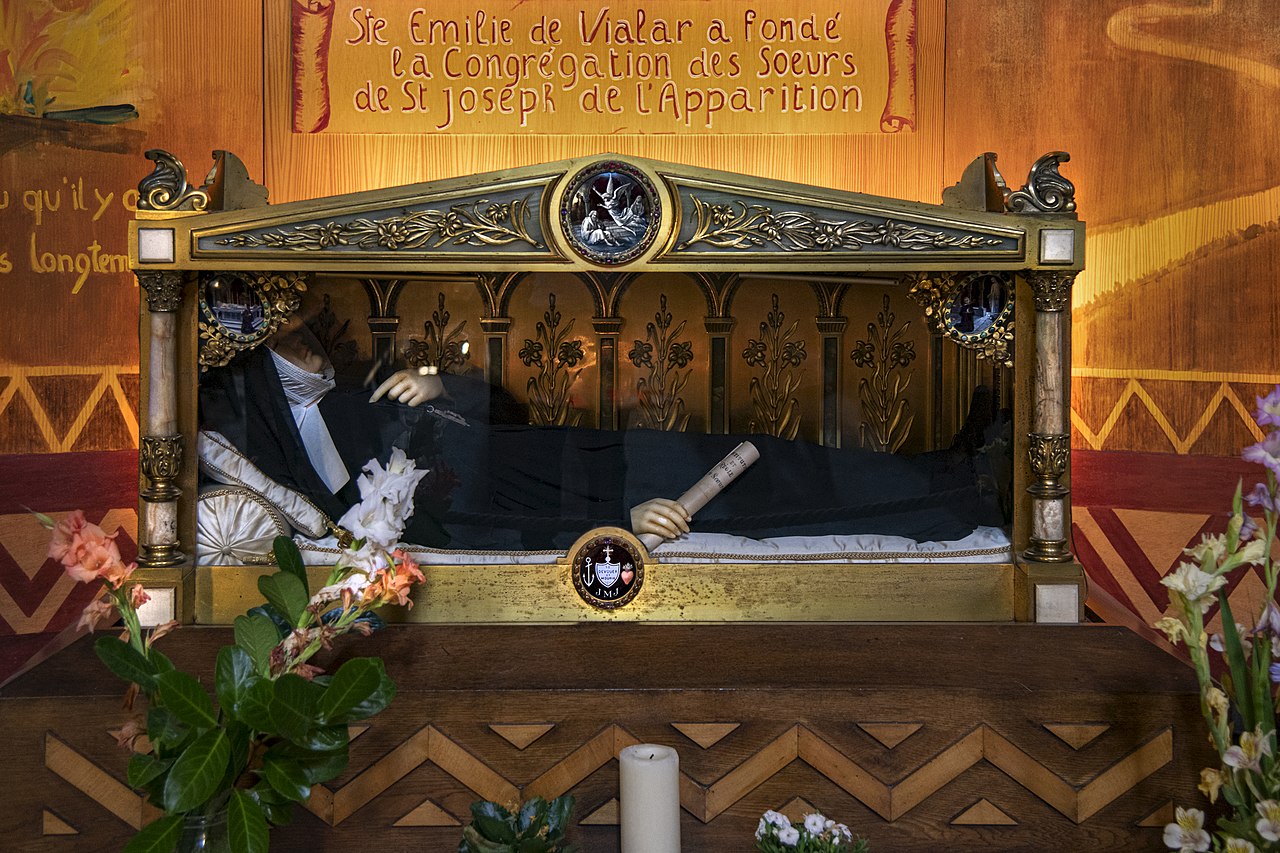
The Dicastery for the Causes of Saints records the transfer of Émilie’s body to Gaillac in 1972. That is a statement about custody and veneration, without a description of the tissues or conservation methods involved. [1]
A transfer is not an examination report
The 1972 transfer supplies a useful point in the history of the remains. The official account offers no anatomical inventory, findings from an exhumation or record of embalming and later treatment. It therefore cannot settle whether the remains underwent natural preservation. Her canonization and her body’s material condition answer different questions. [1]
READER QUESTIONS
Questions and answers
What did she establish?
The Sisters of Saint Joseph of the Apparition, founded at Gaillac in 1832 for charitable service and girls’ education, later working internationally. [1]
Why is her name associated with Saint Joseph?
The congregation takes Joseph’s response to the announcement of the Incarnation as a model for serving God’s love in human life. [4]
Has natural preservation been demonstrated?
The official biography records a transfer to Gaillac in 1972, without publishing physical findings or a treatment history. The preservation claim remains open. [1]
FOLLOW THE SOURCES
Sources and further reading
- Dicastery for the Causes of Saints — Émilie de Vialar
Church or shrine source
Founding, charitable and educational mission, forty-two houses, death and 1972 transfer. The header gives 24 June 1951; a conflicting short-biography date is resolved by the shared act in source 2.
- Pius XII — shared canonization formula reproduced with Maria Domenica Mazzarello
Primary historical record
Shared 1951 canonization formula names Émilie; no biographical or physical findings.
- Sisters of Saint Joseph of the Apparition — The Foundress
Church or shrine source
Institutional account of the Algerian foundation, Dupuch dispute, sacramental restrictions, expulsion and financial loss.
- Diocese of Albi — Saint Joseph de l’Apparition
Church or shrine source
Identifies the inherited resources and Gaillac house; explains the Joseph/Incarnation spirituality.
Sources checked: 2026-10-27. Suggest a correction or a source.