THE PERSON BEHIND THE ACCOUNT
Maria Mazzarello could no longer work the fields. She learned another way to serve.
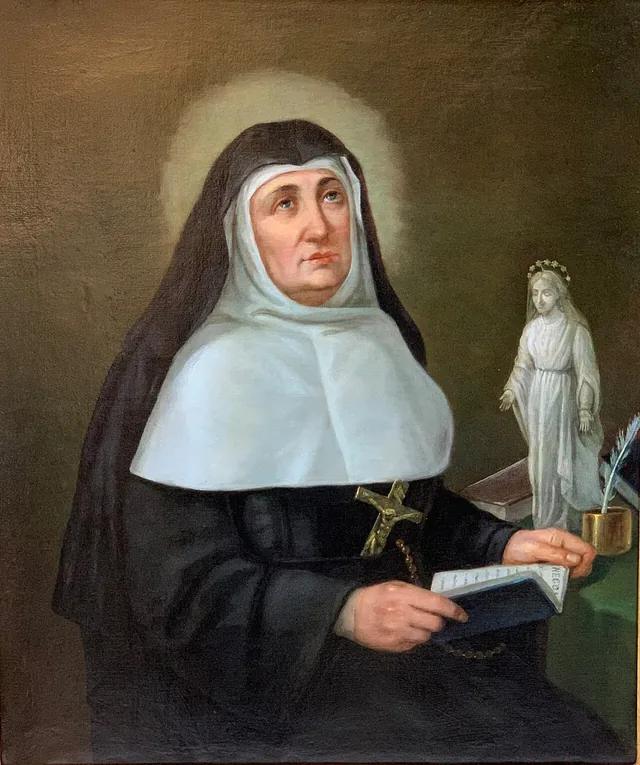
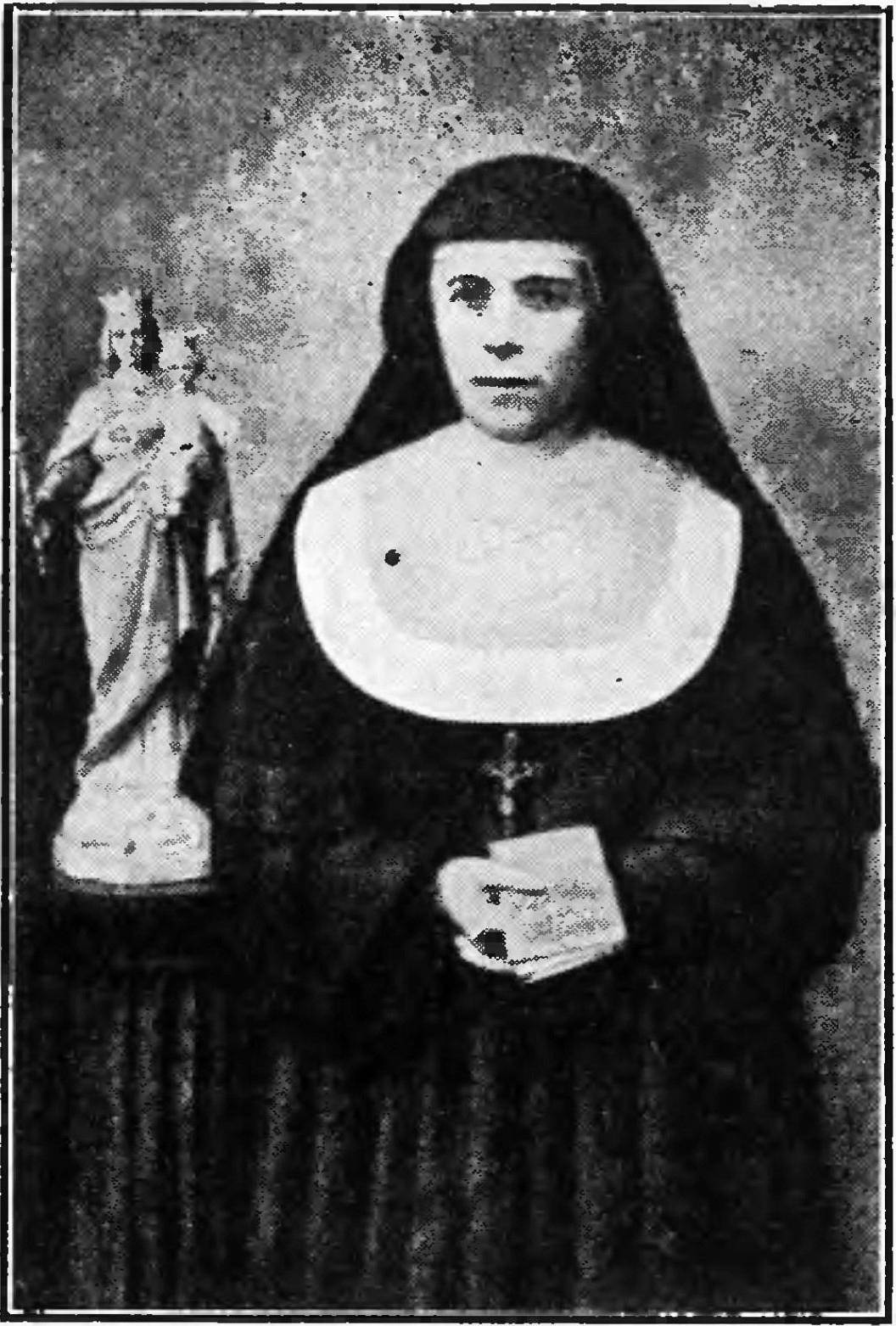
In 1860 Maria Domenica Mazzarello agreed to nurse sick relatives during a typhus outbreak in Mornese. She caught the disease herself. Recovery left her unable to return to the agricultural work she had known, and she began a sewing workshop with her friend Petronilla. [1] [2]
A strong worker from Mornese
Born in 1837 into a farming family, Maria worked with her father and developed the practical judgment the institute later associated with her leadership. She had little formal education. The account starts with strength, work and responsibility, before the illness that changed the kind of labor available to her. [2]
The work after typhus
Maria and Petronilla’s sewing workshop taught girls a useful skill. Work could take another form without requiring the strength she had lost. [1]
The institute’s biography says Maria accepted the nursing request while aware of infection risk. That gives the turning point a documented choice and a personal cost. Her later work should not turn that cost into a convenient plot device: the loss of strength was real, even though another vocation followed. [2]
The women were already working
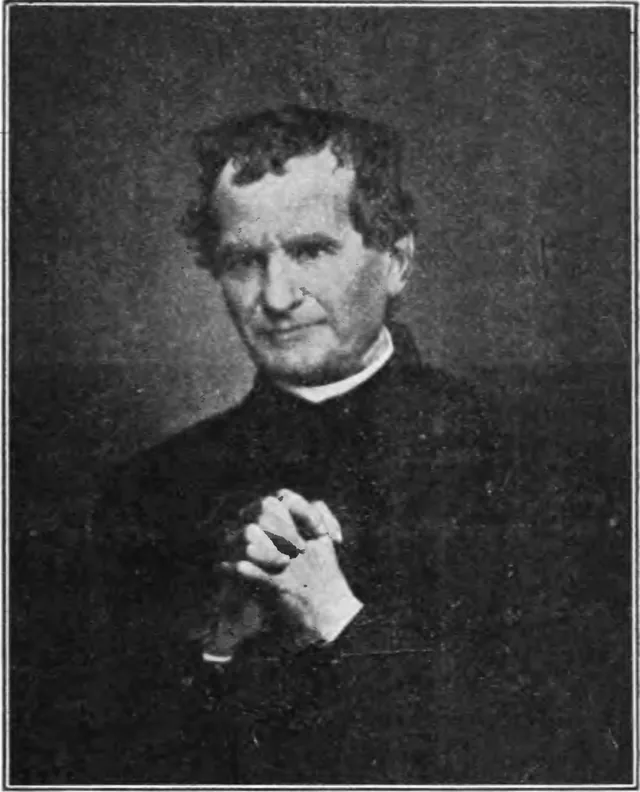
A community took shape before its formal foundation with John Bosco. In 1872 the women moved to the Mornese college made available to them and began the Institute of the Daughters of Mary Help of Christians through religious vows. Maria’s local initiative belongs within the story of that partnership. [1]
The official account records missionary departures for Argentina and Uruguay. Each later community’s history needs its own local sources. [1]
IN OUR OWN LIVES
A changed body did not end her capacity to contribute
After illness, an old measure of strength may no longer describe what a person can contribute. Learning another skill with a friend can create possibilities that recovery alone cannot. The cost borne by someone who cares for sick people also deserves attention in its own right.
THROUGH THE EYES OF FAITH
Faith and daily life
Her letters urged a holiness expressed in humility, affection and cheerfulness toward others. The congregation quotes her telling a sister to become one of those saints who is cheerful with everyone and full of charity. That is a practical standard for life in a crowded house or classroom. [3]
How to live together
A 2022 circular from the institute’s superior draws on Maria’s letters to describe ordinary holiness: fidelity, a welcoming atmosphere and honest human relationships. The letter to a sister about cheerful charity supplies a more distinctive picture than a general claim that the founder was kind. Her religious concern reached the way members spoke to and lived with one another. [3]
There is discipline in that teaching. Cheerfulness cannot substitute for care, but neither does a serious vocation require making a community miserable. Her correspondence, as presented by the institute, expects love of God to shape ordinary conduct and the atmosphere experienced by young people. [3]
The canonization named an educator
Pius XII canonized Maria with Émilie de Vialar on 24 June 1951. [1]
THROUGH THE LENS OF SCIENCE
The evidence about the remains
The Daughters of Mary Help of Christians record the transfer of her remains from Nizza Monferrato to Turin in 1936, before her beatification. The same account identifies a vertebra presented as a relic in 1938. These details describe transferred and distributed remains, rather than a single untouched body. [4]
Relics, healing claims and bodily condition
The institute’s anniversary history separately recounts healings accepted for her cause and the movement of her remains. Those are different categories of evidence. A miracle attributed to intercession is not an examination showing why a body has survived. The report of a vertebra used as a relic also makes it important to specify which material a particular account concerns. [4]
No detailed anatomical examination or treatment record accompanies the sources reviewed here. The documented transfer and relic history support a careful account of custody; they leave natural preservation unresolved. [4]
READER QUESTIONS
Questions and answers
Did she begin the girls’ work before meeting Don Bosco?
The workshop preceded the institute’s formal foundation with Bosco in 1872. [1]
What is distinctive in her teaching?
Her letters connect holiness with humble, cheerful charity toward others and the atmosphere of everyday community life. [3]
Do accepted healing miracles prove her body was preserved?
No. The congregation recounts the cause’s healing claims separately from transfers and relics. Neither is a published anatomical explanation of preservation. [4]
FOLLOW THE SOURCES
Sources and further reading
- Dicastery for the Causes of Saints — Maria Domenica Mazzarello
Church or shrine source
Illness, workshop, institute history, missions and 1951 shared canonization act.
- Daughters of Mary Help of Christians — Mary Domenica Mazzarello
Church or shrine source
Institute biography: farming strength, nursing choice and illness.
- Daughters of Mary Help of Christians — Circular 1019, 2022
Church or shrine source
Quotes Letter 26.10 and interprets ordinary holiness, welcome and relationships. Modern translation paraphrased, not extensively quoted.
- Daughters of Mary Help of Christians — 70th canonization anniversary
Church or shrine source
Records 1936 transfer, 1938 vertebra relic and accepted healing claims. No anatomical report.
Sources checked: 2026-10-27. Suggest a correction or a source.