THE PERSON BEHIND THE ACCOUNT
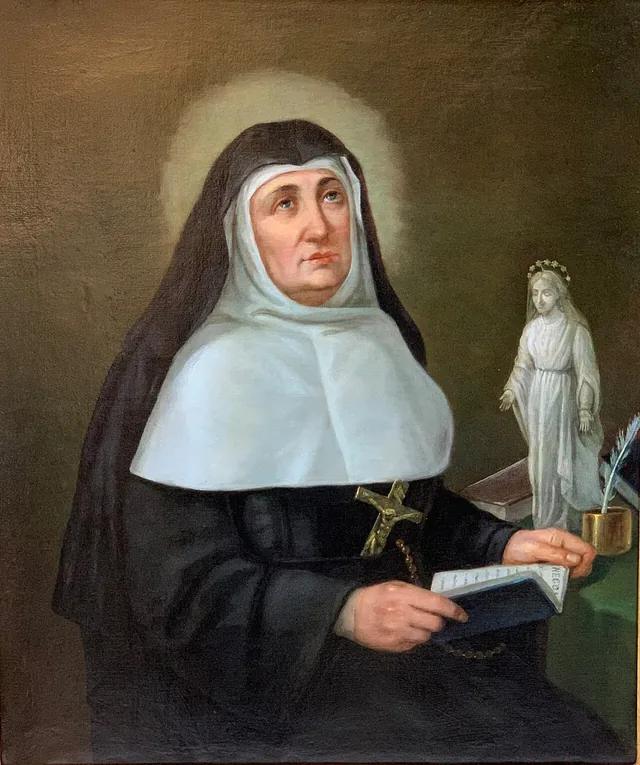
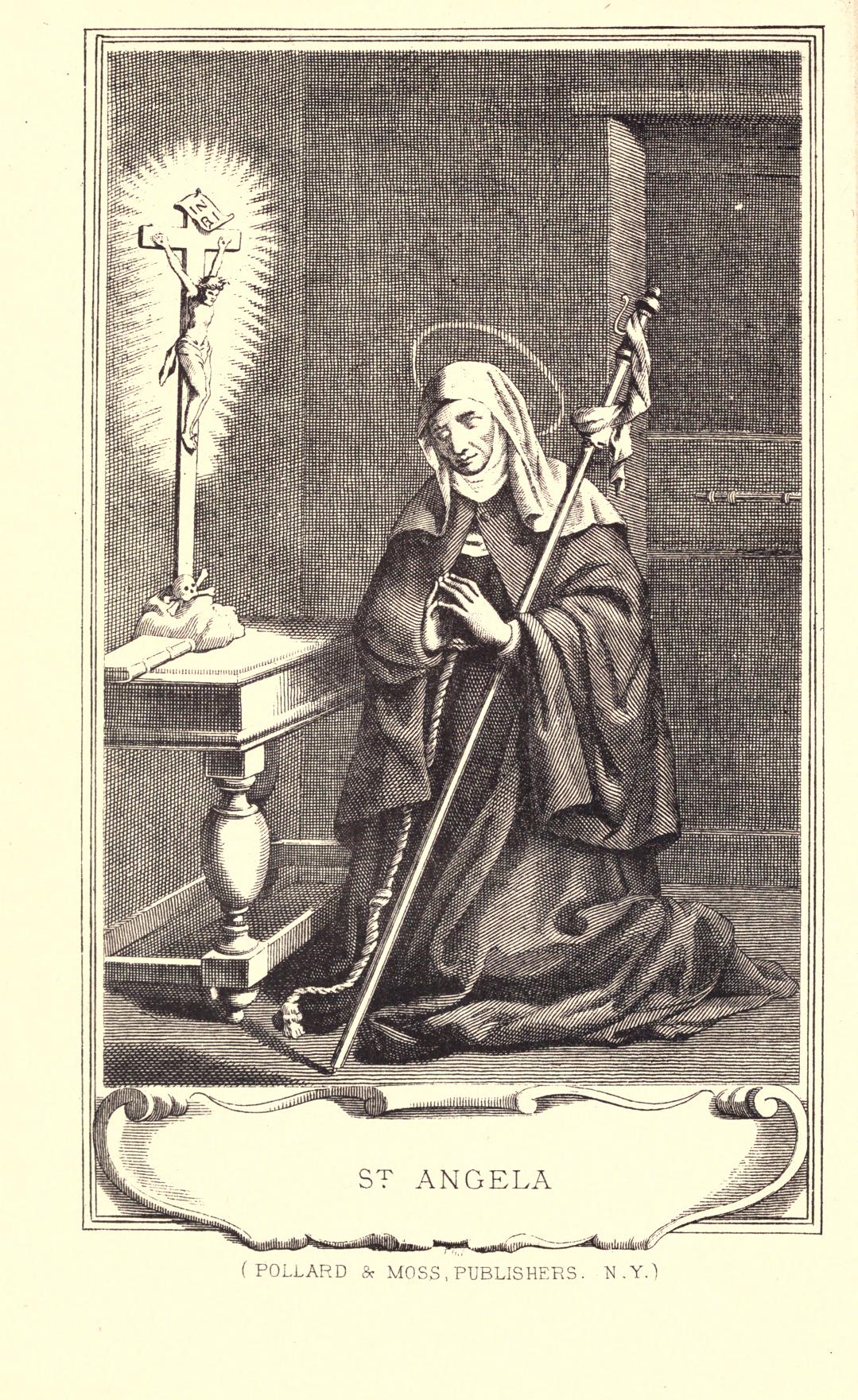
Angela Merici gave women a religious vocation they could live at home.
On 25 November 1535, Angela Merici founded the Company of Saint Ursula in Brescia. Its members could dedicate themselves to Christ while remaining in their own homes and continuing their work. The community opened a path different from entering a cloister. [3]
From Lake Garda to Brescia
Angela grew up near Desenzano and later lived in Salò after family bereavements. The Ursuline account places her Franciscan tertiary commitment within those early years and describes her return to the family home before she moved to Brescia. It presents a vocation developing over time. [4]
The official biography records work with a widow in Brescia in 1516 and an increasing commitment to charitable life among laypeople. That setting gives her later foundation a social context: women’s religious commitment already existed within homes and networks of care. [1]
The company was the innovation
The Roman Union’s history emphasizes lay and female government in the original Company. Consecration did not require members to leave their work or pool their lives within a monastery. That structure expressed confidence in women’s judgment and capacity to govern themselves. [3]
Later Ursulines came to live in communities, and teaching became a major expression of their mission. Those developments belong to the history after Angela. Her original Company should not be collapsed into the later image of a convent school, even though her teaching shaped the people who built those schools. [3]
IN OUR OWN LIVES
Remember the person in front of you
Knowing someone’s name is a beginning. Authority also requires remembering her circumstances and letting those affect a decision. A leader’s confidence is more useful when it leaves room for another person’s freedom.
THROUGH THE EYES OF FAITH
Faith and daily life
Angela’s instructions to leaders insist on knowing each woman individually—her circumstances, disposition and needs. She warns against trying to obtain something by force, grounding that warning in the freedom God has given each person. Her theology reaches into the ordinary exercise of authority. [2]
She dictated what leaders should remember
Angela dictated a Rule, Counsels and Testament to Gabriele Cozzano. The Merician studies center explains that the surviving texts come through copies and editions; the original manuscripts are lost. We can still read substantive instructions while being precise about how they have reached us. [5]
The Testament’s advice is personal and concrete: leaders should hold each member in mind, including her condition and character, and guide with gentleness. It allows correction in appropriate circumstances, while requiring that it arise from charity. Freedom is not a decorative ideal added after governance; it constrains the way governance is exercised. [2]
An institution allowed to change
The Roman Union quotes Angela’s Last Legacy on prudent adaptation: when circumstances require something new, leaders should seek advice and make changes while returning together to prayer. That instruction leaves room for judgment rather than treating every inherited practice as untouchable. [6]
Her religious aim remained an intimate relationship with Christ. The originality of the Company concerned how women could live that commitment in their actual circumstances. Its members’ daily work and relationships were part of the vocation’s setting. [3] [6]
THROUGH THE LENS OF SCIENCE
The evidence about the remains
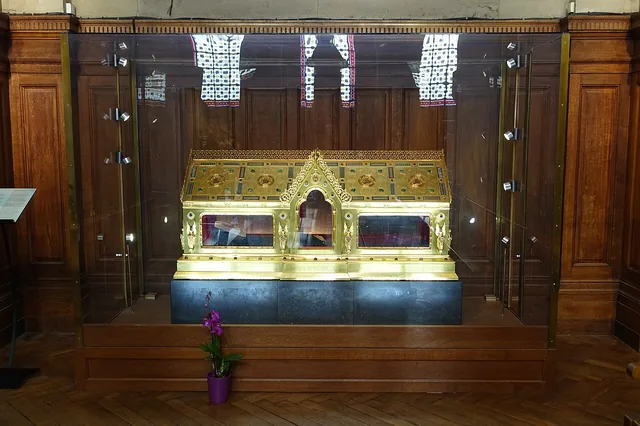
The Diocese of Brescia locates Angela’s venerated body in her sanctuary. Its liturgical account contains no anatomical inventory or conservation history. The location is documented; natural preservation cannot be assessed from that description alone. [2]
Saint Angela in Brescia
Angela died in 1540 and was canonized in 1807. The diocesan account also records her local patronage and the sanctuary where her body is venerated. These are facts about recognition and religious custody. They do not describe which tissues survive or how the remains have been treated. [2]
A careful visitor can appreciate the shrine while keeping its material claim open. The body’s location, the authenticity of particular relics and an explanation of preservation require different kinds of documentation; the short liturgical record answers the first of those. [2]
READER QUESTIONS
Questions and answers
Did the first members live in a convent?
They remained at home and continued their work. Later Ursuline institutions developed other forms. [3]
What did Angela teach about authority?
Individual attention and gentle guidance, with correction governed by charity and respect for freedom. [2]
Is the sanctuary a scientific account of her body?
No. The diocesan text locates the venerated body but gives no anatomical or conservation findings. [2]
FOLLOW THE SOURCES
Sources and further reading
- Dicastery for the Causes of Saints — Angela Merici
Church or shrine source
Early vocation, 1516 Brescia work and Catholic context.
- Diocese of Brescia — Angela Merici and Testament reading
Church or shrine source
Biographical/liturgical summary and primary Testament extract on care, gentleness and freedom. Also locates venerated body without anatomical details.
- Ursulines of the Roman Union — History
Church or shrine source
Original Company, home/work life, female government and later institutional developments.
- Ursulines of the Roman Union — Our Foundress
Church or shrine source
Early settings, family bereavements and gradual development of the vocation.
- International Merician Studies Center — Writings
Church or shrine source
Dictation to Cozzano and textual transmission through copies/editions.
- Ursulines of the Roman Union — Identity and Last Legacy
Church or shrine source
Christ-centered spirituality and quoted Last Legacy permitting prudent adaptation.
Sources checked: 2026-10-27. Suggest a correction or a source.