THE PERSON BEHIND THE ACCOUNT
A seamstress who made room for prayer and other people
When her father died in 1852, nineteen-year-old Narcisa de Jesús left Nobol for Guayaquil. She supported herself through tailoring. The move began a long adult life of paid work, changing lodgings, religious friendship and care for people who were poor or ill. Her later fame as an incorruptible can hide the working woman at the centre of that story. [1]
Skills learned at home
Narcisa was born in coastal Ecuador in 1832, the sixth of nine children. After her mother’s early death, an older sister and a teacher helped her learn reading, music and domestic skills. Sewing became the skill that supported her independence. She also taught catechism to neighbourhood children. [1]
The shrine museum preserves a spiritual book associated with her reading: a Barcelona edition from 1834 of a work by the Jesuit Alfonso Rodríguez. It is a useful reminder that her religious life involved learning as well as emotion. The museum’s objects connect the famous figure with the habits of a reader and a person seeking guidance. [5]
Work, lodgings and friendship
In Guayaquil she lived near the cathedral, moved between households and earned money by tailoring. The shrine biography describes her desire for privacy and time for prayer. It also records help for poor and sick people and friendship with Mercedes de Jesús Molina, with whom she sometimes shared a home. [6]
The shrine’s guide adds that Narcisa helped in Mercedes’s work with orphaned girls, teaching practical skills and prayer. This was useful knowledge that could be passed on: sewing, cooking and music, alongside catechesis. The guide is devotional rather than a surviving classroom register, so these details belong to the received local biography. [3]
A laywoman in a convent
In 1868, following religious advice, she moved to Lima and lived at the Dominican establishment of Patrocinio. Residence there did not make her a professed nun. The shrine museum explains that the Dominican habit used for her burial expressed the sisters’ affection for her; clothing alone is therefore a poor guide to her formal vocation. [6][5]
That distinction is one reason her life matters within Catholic history. A person could seek a disciplined spiritual life while continuing to be a laywoman. Benedict’s canonization homily presents the Eucharist, confession and the counsel of spiritual directors as central to the way she pursued that vocation. [4]
IN OUR OWN LIVES
A life recognizable beyond the shrine
Her story has a practical point of entry: a young woman moving to a city, earning a living with a learned skill and building friendships that supported her chosen life. Readers interested in Catholic lay vocation can begin there. The shrine’s physical details deserve candour, and the work and relationships deserve at least as much attention. [1][3][4]
THROUGH THE EYES OF FAITH
Faith and daily life
At her canonization in 2008, Benedict XVI singled out her lay vocation, spiritual direction and practice of the sacraments. Her demanding commitment to prayer did not require entering a religious order. [4]
An exacting devotion to Christ
Her private commitments included poverty, chastity, prayer and severe fasting and mortification. The Vatican biography presents them as an effort to unite herself to the suffering Christ. These practices should be described without turning bodily harm into a general measure of holiness. Their severity belongs to the historical record; reproducing them is not the purpose of this profile. [1]
The museum displays instruments associated with those penances, but it also displays her reading and the habit placed on her after death. Looking at these objects together keeps her devotion from becoming a spectacle of pain. Her remembered life included learning, friendship, worship and practical assistance as well as asceticism. [5]
THROUGH THE LENS OF SCIENCE
The evidence about the remains
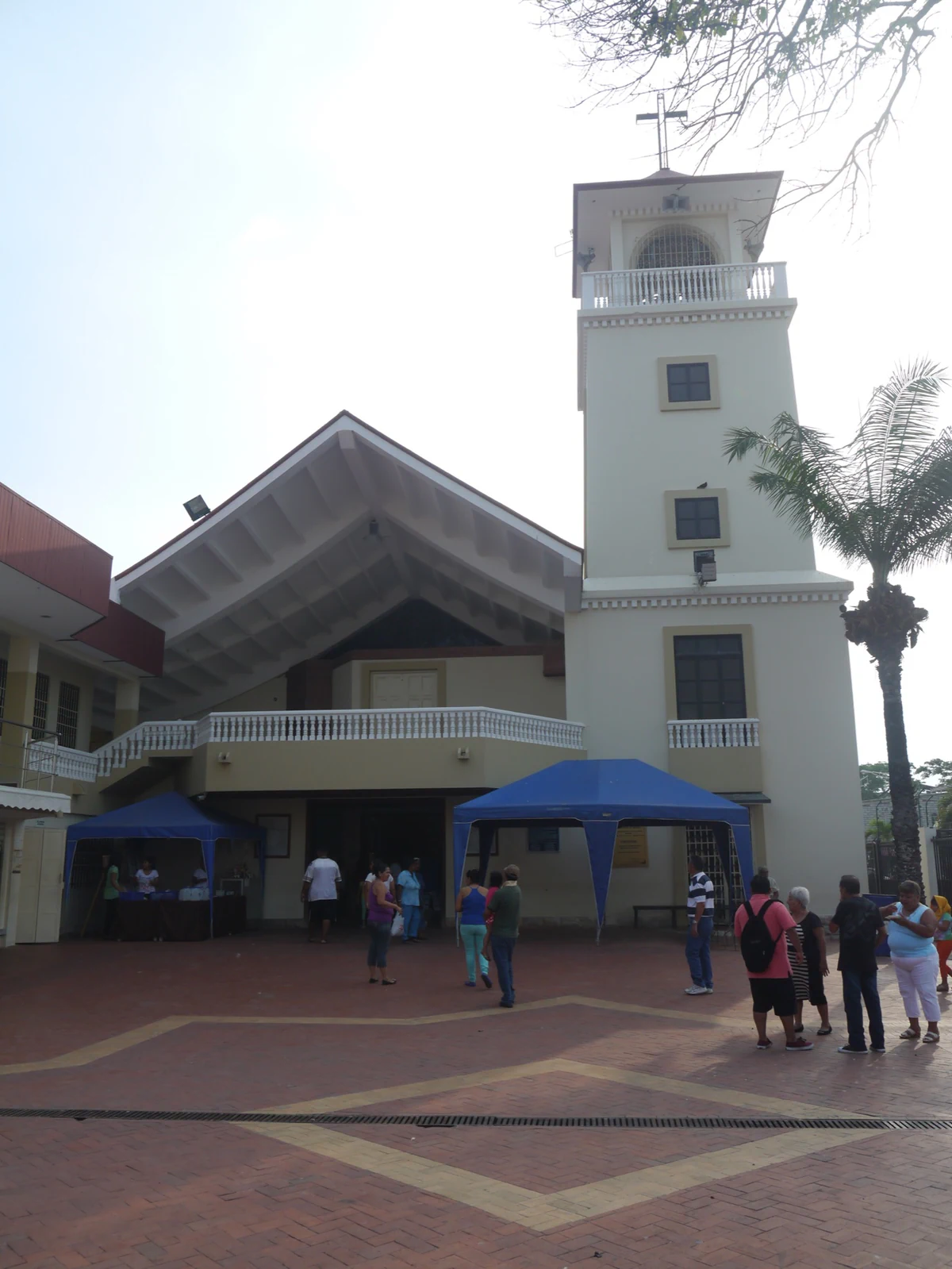
The Nobol shrine describes natural desiccation of her remains. Its own guide also identifies a ceramic facial mask, added in 1955 after humidity had begun to cause deterioration. [2][3]
What visitors see in Nobol
The shrine’s altar page describes the body as preserved through natural drying. Its theological interpretation connects that presence with the call to love God and neighbour. The physical description and the religious meaning are separate statements: one concerns condition, the other what pilgrims understand the remains to signify. [2]
A more specific detail appears in question 94 of the shrine’s guide. It says Archbishop César Mosquera Corral ordered a ceramic mask in 1955 to protect a face already affected by climate and humidity. Visitors are therefore seeing a covered facial surface. The guide supplies no laboratory methods, tissue inventory or complete conservation record, so the present condition beneath that covering cannot be inferred from appearance. [3]
The museum preserves three earlier urns, linking the periods in Lima, Guayaquil and Nobol. Those objects document changing settings of veneration. They do not turn a photograph of the current display into evidence that every visible feature is exposed, untreated tissue. [5]
READER QUESTIONS
Questions and answers
Was Narcisa a Dominican nun?
She lived at Patrocinio as a laywoman. The Dominican habit placed on her after death reflected the community’s affection, according to the shrine museum. [1][5]
Is the face visible in the urn uncovered tissue?
The shrine’s own guide says a ceramic facial mask was added in 1955. Its presence should be disclosed whenever the display is described or photographed. [3]
FOLLOW THE SOURCES
Sources and further reading
- Holy See: canonization biography, 2008
Church or shrine source
Supports family, education, tailoring, migration, friendships, lay residence and ascetic commitments. Received cause biography; not a full medical record.
- National shrine: Urn and altar
Custodian’s account
Uses natural-desiccation wording and describes the altar display and devotional interpretation; no analytical methods published.
- National shrine: 100 Questions and Answers
Custodian’s account
Devotional guide supports teaching with Mercedes and, p.47 question 94, the ceramic facial mask placed in 1955 because humidity had begun deterioration. Not a conservation report.
- Benedict XVI: canonization homily, 12 October 2008
Church or shrine source
Supports canonization and papal interpretation of lay vocation, sacraments and spiritual direction.
- National shrine: museum
Custodian’s account
Identifies spiritual book, burial habit, penance objects and former urns; museum descriptions do not establish object provenance by themselves.
- National shrine: biography
Custodian’s account
Distinct biographical chronology supports sewing in Guayaquil, spiritual directors and 1868 move to Patrocinio. Its father-death chronology conflicts with Vatican biography; that conflicting date is not adopted.
Sources checked: 2026-10-27. Suggest a correction or a source.