THE PERSON BEHIND THE ACCOUNT
The garden was also a place of work
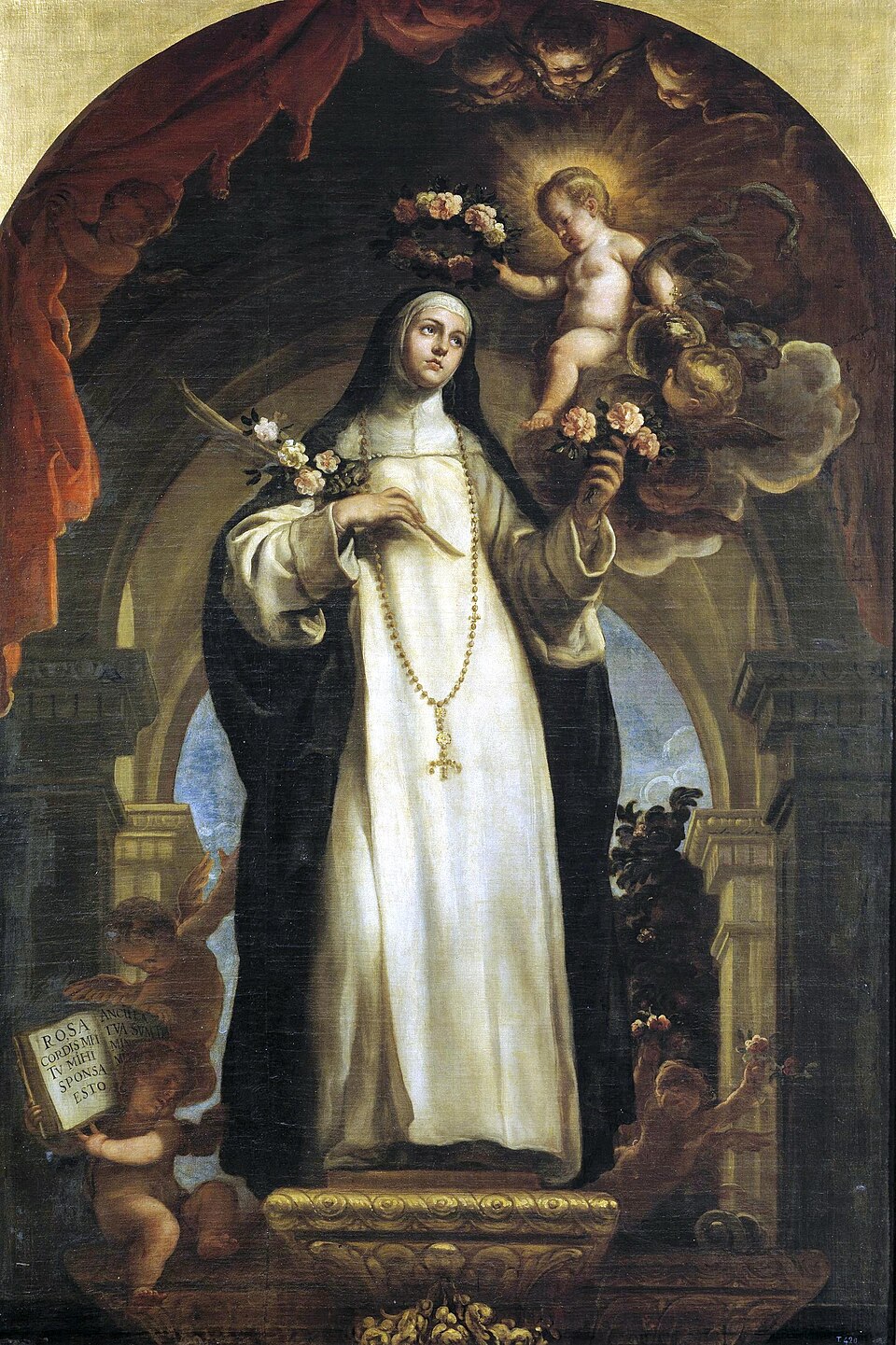
Rose of Lima earned money through embroidery and gardening when her family’s finances declined. Her home also became a place of care for vulnerable people. Those tasks give substance to the familiar image of a young woman praying in a garden: work and the needs of other people occupied the same small setting. [1]
Choosing a life at home
Born Isabel Flores de Oliva in Lima in 1586, Rose helped her family through domestic work, embroidery and gardening when their finances declined. Her life unfolded within an unequal colonial society. [1]
The Dominican account describes a tension between attraction to contemplation and obligations within the family. Entry into the lay branch gave those commitments a religious form. Her small place of prayer in the garden did not require her to abandon the household that depended on her. [2]
A home opened to people in need
The official biography describes a refuge in her mother’s home for children and older people, especially Indigenous people who had been abandoned. The account is about acts of care within an unequal colonial order. It should not be inflated into a claim that one household repaired the injustices of that society. [1]
Dominican sisters in Tucumán draw on testimony attributed to Pedro de Loayza, a priest close to her, to emphasize the care with which she served sick people. Their reading places that work beside her prayer and friendships. It offers a fuller picture than a list of private austerities. [3]
Needlework, teaching and attention
The Dominican profile also remembers teaching children, including music, and work in the garden and at sewing. These were skills with a use beyond personal devotion. They could contribute to a household or be passed to someone else. The religious life described here had a material economy and practical demands. [2]
Time, money and care offer useful questions for reading a devotional biography: who needs someone’s work, which tasks can be shared and where does prayer fit among obligations? Asking them keeps daily life in view.
IN OUR OWN LIVES
Care within an ordinary household
Rose’s life is relevant to people who combine paid or household work with care for others. She made a place for prayer without making another person’s needs disappear from the story. Reading her in that way gives the biography a human scale, while keeping colonial inequalities and the limits of the evidence visible. [1][2][3]
THROUGH THE EYES OF FAITH
Faith and daily life
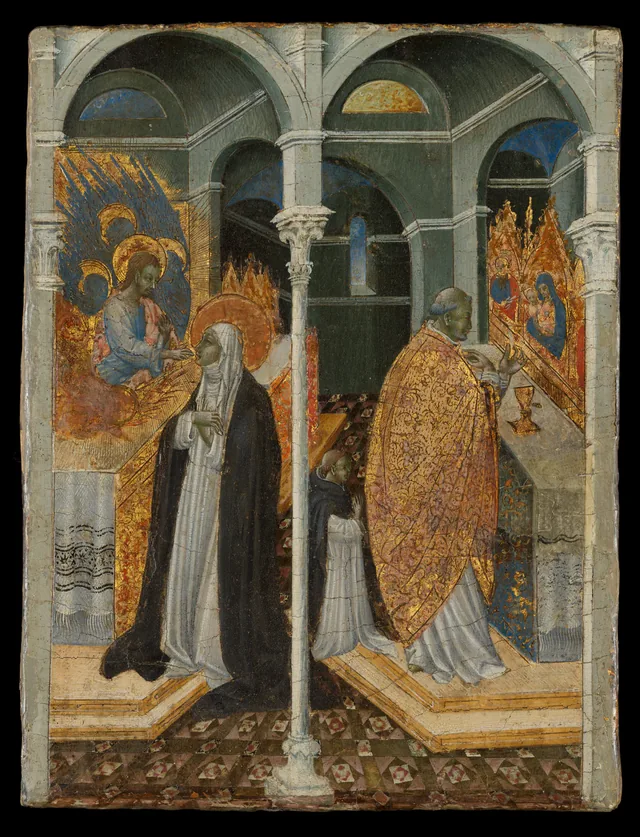
She joined the Dominican lay movement in 1606 and took Catherine of Siena as a model. Remaining outside an enclosed convent allowed her to pursue prayer while continuing responsibilities at home. That was a definite form of Catholic vocation, not simply a postponed plan to become a nun. [2]
Reading her severe penances responsibly
Rose understood her devotion through Christ’s Passion and sought a close union with him through prayer and penance. The cause biography connects that outlook with her reading of Catherine of Siena. Later devotional descriptions of bodily austerities need to be read in that historical setting. [1]
The Dominican sisters’ reflection explains that using bodily suffering as a route towards identification with the crucified Christ formed part of colonial Lima’s religious culture. Such an explanation is not a recommendation to repeat harmful practices. A reader can understand the theology while taking the work of mercy and care seriously in its own right. [3]
THROUGH THE LENS OF SCIENCE
The evidence about the remains
The prior of her Lima shrine identifies a skull and shoulder-blade relics in separate locations at Santo Domingo. The present evidence therefore concerns particular relics; it does not show an intact, naturally preserved whole body. [4]
Relics in Santo Domingo
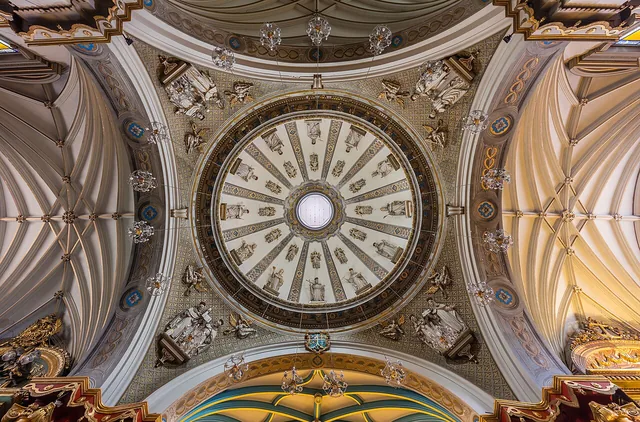
In a 2024 interview with Peru’s state news agency, shrine prior Luis Enrique Ramírez Camacho identified the skull at the basilica and shoulder-blade relics in the convent museum. This is a named custodian’s account of distinct remains. It is more precise than referring vaguely to a body on display. [4]
The custodian’s interview supplies no complete inventory, identity testing or treatment history. Particular relics support no intact-body claim. Rose’s 1671 canonization is Catholic recognition of her life, rather than an anatomical finding. [1][4]
READER QUESTIONS
Questions and answers
Was Rose an enclosed Dominican nun?
She followed the Dominican lay vocation and lived largely within her family setting. The garden retreat belonged to that life. [2]
Is an intact body preserved at the basilica?
The custodian account identifies particular relics, including the skull and shoulder blades. It does not establish an intact naturally preserved body. [4]
FOLLOW THE SOURCES
Sources and further reading
- Dicastery for the Causes of Saints: Rose of Lima
Church or shrine source
Supports labour, household refuge, Passion spirituality and canonization. Received biography; its mystical claims are not medical findings.
- Dominican Province of Hispania: Rose of Lima
Religious order’s account
Supports lay entry in 1606, family/contemplation tension, music teaching, garden and work. Devotional biography, not a complete social history.
- Dominican Sisters of Tucumán: Rose of Lima
Religious community’s account
Uses Loayza testimony on care and explains asceticism in colonial culture. Its incorrect age-at-death is not adopted.
- Agencia Andina: interview with shrine prior, 2024
Interview with a custodian
Prior Luis Enrique Ramírez Camacho identifies skull in basilica and shoulder-blade relics in museum. Primary custodial testimony mediated by state news agency, no laboratory report.
Sources checked: 2026-10-27. Suggest a correction or a source.