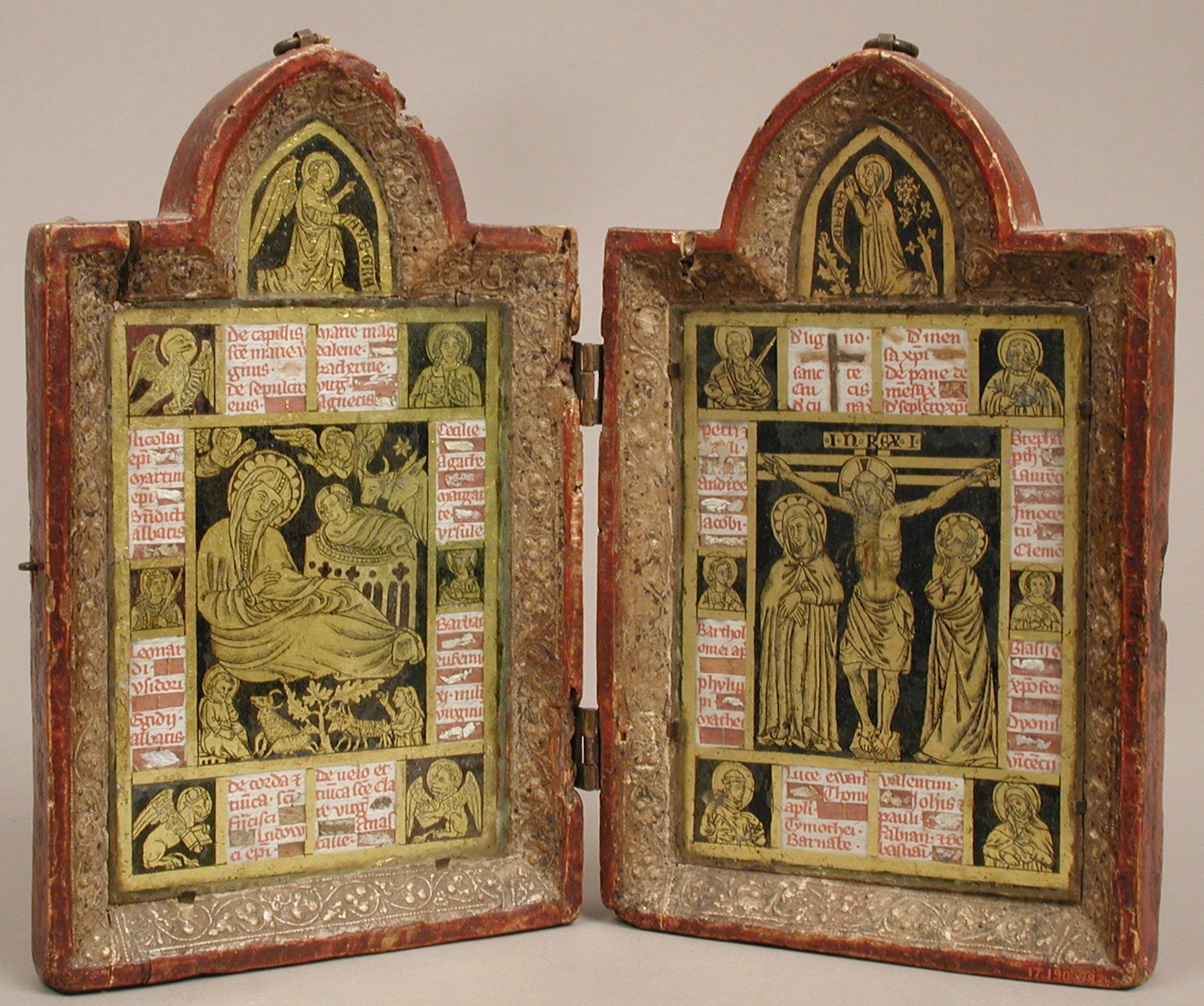
The red writing is almost as arresting as the painted saints. In a small, late-fourteenth-century Italian diptych now at The Metropolitan Museum of Art, parchment labels identify tiny relics arranged around sacred images. The labels gave the person opening those wooden panels a name to associate with each fragment. Centuries later, the names remain part of the object’s history. [1]
Across Italy, a new national project is asking what survives behind such names. Reliquiae Sanctorum brings together the Italian Episcopal Conference’s cultural-heritage office and the Pontifical Gregorian University. At a November 18, 2026 meeting in Rome, its organizers presented the first results of their 2025–2026 census, alongside work on guidelines for conserving and displaying relics. [2] [3]
Ninety-one replies
According to Vatican News’s November 20 report, 91 of the 226 dioceses involved had responded. The investigation concerns significant relics of saints and blesseds, together with the historically distinct remains known as corpisanti. The return count describes participating dioceses, not a total of authenticated relics. [4]
A diocese can hold many objects, and an unanswered questionnaire cannot be treated as an empty collection. Nor can the replies automatically stand for the whole country. In any survey, a difference between those who respond and those who do not can skew the picture; the response rate alone cannot measure the size of that distortion. [5]
Agata Lunardini, director of the Mummy Museum in Borgo Cerreto, reported roughly twenty or thirty additional mummified bodies absent from the scientific literature known to the team. These emerged through reports to the project. The public account gives neither a case-by-case inventory nor examination results establishing why each body survived. [4]
A body can be familiar to the people who care for it and still be missing from a researcher’s published sources. Bringing it into a national inventory creates the possibility of comparison with other remains. It also introduces a new task: deciding which observations belong together, and which apparent similarities conceal different histories. A list becomes useful when its categories are consistent enough for another investigator to work with.
What belongs in the count?
The Church’s vocabulary is more precise than the everyday use of “relic.” Its 2017 instruction treats a saint’s or blessed’s whole body, notable bodily parts, or the total ashes from cremation as significant relics. Small bodily fragments and objects that touched the person fall into a different category. These terms tell a custodian which kind of material is being cared for. [6]
Corpisanti have a particular history. A Gregorian University description traces these relics to the Roman catacombs and their distribution from the late sixteenth century onward. That history of movement is part of what needs reconstructing. For some of the remains now being surveyed, Vatican News reports, identification as martyrs depends more on devotional tradition than secure historical documentation. [7] [4]
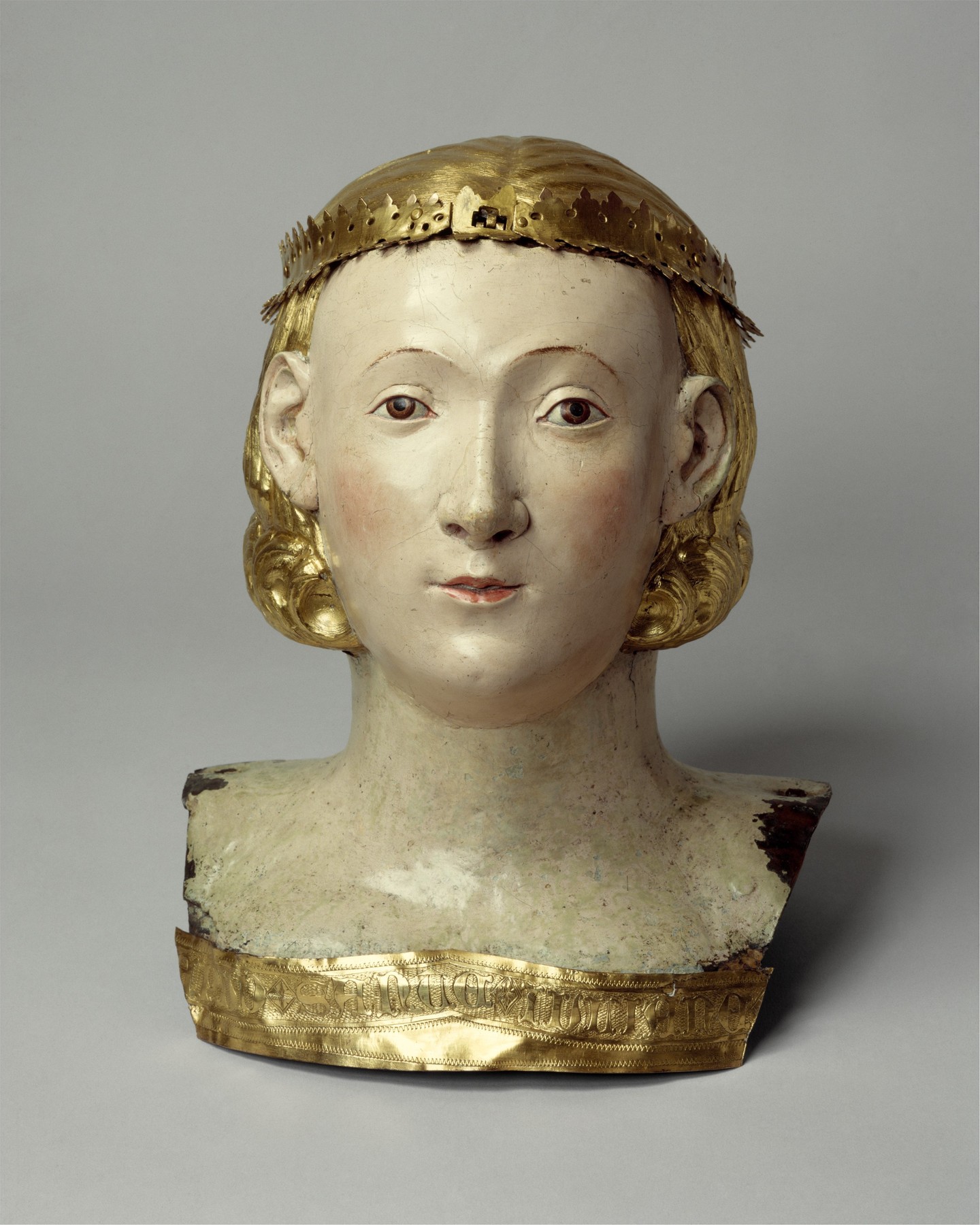
Even a beautifully specific name can leave several questions open. The Met’s painted bust of Saint Juliana, made around 1376, bears an inscription identifying her head. The museum recounts the medieval procession that brought the attributed skull to a Perugian convent. That is evidence about the object’s history and religious use. The painted face, the inscription and the human remains associated with it are different things to investigate. [8]
From an inventory to research
Lunardini describes the scientific aim as building biological profiles: age at death, health, diet and geographical origins. [4]
The project’s publications also need to be dated carefully. A book announced by the Gregorian on November 13 collects contributions from the project’s November 2025 presentation. The November 18 gathering addressed the subsequent census and draft guidance. A newly published volume and newly reported survey results can therefore belong to different stages of the work. The available announcements do not provide a finished national catalogue. [9] [3]
The people remembered
Catholic devotion gives these investigations a human setting. The 2017 instruction connects the care of relics with the belief that the body participates in the person’s holiness and is destined for resurrection. The Catechism places relic veneration among forms of popular piety that should lead towards the Church’s liturgical life, with pastoral discernment. A visitor who does not share that faith can still understand why a community cares about the person named on a container. [6] [10]
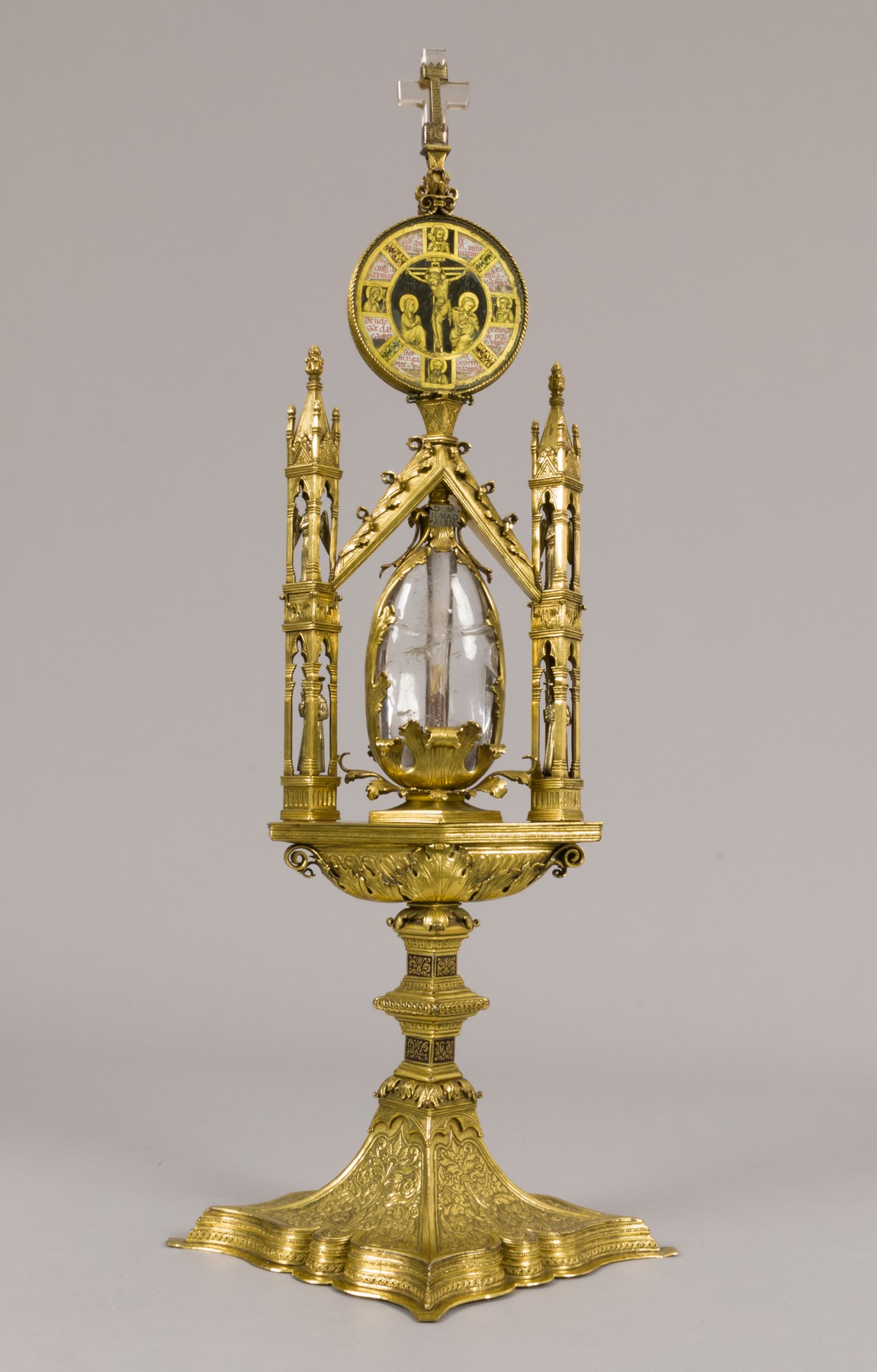
The museum’s Reliquary of Mary Magdalene offers a useful example of careful language. Its crystal chamber holds a tooth said to be hers. Naming the tradition allows the object’s devotional history to be told while leaving the individual attribution open. The dates assigned to its metalwork and glass do not date the life of the person whose tooth it contains. [11]
A future case list could make the preliminary finding usable: where each body is kept, what its present condition is, and which observations have actually been made. A body’s long history in a church and its first appearance in a scientific publication could then become parts of the same documented account.