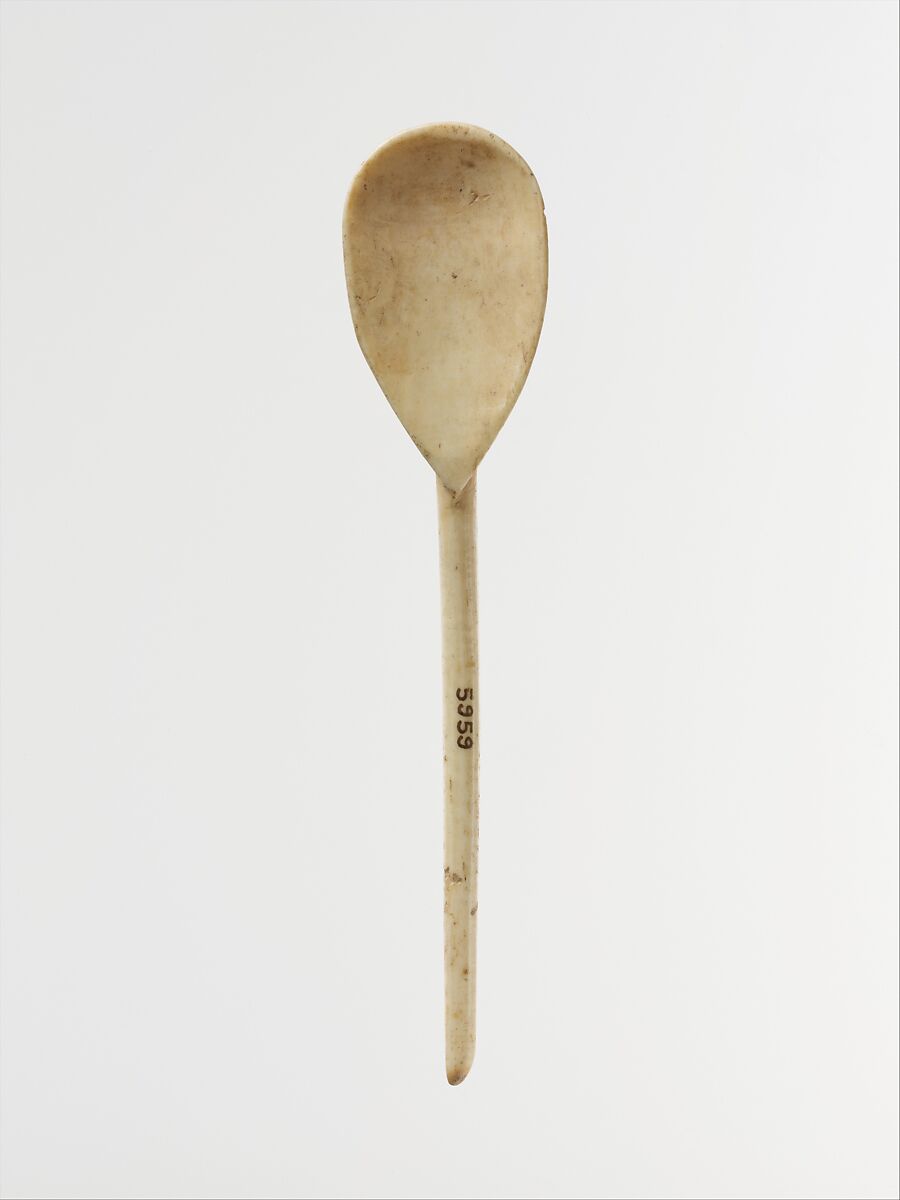
The researchers lowered only the handle of a Neolithic bone spoon from Serbia into water. After purification, they recovered 3.88 milligrams of collagen. The spoon remained whole. This experiment appears in a study by Tom Higham and colleagues, published January 30, 2026. [1]
For anyone responsible for an old bone, the practical attraction is easy to see. A drill can supply material for a laboratory, but it leaves a hole. With a worked object, choosing where to sample also means choosing which part of someone’s craftsmanship to sacrifice. With a relic, the person making that decision has a further responsibility to a community that venerates the remains. [3] [7]
The carbon a laboratory needs
Radiocarbon dating follows carbon that once belonged to a living organism. Plants take carbon from the atmosphere; animals acquire it through food. After death, radioactive carbon-14 continues to decay without being replenished by life. Measuring its proportion relative to stable carbon provides a clock. A bone generally reflects carbon incorporated during the last years of the animal’s life. It cannot directly tell us when someone carved that bone into a spoon or placed it in a reliquary. [2]
In routine bone preparation, a technician may drill out powder, dissolve the mineral component with acid and isolate collagen, the bone’s structural protein. Further chemical treatment and filtering remove unwanted material. The purified extract is eventually burned, and its carbon is prepared for measurement. The shape of the original object supplies no shortcut: the instrument needs actual carbon from it. [3]
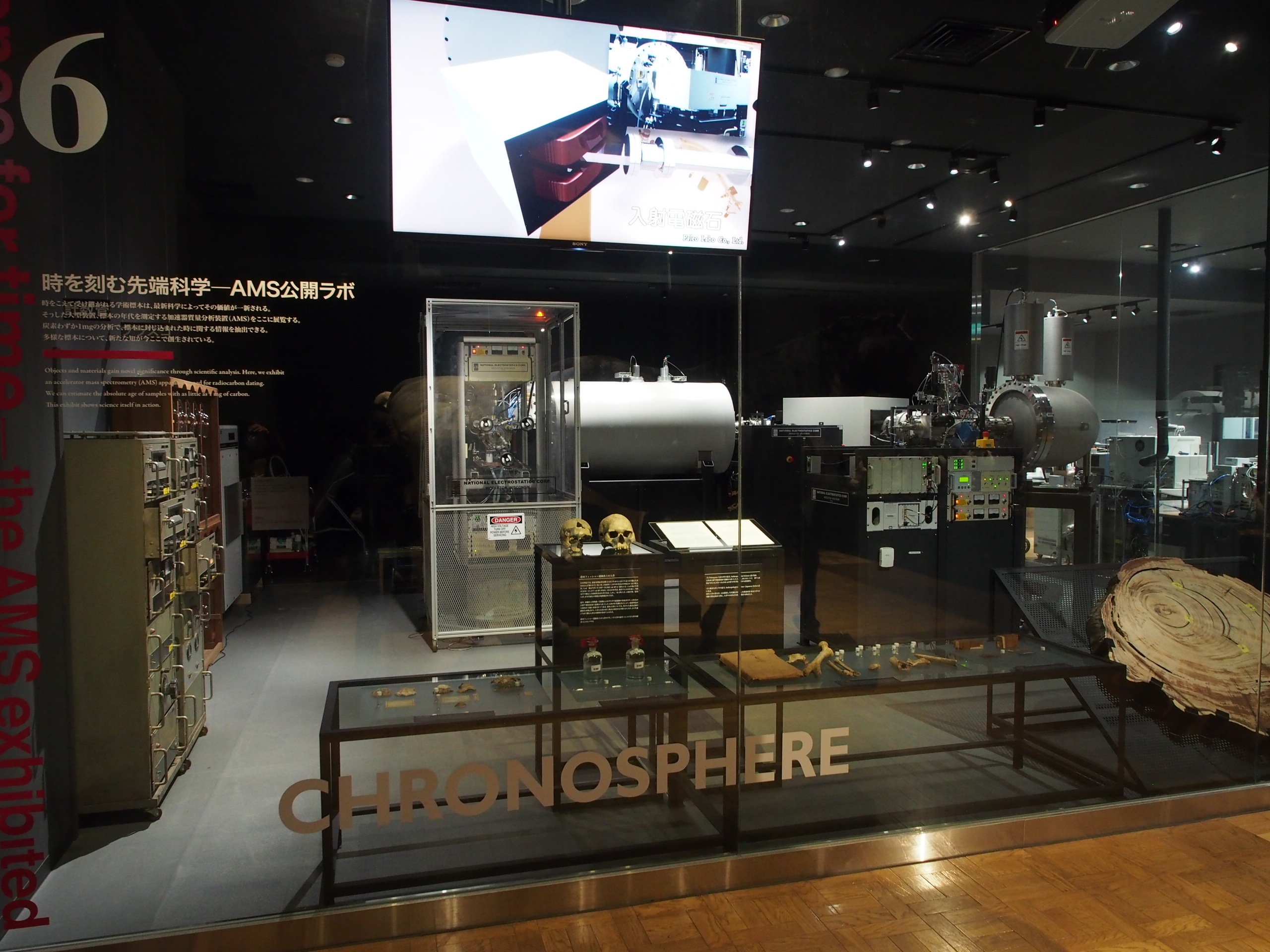
Accelerator mass spectrometry, usually shortened to AMS, makes very small samples useful by counting carbon-14 atoms instead of waiting for them to decay. The apparatus converts material into charged particles and separates them with electric and magnetic fields. That sensitivity helps conserve objects, but it also makes preparation crucial. A tiny sample containing carbon from soil or a later conservation treatment can give a very precise answer to the wrong question. [3] [2]

Hot water, then purification
Higham’s group at the University of Vienna is changing how the collagen reaches the instrument. Its approach uses water heated to 90°C for several hours to release a soluble portion from bone or teeth, then purifies that extract for dating. The laboratory describes the aim as preserving valuable objects without visible alteration. The advance lies in getting a usable sample while leaving the object’s form available to historians, conservators and later visitors. [4] [5]
Minimally destructive means that some material is still removed. A conservator also has to ask whether treatment changes something a future investigator might need. An intact outline cannot answer every question about what remains inside. [1]
One bone from the Bronze Age site of Zaragizh yielded 4,906 ± 59 radiocarbon years BP after hot-water extraction and ultrafiltration, a fine filtering step, compared with 4,928 ± 34 by the routine method: compatible results. Success was uneven. Three of five Denisova specimens yielded too little soluble collagen for further analysis; anomalous reference-standard measurements complicated the other two. Effects on ancient-DNA preservation need further testing, and the studied bones lacked conservation glues or consolidants. [1]
Those measurements use the radiocarbon timescale, with BP counting years before 1950. Converting them into calendar dates requires calibration against evidence of known age, because atmospheric carbon-14 has varied. Contamination presents a separate problem: carbon added long after an organism died can shift the measurement. Conservators therefore need to pass on the object’s treatment history, not simply its catalogue name and supposed age. [8] [2]
A curator could accept a small loss of material if a date would resolve an important historical dispute. The same sacrifice would be harder to justify if the available collagen was unlikely to yield a reliable result. The decision starts with the question being asked and the condition of the object.
The decision inside a reliquary
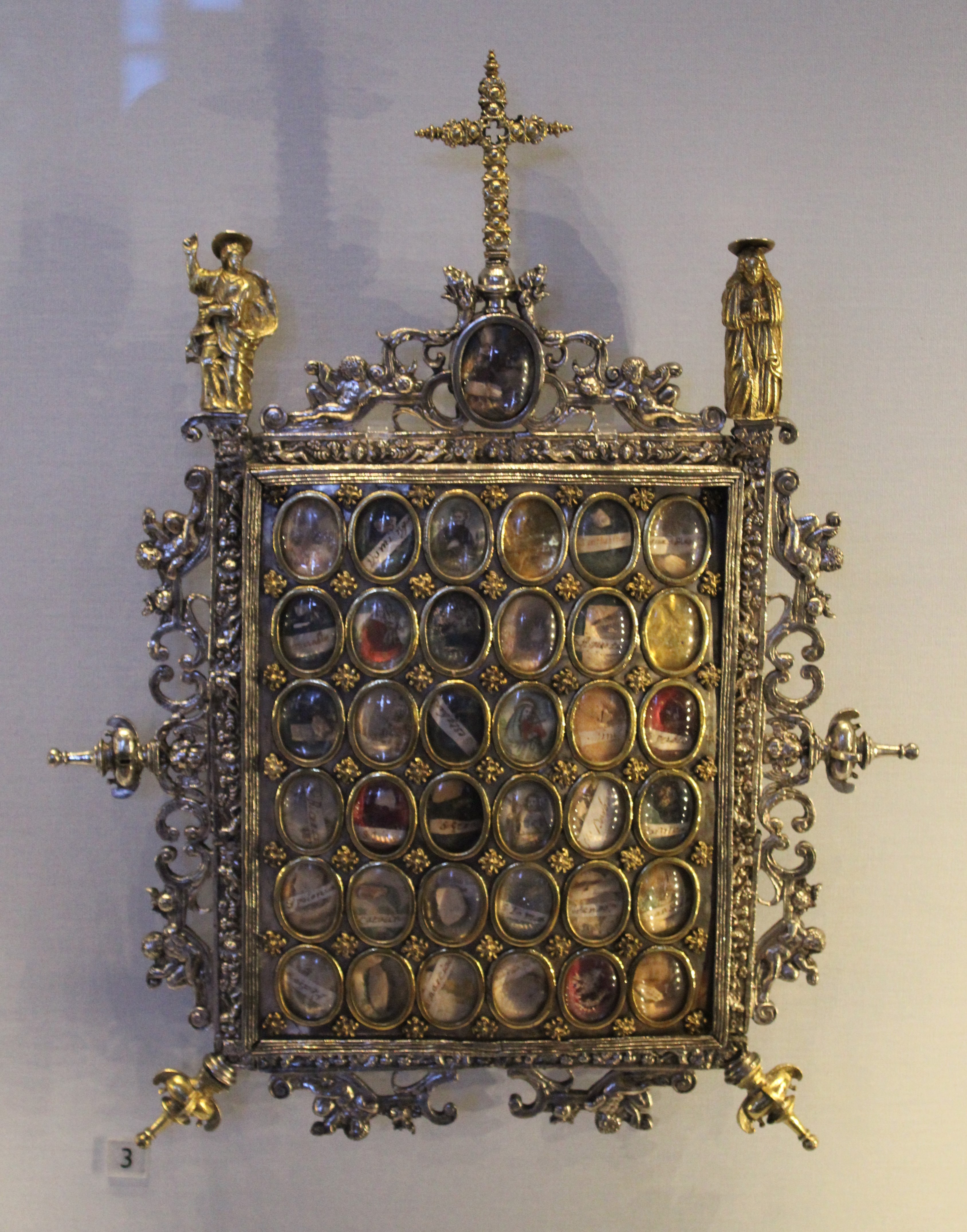

For Catholics, relics belong to a religious life centred on people, worship and the hope of resurrection. The Catechism places relic veneration among forms of popular piety and says these devotions should lead people towards the Church’s liturgy. It also calls for pastoral discernment. A laboratory result enters that setting as evidence about a physical object; it is not a measurement of the holiness of the person remembered. [6] [7]
The Church’s 2017 instruction, Relics in the Church: Authenticity and Preservation, makes care concrete. It provides for medical expertise, checking earlier documents against the remains, and a detailed signed account of their condition. Article 17 places preservation treatments within a process involving experts’ opinions and the bishop’s consent. These procedures give documentation and physical care a place alongside devotion. [7]
The hot-water study reports no testing of saints’ relics. Applying it to one would require a separate assessment of that specimen and its history. The attraction of keeping a bone whole should sharpen the conservation question, rather than settle it. [1]
A sensible proposal would start with the unresolved historical claim and the available records, then identify the smallest useful intervention. An age compatible with a saint’s lifetime would still leave questions of identity and custody to answer. A conflicting age would need interpretation in light of the sampled material and its treatment. Neither result makes the record of the object’s journey expendable. [2] [7]
Before a custodian agrees to a test, the written plan should say what will be taken, what will be returned and which questions the remaining material may still be able to answer. That record should remain with the object.