THE PERSON BEHIND THE ACCOUNT
The bones in Idesbald’s shrine turned out to belong to someone else.
For generations a lead coffin was honored as holding Idesbald, abbot of Ten Duinen, who died in 1167. When researchers examined its contents in 2015, the dates contradicted the name. The skeleton belonged to a person who lived centuries later. [1] [3]
The abbot behind the reliquary
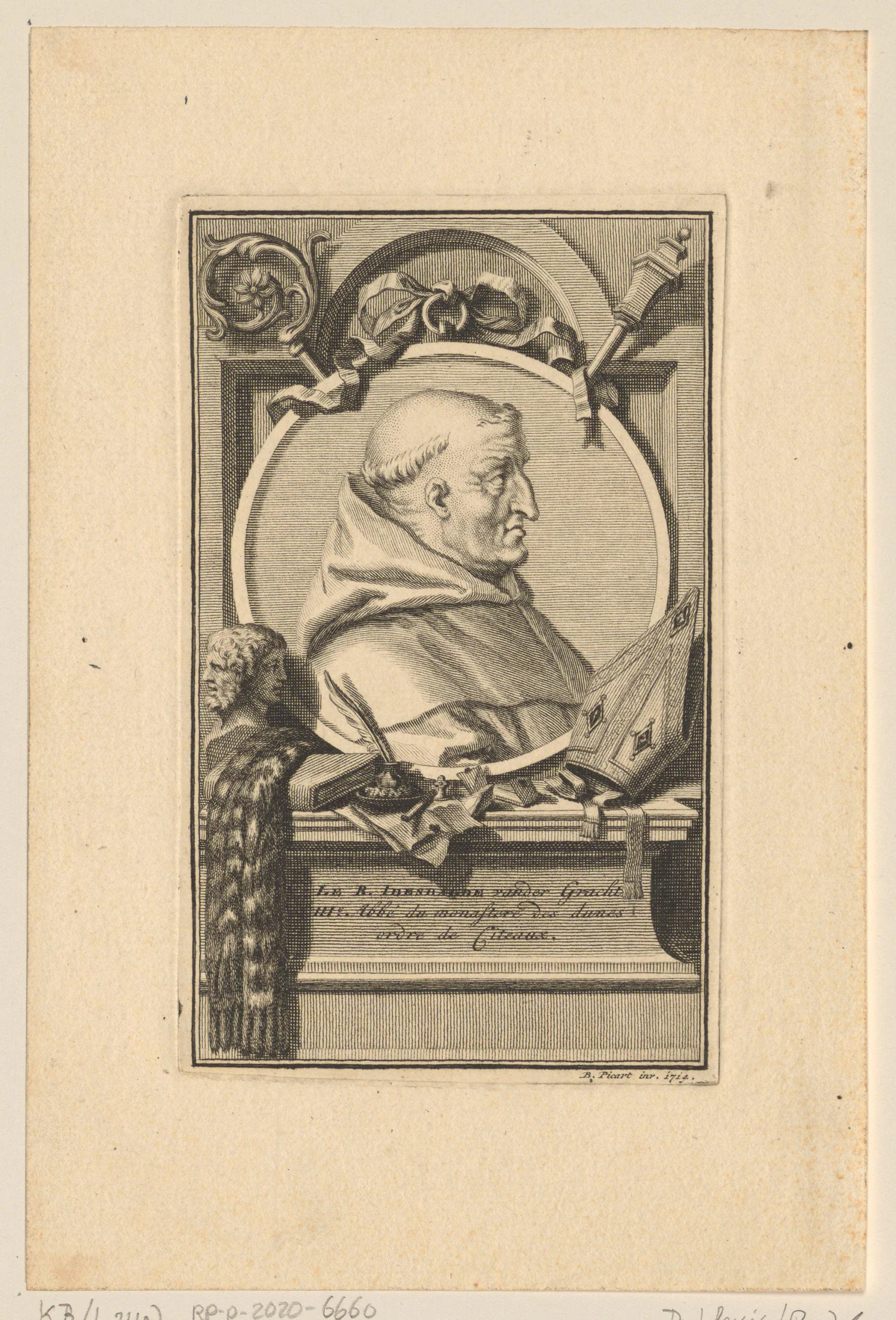
Idesbald led the Cistercian abbey at Ten Duinen from 1156 until 1167. The short museum account gives more detail about his later veneration than his personal decisions as abbot. We can locate him in a monastic community without assigning him sayings, crises or achievements the record here cannot substantiate. [1]
A coffin recovered in troubled times
The coffin associated with Idesbald was recovered in 1623 after religious conflict dispersed the abbey community. The study treats the historical identification as a claim to test. [3]
IN OUR OWN LIVES
A correction worth keeping
Evidence sometimes requires a familiar label to change. That correction deserves to remain visible. Respect for an unnamed person whose remains carried another identity belongs beside respect for the historical figure honored by the shrine.
THROUGH THE EYES OF FAITH
Faith and daily life
The parish community in Koksijde continued to commemorate Idesbald in 2017, marking 850 years since his death with pilgrimage, prayer and worship at the abbey ruins. That remembrance names the medieval abbot even though the reliquary’s identification has changed. [2]
A nineteenth-century work of devotion
Jean de Bethune designed the richly decorated reliquary in 1892. Idesbald was beatified in 1894, and the shrine gained a dedicated setting two years later. The museum’s account explains how an artwork gave visible form to a growing devotion. Its beauty documents the care of those who commissioned it, independently of the identity of the bones inside. [1]
Pilgrimage after a correction
The 2017 parish program included an outdoor Mass in the ruins of Ten Duinen and a pilgrimage to the local chapel. Religious memory remained connected to the abbot and his place. A Catholic community can keep that history while accepting a correction about the object long used to represent it. [2]
THROUGH THE LENS OF SCIENCE
The evidence about the remains
The 2016 study dated bone, textile, plant material and lead carbonate from the coffin. Its results contradict the attribution. [3] The Shroud of Turin dating dispute examines a separate case in which sampling and historical attribution have to be assessed together.
What the dates actually ruled out
The skeleton and coffin date to the later fifteenth or early sixteenth century. Marine dietary effects leave uncertainty in the precise range, but the authors rule out 1167. Aromatic plant material is younger still. [3]
An unknown person remains
Musea Brugge presents the identification plainly: the remains are not Idesbald’s. That does not supply the unknown man’s name. The case separates two questions often blurred in relic stories: whether material is old and whether it belongs to the person named on its container. Here the dating is sufficient to reject the traditional attribution. [1]
READER QUESTIONS
Questions and answers
Is this an authenticated incorrupt body of Idesbald?
No. Published dating contradicts the attribution to the abbot who died in 1167. [3]
Do we know whose remains they are?
The correction does not identify the unknown man. [1]
FOLLOW THE SOURCES
Sources and further reading
- Musea Brugge — A reliquary full of surprises
Church or shrine source
Museum account of the abbacy, reliquary, beatification and changed identity. The Dutch text is served at this resolving language URL.
- Kerknet / parish community — Idesbald commemoration, 2017
Church or shrine source
Records the 2017 commemoration and local pilgrimage. Does not provide a detailed medieval biography.
- Van Strydonck et al. — Radiocarbon study, 2016
Scholarly account
Exposed abstract and conclusions inspected: dating excludes 1167 despite marine uncertainty; coffin, skeleton and later plants. Full tables not reviewed.
Sources checked: 2026-10-27. Suggest a correction or a source.