THE PERSON BEHIND THE ACCOUNT
Ildefonso Schuster’s public life cannot be told without its difficult political choices.
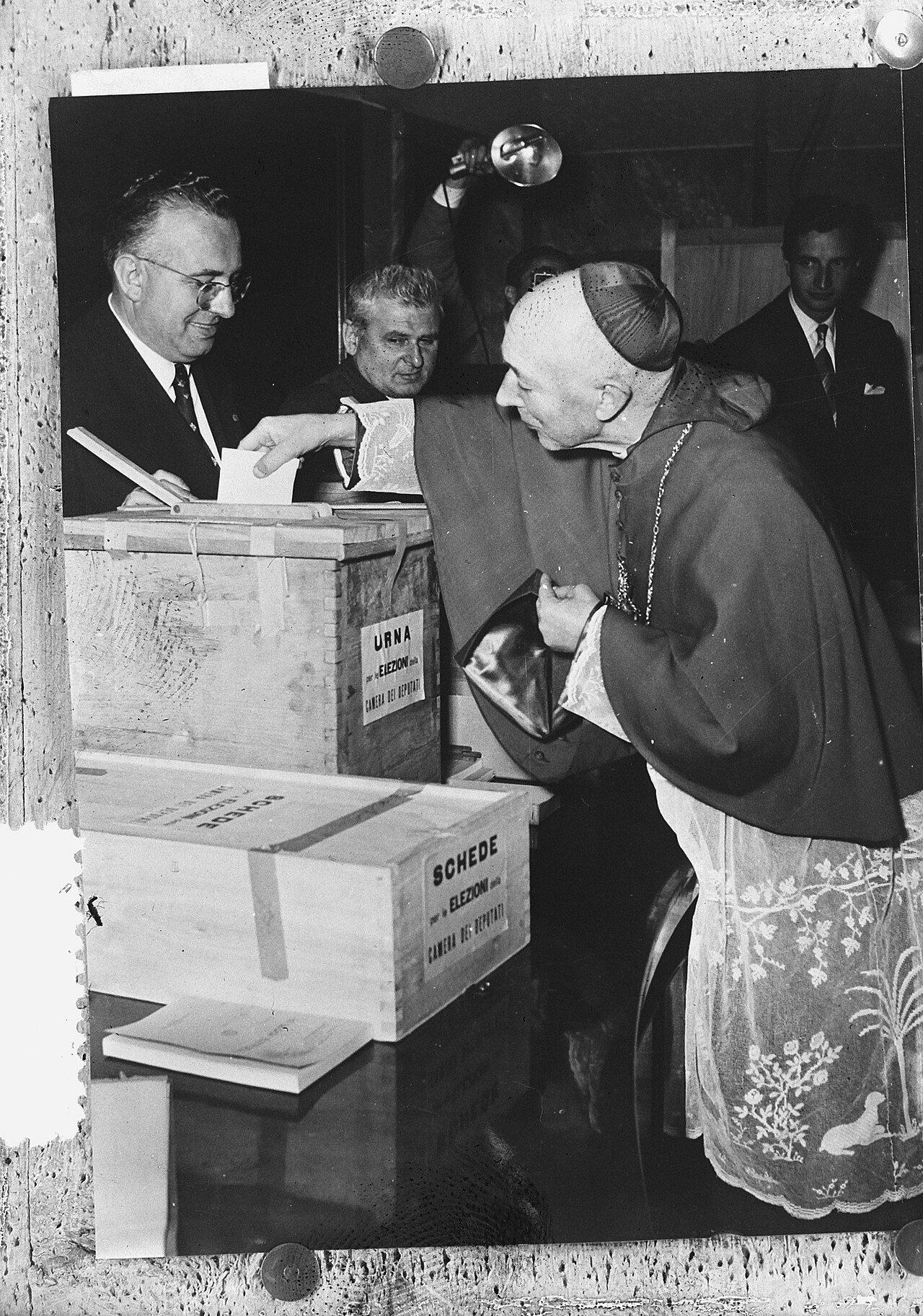
Ildefonso Schuster believed cooperation with the Fascist state could help restore a Christian society. He praised the regime and the Ethiopian campaign before later condemning racial ideology. Historian Alfredo Canavero’s account makes the change visible without erasing what came before it. [2]
A monk before Milan
Born in Rome in 1880, Schuster entered the Benedictine world of Saint Paul Outside the Walls and became abbot. He studied archaeology, monastic history and liturgy while undertaking responsibilities for formation and church institutions. Prayer and scholarship preceded his appointment as archbishop of Milan in 1929. [1]
A demanding parish itinerary
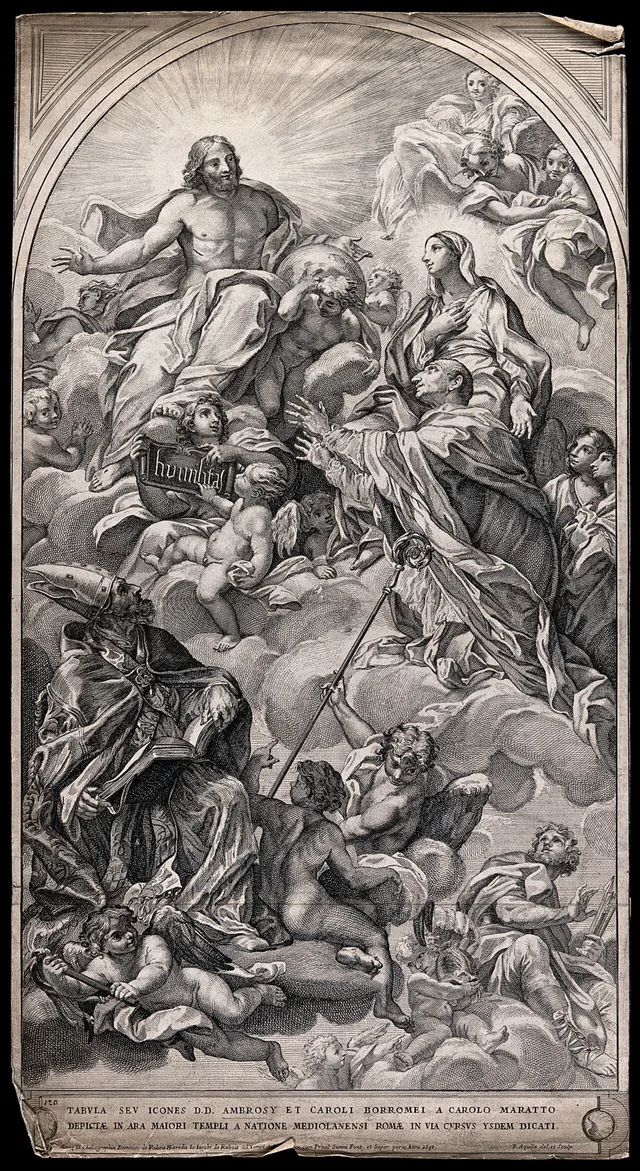
The diocesan remembrance describes pastoral visitation across the vast archdiocese, almost five times over. Schuster took Charles Borromeo as a model and attended to clergy formation, worship and contact with parish communities. His leadership involved sustained travel and work beyond a cathedral pulpit. [3]
Cooperation had consequences
Canavero records Schuster’s public praise of Mussolini and his celebration of Italy’s Ethiopian campaign in 1935. Some Catholics objected, and even Pius XI considered his language excessive. These were public interventions, not merely private hopes that Church and state might coexist. Their place in the record should remain explicit. [2]
The historian dates a change of attitude to the racial laws of 1938–39. Schuster condemned the racial myth in a cathedral homily. The later criticism matters, while offering no reason to recast the earlier support as resistance. [2]
Aid amid persecution and war
A 2026 diocesan history recalls Schuster sending the Capuchin Carlo da Milano on dangerous missions during the Nazi-Fascist occupation, including efforts to bring Jewish people and other persecuted people to safety. The account names a collaborator whose actions make the broad language of assistance more concrete. [5]
The official biography also recounts an attempted negotiation with Mussolini in April 1945. Schuster’s wish to protect the city became part of the chaotic end of the war. That episode does not make his entire political history consistent; the earlier accommodation and later action remain distinguishable. [1] [2]
IN OUR OWN LIVES
Devotion does not require a spotless political record
Religious discipline and serious pastoral labor can coexist with damaging judgments about power. A fair biography has to leave room for both. Later help for persecuted people deserves attention without turning earlier public support into retrospective resistance.
THROUGH THE EYES OF FAITH
Faith and daily life
The Church honors Schuster as Blessed, following his beatification in 1996. Its account emphasizes the Benedictine monk’s prayer, liturgical learning and repeated visits to Milan’s parishes. Those commitments offer a reason to study him closely; they do not remove the need to examine his political judgment. [1]
Worship people could take part in
Schuster’s liturgical interests included helping worshippers understand and participate in the Mass. Canavero describes his study of early Christian worship and support for more active participation. This was a distinctive scholarly and pastoral contribution, alongside his much more contested dealings with political power. [2]
The diocese remembers his attention to the poor, religious instruction and the celebration of the liturgy. Read together, those priorities show how he understood the bishop’s work: teaching and prayer were to shape the daily life of parishes. His public recognition as Blessed concerns that Catholic vocation, without turning every decision into an example to follow. [3] [1]
THROUGH THE LENS OF SCIENCE
The evidence about the remains
The Istituto Nazionale Italiano di Tanatoprassi states that Andrea Fantozzi completed a full restoration of Schuster’s body, displayed in Milan Cathedral. That provider’s report is a material fact relevant to any claim that visitors see remains untouched by conservation. [4]
A restored body is part of the physical history
The restoration institute’s page, dated 24 November 2020, identifies the cathedral’s Virgo Potens altar and reports its own work. It does not publish the full treatment protocol, the body’s earlier condition or the findings of a controlled study. The source is direct evidence of a conservation intervention, not an independent scientific verdict about the original preservation. [4]
Accordingly, the present display should be described with restoration in view. The available provider account cannot determine how much of the condition observed at an earlier exhumation arose naturally, or reconstruct every treatment since Schuster’s death in 1954. [4] [1]
READER QUESTIONS
Questions and answers
Is his Catholic title Saint or Blessed?
The documented recognition is Blessed: John Paul II beatified him on 12 May 1996. [1]
Was he an opponent of Fascism throughout?
No. Canavero records collaboration and praise before criticism of racial ideology and wartime interventions. [2]
Has the displayed body received restoration?
Yes, according to the restoration institute’s own published account. It does not disclose a full conservation protocol or establish the cause of the earlier preservation. [4]
FOLLOW THE SOURCES
Sources and further reading
- Dicastery for the Causes of Saints — Schuster
Church or shrine source
Benedictine formation, appointment, pastoral activity, 1945 negotiation, death and beatification.
- Alfredo Canavero — Schuster, Dizionario Biografico degli Italiani 91 (2018)
Scholarly account
Fascist accommodation, 1935 Ethiopia statements, 1938 racial-ideology criticism and liturgical scholarship.
- Archdiocese of Milan — Liturgical remembrance, 2026
Church or shrine source
Diocesan interpretation of visitation, Borromeo model, teaching and liturgy.
- Istituto Nazionale Italiano di Tanatoprassi — Schuster
Conservator’s account
Provider’s direct statement of full restoration by Andrea Fantozzi; no full methods or independent scientific analysis. Only its own work claim is relied on.
- Archdiocese of Milan — Carlo da Milano and Schuster, 28 August 2026
Church or shrine source
Names wartime collaborator and aid to Jewish and other persecuted people; later article also recounts Mussolini remains custody.
Sources checked: 2026-10-27. Suggest a correction or a source.