THE PERSON BEHIND THE ACCOUNT
Andrew Bobola’s struggle with impatience preceded his death as a martyr.
Pius XII’s account remembers Andrew Bobola as proud, impatient and sometimes obstinate. Prayer and religious discipline were directed toward changing that temperament before the final public witness of martyrdom. [2]
Preaching included practical work
The Jesuit account remembers congregations Bobola organized in Vilnius whose members visited prisoners and taught children catechism. It also describes service during plague. These activities give the missionary’s work a human scale before his story reaches a violent conclusion. [4]
A divided religious landscape
His ministry unfolded amid Catholic–Orthodox conflict and war between Polish and Russian forces. The Jesuit biography places his work in that volatile setting. These labels describe institutions and allegiances in a specific historical conflict; they should never be turned into collective guilt assigned to Orthodox Christians or an ethnic community today. [4]
The Dicastery recounts his remaining at work amid destruction and his capture by a Cossack group on 16 May 1657. A parish account says he attempted to escape before being caught. Seeking safety is compatible with the later refusal to renounce his faith; martyrdom need not be rewritten as a wish to be tortured. [1] [3]
IN OUR OWN LIVES
Conviction without making an enemy of a whole community
A martyr’s story can ask what faithfulness requires under coercion without making enemies of a whole community. Telling one person’s murder accurately brings a responsibility to reject collective blame and inherited hatred.
THROUGH THE EYES OF FAITH
Faith and daily life
Catholics honor his refusal to abandon faith under torture. Pius XII connects that witness with humility, Eucharistic devotion and good works. The story supplies no warrant for inherited hostility toward other Christians. [2]
A faith that required self-command
The 1957 encyclical makes self-command part of the religious witness: conviction must affect conduct. Its demand for humility begins with the believer’s own impatience. [2]
THROUGH THE LENS OF SCIENCE
The evidence about the remains
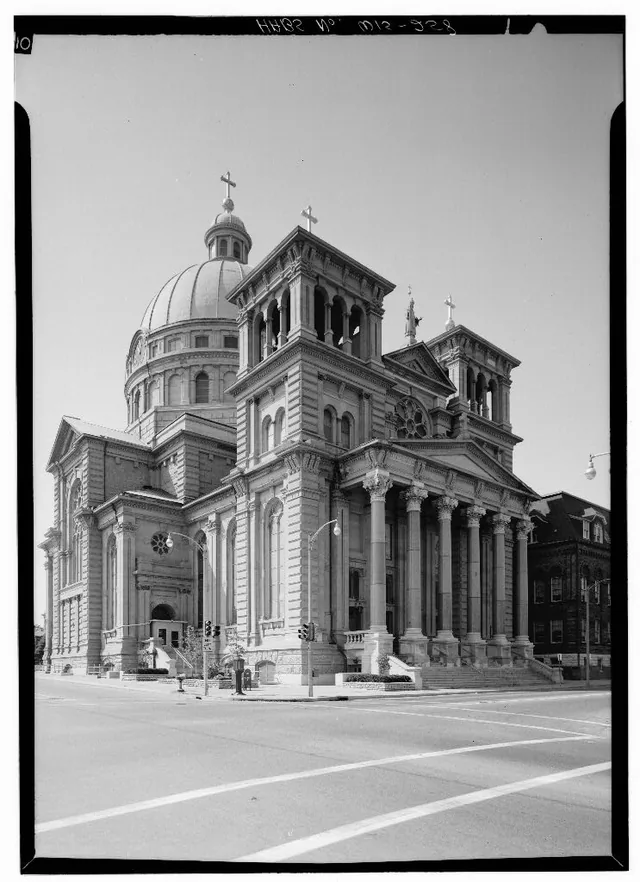
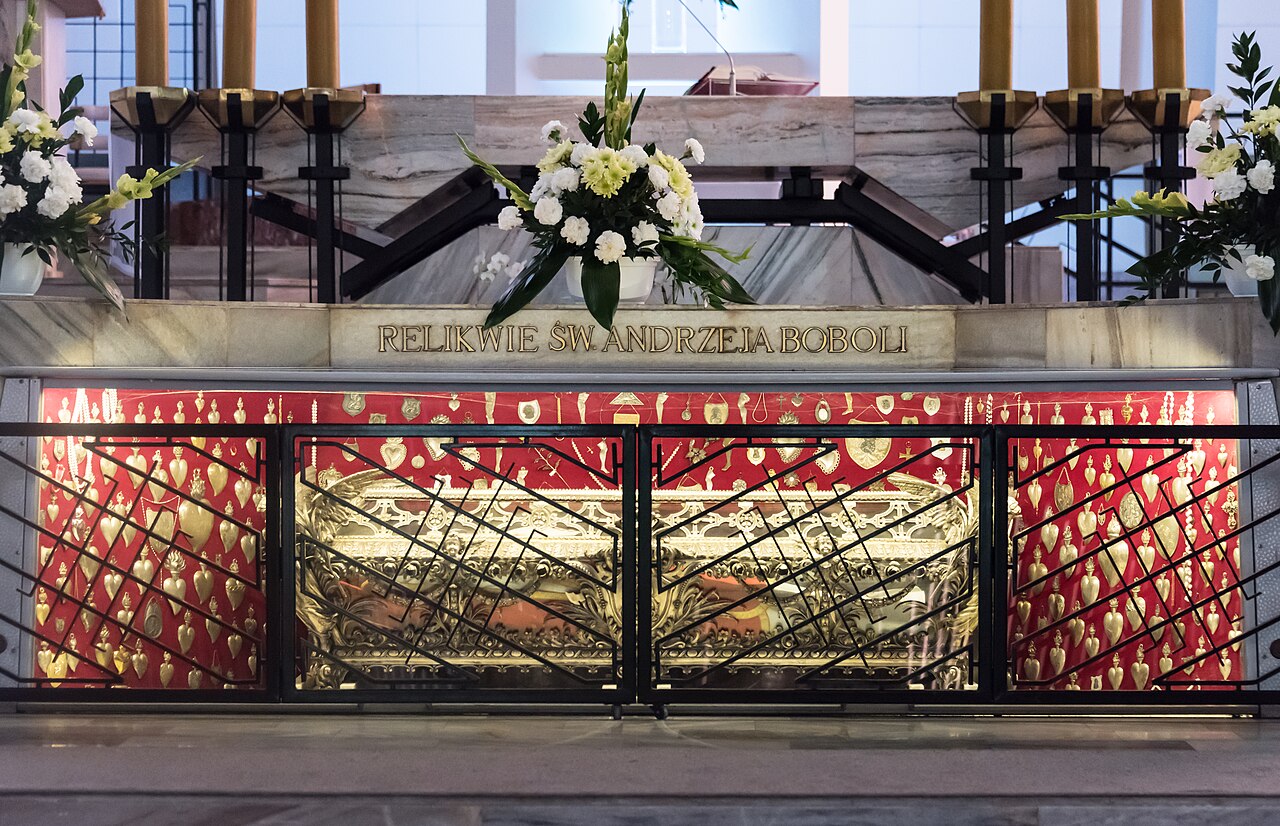
A Polish parish history traces the remains through removals, political seizures and wartime displacement before their placement in the Warsaw shrine. That complicated custody history needs to accompany the preservation tradition. [3]
A body carried across borders
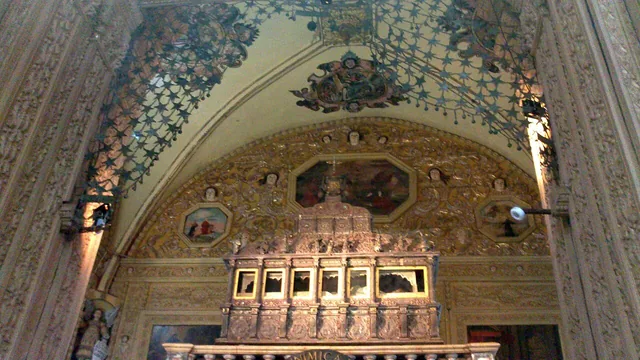
The parish history records transfer to Polotsk in 1808, removal to Moscow in 1922, subsequent recovery to Rome and return to Poland after canonization in 1938. It also recounts movement during the Warsaw Uprising and later installation in the present shrine. This was no undisturbed burial remaining in one environment. [3]
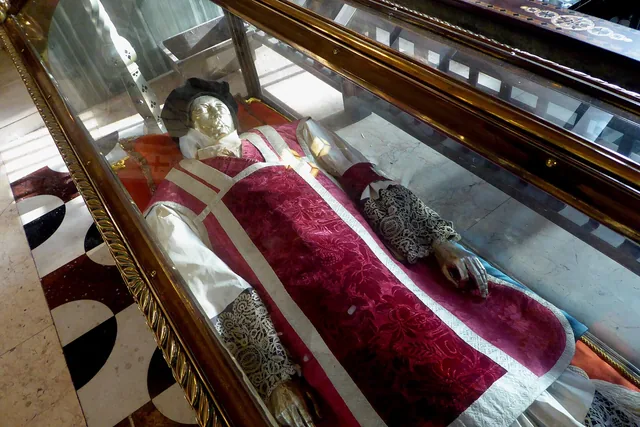
The same history describes favorable bodily preservation in older accounts, without publishing a full anatomical examination or conservation history. The reviewed sources cannot determine the relative effects of original burial conditions, drying, coverings and later treatment. The physical claim remains separate from the Church’s recognition of martyrdom. [3]
READER QUESTIONS
Questions and answers
Did Bobola seek out his death?
The parish account says he tried to escape before capture. The Church’s martyr tradition concerns his refusal to renounce faith after he was seized. [3] [2]
What did he do before the martyrdom?
The Jesuit biography describes preaching, catechesis, prisoner visits organized through congregations and service during plague. [4]
Do the sources explain preservation scientifically?
They recount preserved remains and a long transfer history, without a comprehensive anatomical or treatment report. [3]
FOLLOW THE SOURCES
Sources and further reading
- Dicastery for the Causes of Saints — Andrew Bobola
Church or shrine source
1657 death, Catholic martyr status and 1938 canonization. Its compressed geopolitical language is not expanded into ethnic generalizations.
- Pius XII — Invicti Athletae, 16 May 1957
Primary historical record
Primary papal interpretation, including difficult temperament, humility, good works and martyrdom. Historical anti-Orthodox polemic is not adopted as the page’s voice.
- Parish of Andrew Bobola — Patron history
Church or shrine source
Capture while attempting escape and detailed relic itinerary. It is a parish account, not a current scientific report.
- Society of Jesus — Andrew Bobola, 15 May 2024
Church or shrine source
Ministry in Vilnius, prisoner visits, plague and conflict setting. Its birth-year and compressed return-to-Poland date conflict with stronger sources and are omitted.
Sources checked: 2026-10-27. Suggest a correction or a source.