THE PERSON BEHIND THE ACCOUNT
Bénezet’s remembered work was to get people safely across a river.
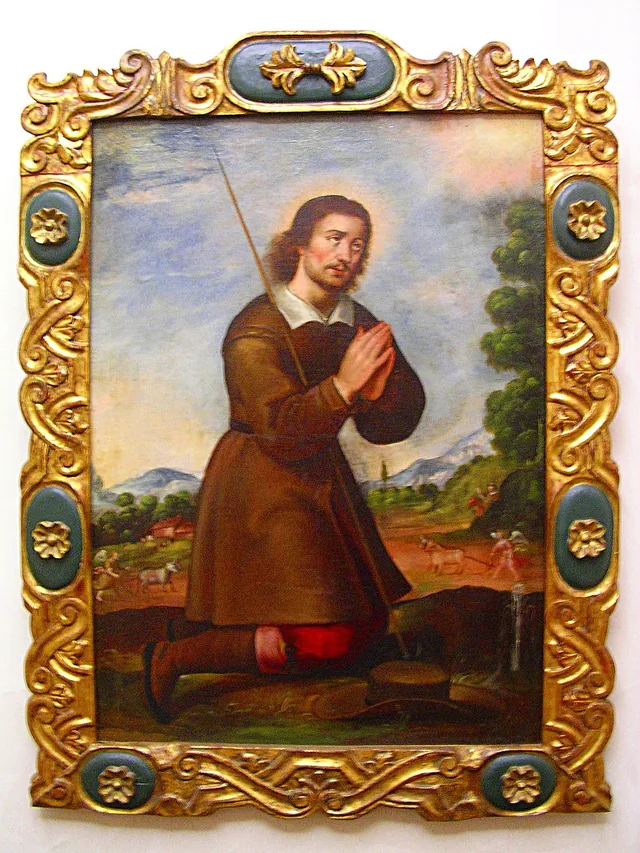
The tradition remembers Bénezet as a shepherd urging a bridge across the Rhône at Avignon. Companions gathered support for builders and travelers. His remembered work was a public crossing. [1]
A call remembered as a legend
Official Avignon tourism material describes the heavenly command to the young shepherd as legend. It explains that the bridge itself was a continuing construction project extending across centuries. A memorable founding story should not make the physical structure the work of one person acting alone. [2]
The companions and the practical task
The Catholic account names the Brothers of the Work of the Bridge: gathering offerings, maintaining the crossing and assisting builders, pilgrims and travelers. It dates his death to 1184, before completion. Detailed private decisions do not survive here. [1]
A bridge that did not remain whole
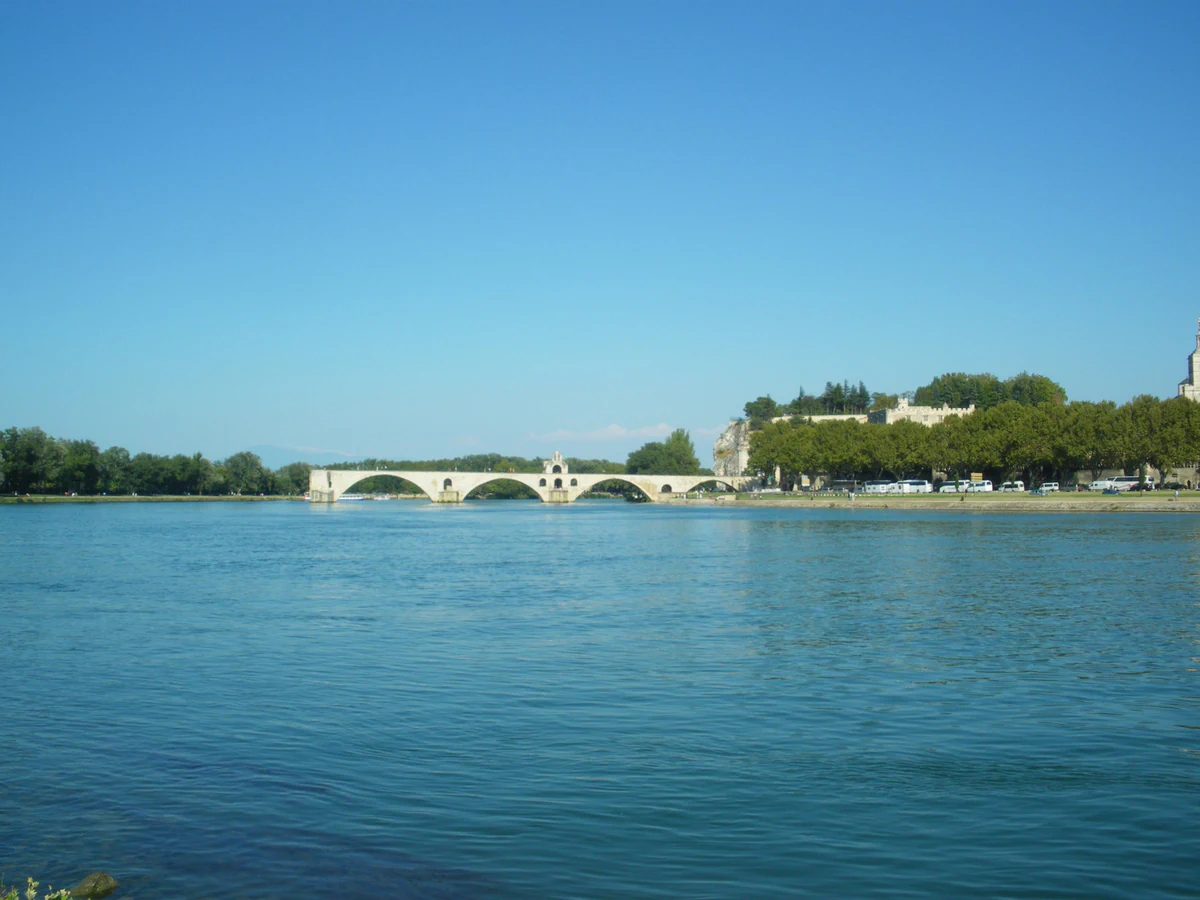
The tourism authority records repeated change in the river’s behavior and the eventual abandonment of the crossing in the seventeenth century. The surviving monument preserves part of a much larger structure. Its broken form also corrects an easy assumption that a saint’s association guaranteed a work’s permanent survival. [2]
IN OUR OWN LIVES
Charity can have the shape of a crossing
A safer route is something strangers share. Building it requires cooperation, resources and continuing maintenance. The charitable meaning of a crossing remains concrete even where its founder’s personal biography is hard to recover.
THROUGH THE EYES OF FAITH
Faith and daily life
Nominis, the French Catholic saints resource, presents his love for poor people as the purpose behind the bridge project. It labels some of the extraordinary episodes as legend. That distinction lets the charitable meaning be read without turning every wonder into a documented construction event. [1]
Explore the Catholic understanding of faith ↗THROUGH THE LENS OF SCIENCE
The evidence about the remains
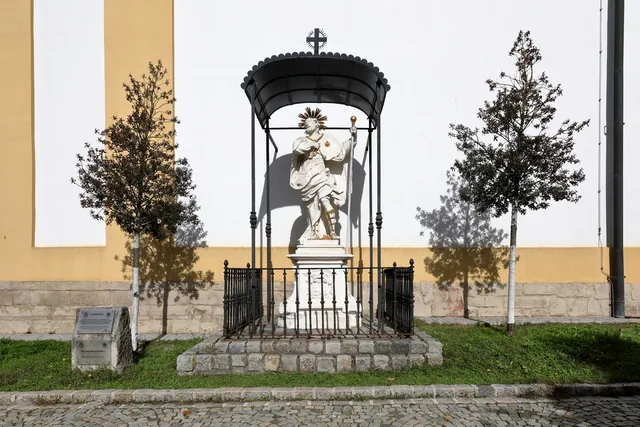
Relics attributed to Bénezet were moved from the bridge chapel when flooding threatened it. Later objects associated with his name include a wooden statue with a reliquary base. An image containing relics is a different material object from a preserved body. [1] [3]
The remains left the bridge
The local heritage association recounts the transfer of Bénezet’s remains to the Célestins in 1674 after arches collapsed. Nominis later locates attributed relics at Saint-Didier. These accounts trace veneration and movement; they contain no current bodily inventory or preservation study. [4] [1]
The statue is an object with its own record
The Ministry of Culture describes an eighty-three-centimeter statue at Notre-Dame-des-Doms, made of painted wood and metal, with a reliquary base. Its documented materials cannot be confused with human anatomy. The inventory records one devotional object, not the complete contents of every shrine associated with Bénezet. [3]
READER QUESTIONS
Questions and answers
Did Bénezet build the whole bridge himself?
The legend centers on him; the tourism authority describes a project built and changed over centuries. The Catholic account also names companions and organized support. [1] [2]
FOLLOW THE SOURCES
Sources and further reading
- Nominis / French Catholic bishops — Bénezet
Church or shrine source
Catholic tradition, brotherhood, death, relic transfers; explicitly labels legendary material.
- Avignon Tourism — Saint-Bénezet Bridge
Cultural heritage record
Official monument account distinguishing shepherd legend from centuries of construction and later abandonment.
- French Ministry of Culture — Statue PM84001351
Cultural heritage record
Painted wood/metal statue, height and reliquary base at Notre-Dame-des-Doms. No human-material inventory.
- Avignon Cité Millénaire — Célestins
Reference account
Local independent heritage association’s account of 1674 transfer after bridge damage. Not a custodian or forensic source.
Sources checked: 2026-10-27. Suggest a correction or a source.