THE PERSON BEHIND THE ACCOUNT
Catherine de’ Ricci: the visionary who had a monastery to run
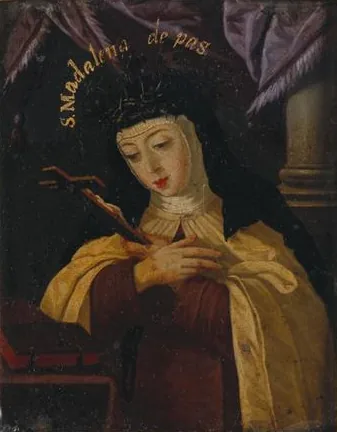
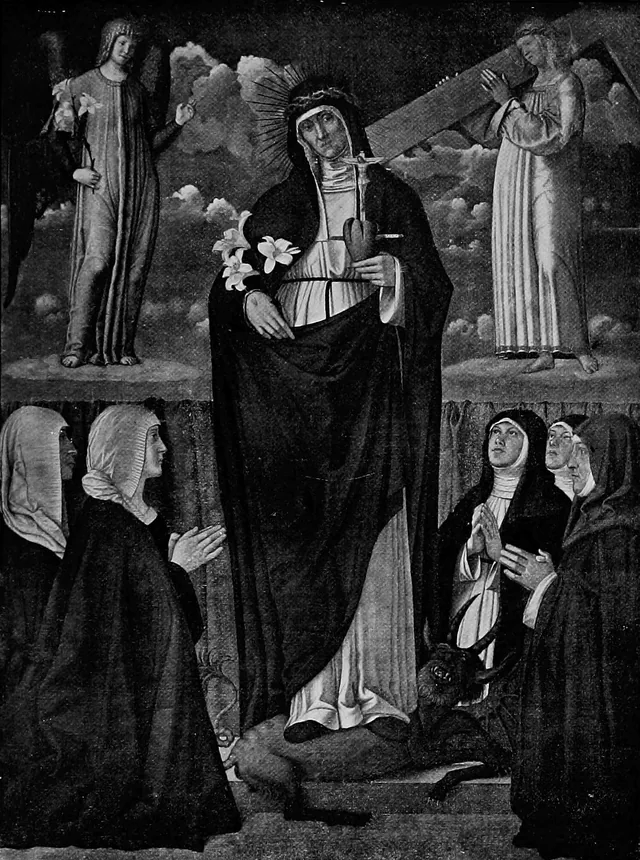
Catherine de’ Ricci’s early years at San Vincenzo in Prato brought illness, suspicion and humiliating correction. The same woman later governed the monastery and sustained a wide circle of correspondents. Her life extends far beyond its famous ecstasies. [1][6]
An institution with a history before her
Catherine was born in Florence in 1522 and entered San Vincenzo in 1535. The national archival catalogue traces the women’s community to an early sixteenth-century initiative by women seeking Dominican religious life. They had already endured displacement during the plague of 1527 and returned to Prato in 1530. [4][5]
She entered a functioning community with its own expectations and vulnerabilities. That setting helps explain why an individual vocation could create difficulties for others as well as for the novice. The 2016 Dominican account acknowledges the harsh treatment she received; a biography need not endorse those methods in order to describe her perseverance. [1][5]
The long work after the famous episodes
Catherine served for many years as priora and subpriora. The Dominican account describes her raising and administering funds, extending the monastery, helping poor people and providing dowries for women who otherwise lacked the means to marry. It also remembers continuing illness during these responsibilities. [1]
These tasks give her contribution a scale beyond personal reputation. Running a religious house meant making a shared life possible. Money and property were part of that work. They brought dependence on donors and relationships with influential families, as well as opportunities to direct resources toward needs outside the enclosure. [1][5]
IN OUR OWN LIVES
A leader seen in more than one kind of record
Anyone who has helped run a small community will recognize how quickly spiritual ideals meet practical questions: a repair, a request for money, a member who is ill. Careful decisions in those moments affect whether people can keep trusting one another.
Catherine’s story also makes room for judging a religious institution’s conduct toward a member whose behavior it struggles to understand. Patience and responsibility should govern that response as much as admiration governs a later reputation.
THROUGH THE EYES OF FAITH
Faith and daily life
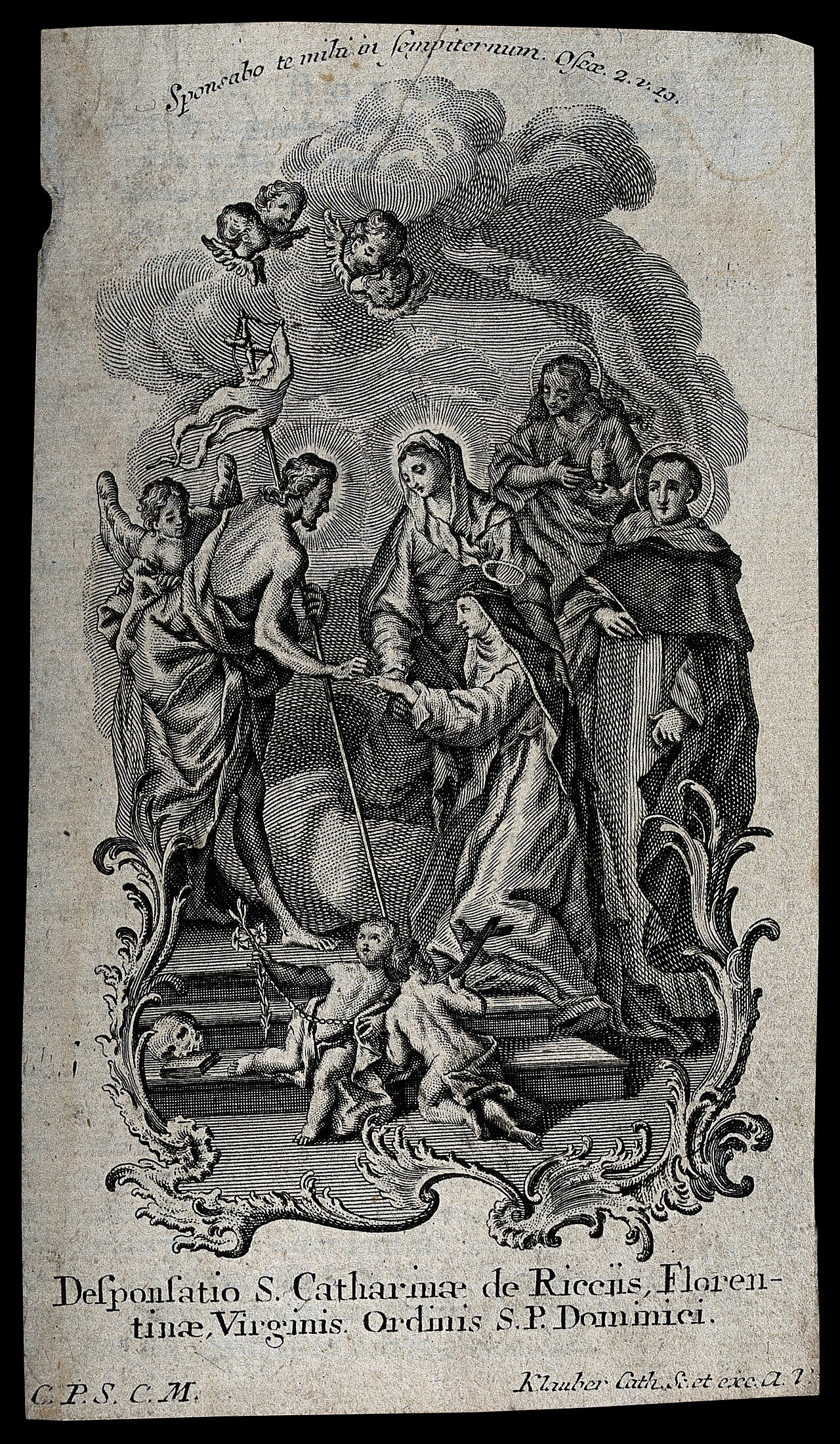
The Church’s official account joins two commitments: religious renewal and sustained contemplation of Christ’s Passion. Catherine understood the suffering of Jesus through the Catholic language of prayer and mystical participation. Her surviving letters also place that faith among practical responsibilities. [2][3] Benedict XIV canonized her on 29 June 1746. [2]
Her experience reached readers through other people
The accounts of Catherine’s ecstatic states were written down by observers, including Sister Maddalena Strozzi and the monastery’s confessor. An archival presentation identifies the resulting texts, the Ratti, alongside a rich correspondence. Readers meet both Catherine’s experience and the people who selected, recorded and transmitted it. [3]
The same presentation links a reported recovery in 1540 with her devotion to Girolamo Savonarola. It describes later experiences centered on Christ’s Passion and visits from members of the Medici court. These are historically situated religious accounts. We cannot turn the reported recovery into a modern clinical finding without records that establish the illness, treatment and outcome. [3]
Advice that traveled beyond Prato
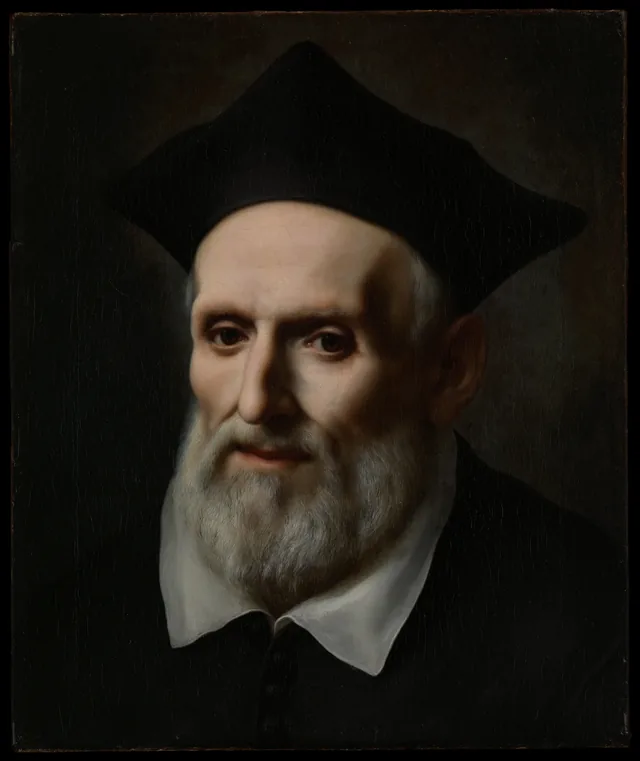
The archival account identifies an extensive network around the monastery. The Dominican essay records correspondence with Philip Neri: spiritual guidance reached people beyond the enclosure. [3][1]
A letter is a different kind of encounter from a reported vision. Someone has a question, a family difficulty or a request, and expects an answer. Catherine’s reputation rests partly on her capacity to participate in those ordinary exchanges. Her Catholic vocation included religious reform, while the people seeking her counsel extended beyond the women living beside her. [2][3][6]
The monastery itself did not survive history without disruption. The national archival catalogue records later suppressions under French and Italian governments, departures and returns of the religious community. That history belongs after Catherine’s lifetime, but it explains why the setting seen today has its own complicated record of continuity. [5]
THROUGH THE LENS OF SCIENCE
The evidence about the remains
The Diocese of Prato identifies the body in the basilica’s urn as incorrupt. The announcement checked is a notice of worship and custody, not an anatomical report. Her reported experiences while alive and the condition of her remains after death need separate evidence. [4]
The urn and the church around it
Prato’s civic visitor service places her remains beneath the central altar at San Vincenzo. Its description also identifies sculpted reliefs of miracles: the church presents her through art as well as through relics. [7]
The diocesan notice calls the body incorrupt and mentions the lamp kept before its urn. Neither that notice nor the civic description supplies a dated tissue inventory, laboratory analysis or treatment history. The visible religious setting establishes where her remains are venerated; the extent and mechanism of preservation need evidence beyond the word incorrupt. [4][7]
READER QUESTIONS
Questions and answers
FOLLOW THE SOURCES
Sources and further reading
- Dominicus 3, 2016: Catherine de’ Ricci, novice and priora
Dominican historical essay
Historical essay, pp. 119–122: harsh correction, later offices, illness, funding, building and dowries; retrospective account.
- Dicastery for Causes of Saints: canonization, 29 June 1746
official canonization record
Benedict XIV, date, Dominican regular Third Order, religious renewal and Passion-centered contemplation.
- Archive for Women’s Memory and Writing: Catherine, Ratti
scholarly archival presentation
Archival presentation: reported recovery, observers, Ratti, Medici visitors and correspondence. Governance dates differ from other summaries.
- Diocese of Prato: San Vincenzo remembers Catherine
diocesan custody notice
1522–1590, death date, urn described as containing incorrupt body, lamp and liturgical devotion. No technical condition report.
- National Archival System: San Vincenzo, Prato
institutional archival history
Community origins, 1527 displacement/1530 return, Catherine’s 1535 entry, later suppressions and returns. Distinguishes community history from saint’s lifetime.
- Catholic Encyclopedia: Catherine de’ Ricci
historical reference
Received biography and correspondence with Philip Neri. Miracle and vision reports treated as religious testimony.
- Città di Prato: San Vincenzo
civic heritage information
Body’s location beneath central altar, miracle reliefs and later baroque setting. No anatomical detail.
Sources checked: 2026-10-27. Suggest a correction or a source.