Italy✦
Canonized saint
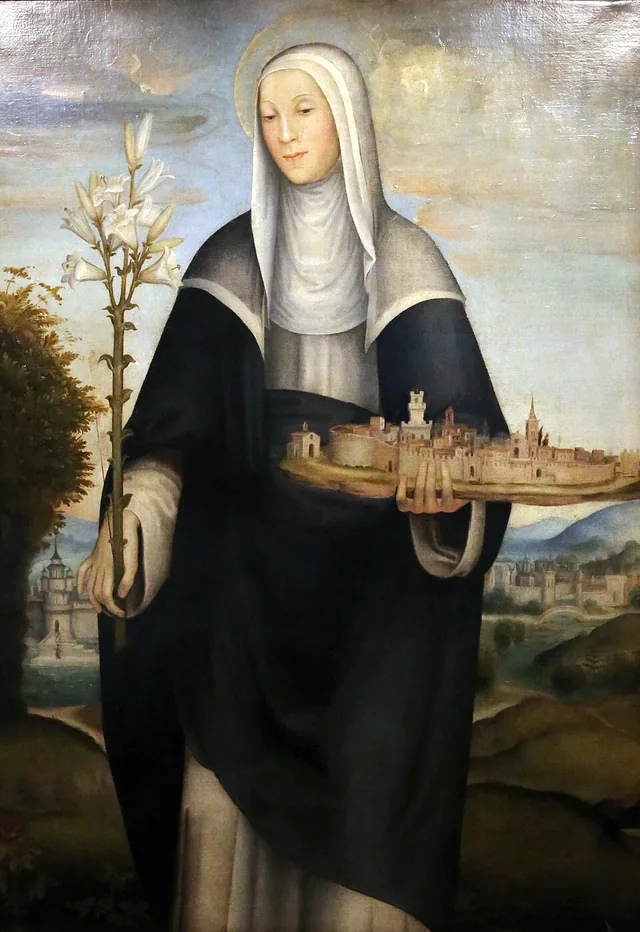
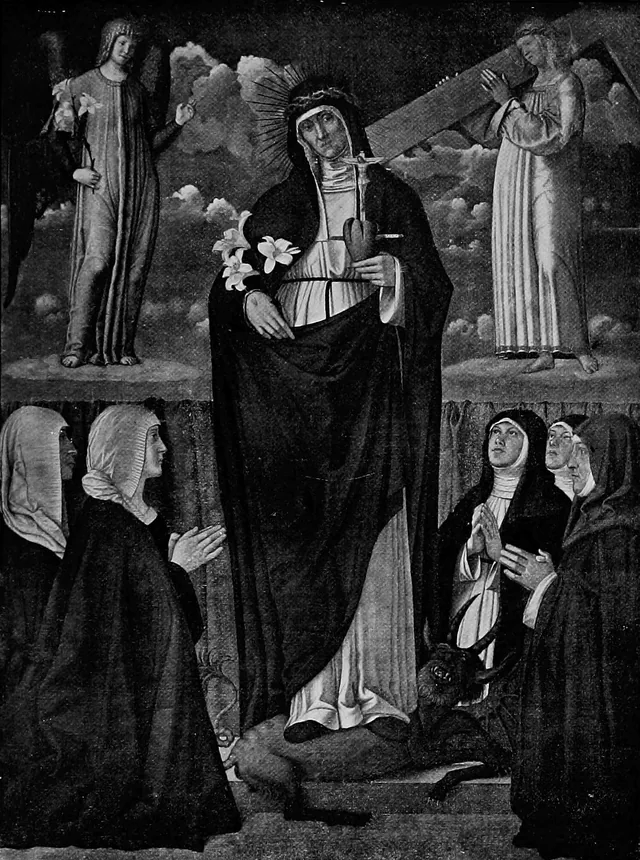
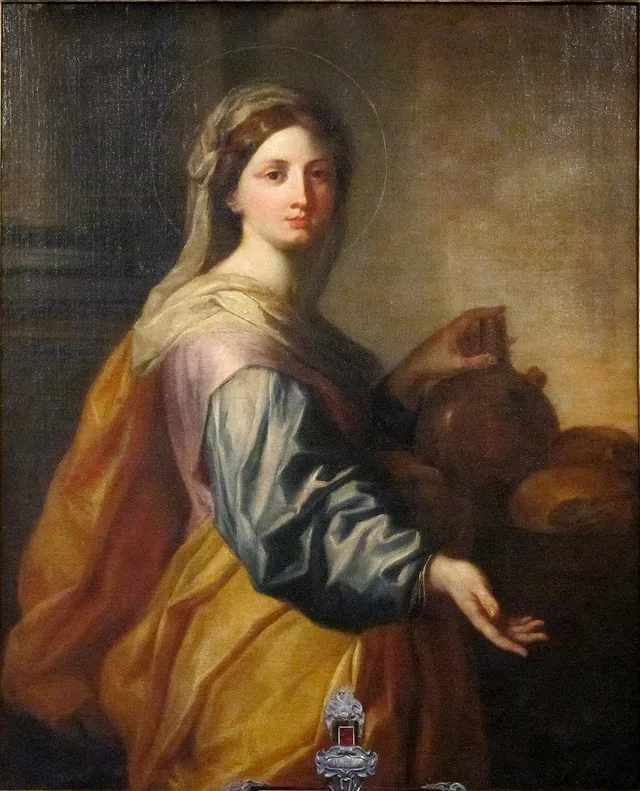
Agnes of Montepulciano was remembered for humility in a position of authority.
A young superior became the founder of a Dominican monastery. Later generations told remarkable stories at her tomb; the order’s liturgy preserves a quieter emphasis.
Germany✦
Canonized saint
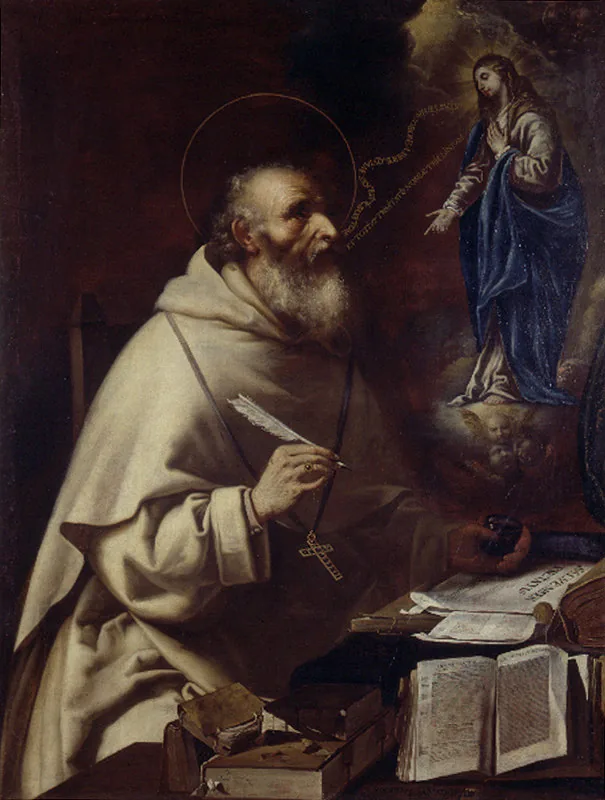
Albert the Great wanted to know how the natural world worked.
Thomas Aquinas’s teacher read Aristotle, studied living things and became a bishop he had not wanted to be. His curiosity gives this collection a different way into science and faith.
Italy✦
Blessed
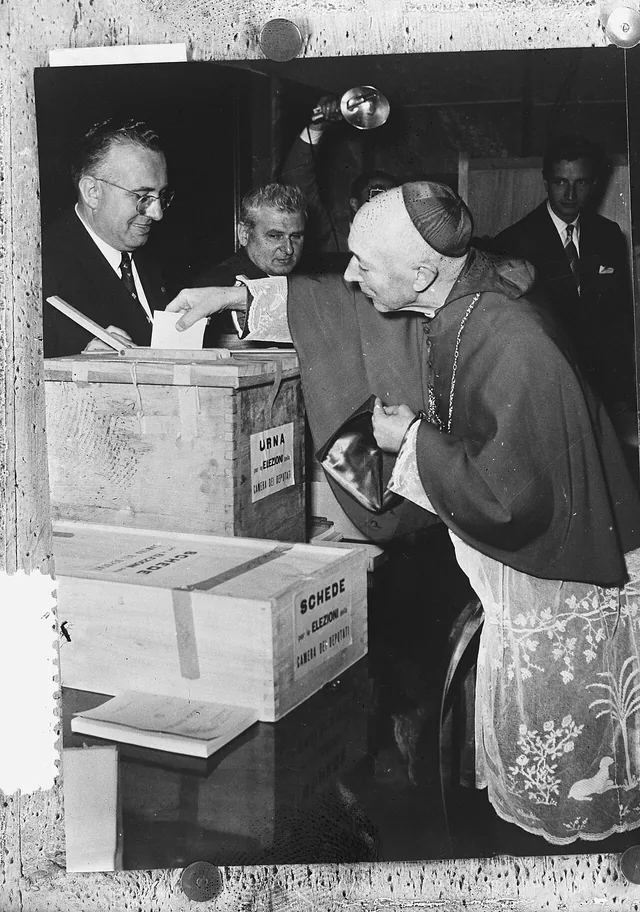
Ildefonso Schuster’s public life cannot be told without its difficult political choices.
A Benedictine scholar became Milan’s archbishop, first accommodating Fascism and later condemning racial ideology. His pastoral work and his mistakes belong in the same history.
Poland✦
Canonized saint
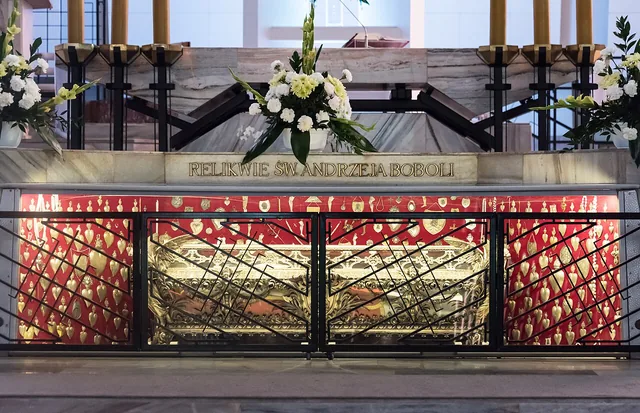
Andrew Bobola’s struggle with impatience preceded his death as a martyr.
A Jesuit preacher worked among divided communities, visited prisoners and faced a violent death. His memory needs both conviction and care about the people caught in that conflict.
Italy✦
Blessed
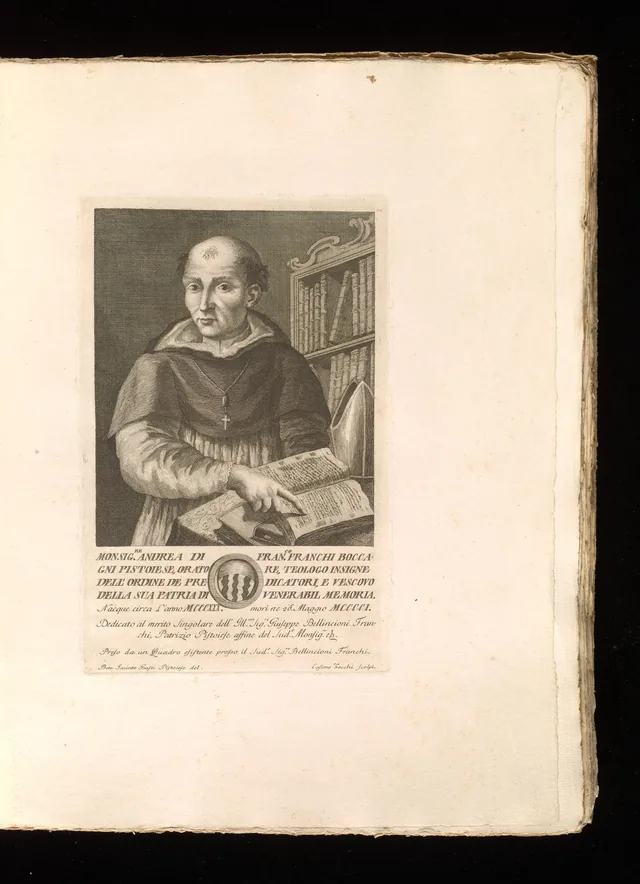
He asked a divided city to make mercy public.
Prisoners, rival families, a public procession: Andrew Franchi's story brings the promise of reconciliation into the difficult business of a city's life.
Italy✦
Canonized saint
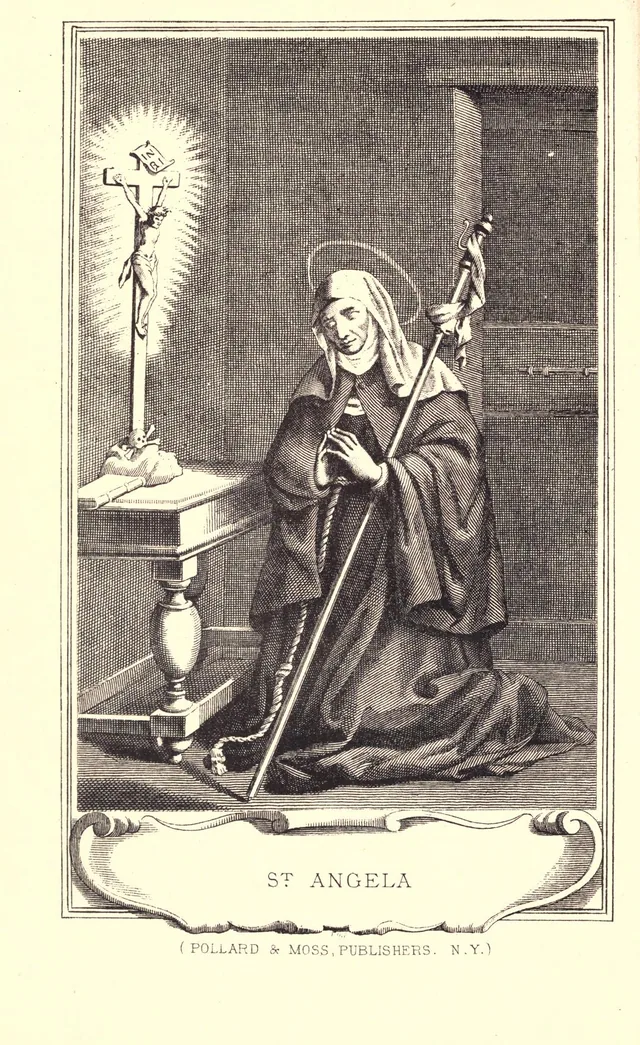
Angela Merici gave women a religious vocation they could live at home.
Her Company of Saint Ursula began with companions, work and prayer in the world. Her advice to its leaders remains unusually direct about freedom and care.
Spain✦
Canonized saint
Ángela of the Cross returned to the shoemaking bench before she found her community.
Illness ended one attempt at religious life. Back in Seville, she worked, wrote after hours and formed a group that cared for poor people in their own homes.
Italy✦
Blessed
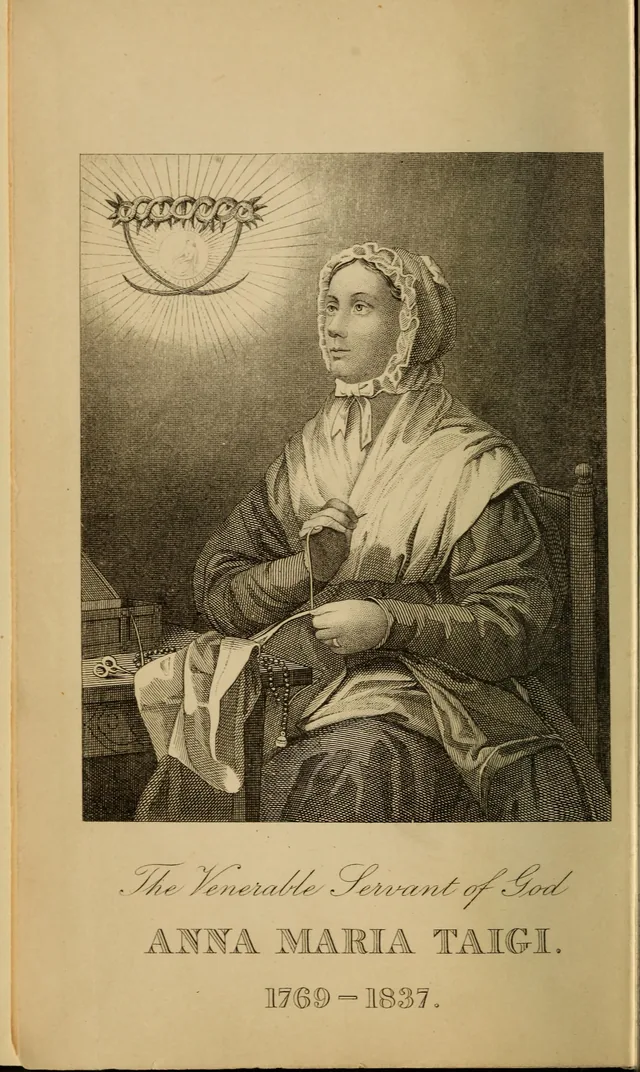
Anna Maria Taigi kept an open door in a crowded Roman life.
Work, seven children, bereavement and visitors seeking counsel filled the life of this Trinitarian laywoman. The extraordinary claims belong within that demanding household story.
Italy✦
Blessed
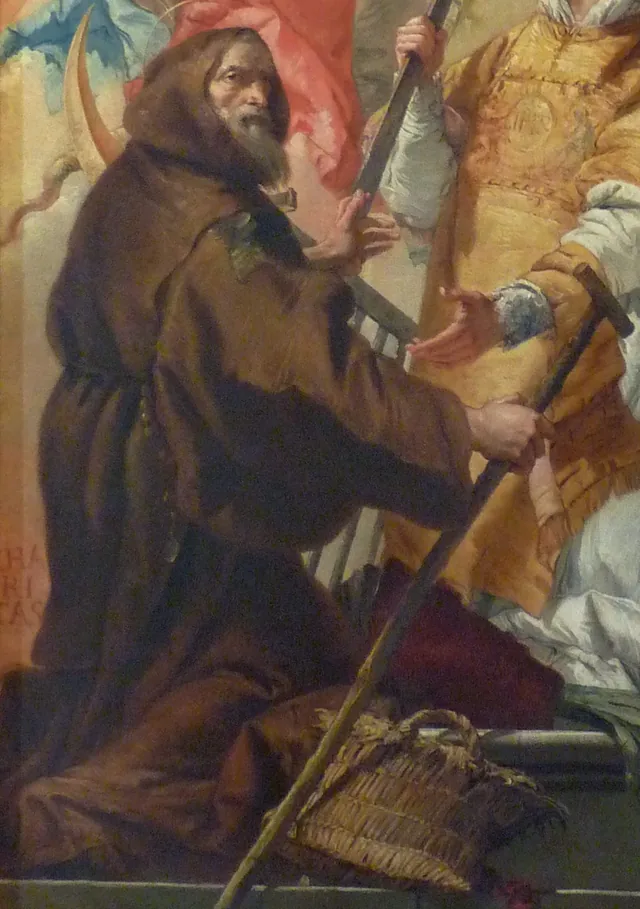
Anthony of Stroncone: the friar who asked others for the community’s bread
A lay brother’s work, a small book of prayers and a disputed journey home give this Umbrian devotion its particular shape.
Italy✦
Canonized saint
Anthony Zaccaria answered a busy lawyer with advice about prayer during work.
A physician turned priest built a reforming family of clergy, women religious and married laypeople. His letters bring that project down to the habits of a working day.
Italy✦
Blessed
Antonia of Florence changed her religious life after fourteen years of leading others.
Widowhood, motherhood and community responsibility came before her move to Clare’s rule. The poverty she chose soon meant asking neighbors for help.
Italy✦
Canonized saint
Antoninus of Florence asked what a prosperous city owed the people it could not see.
An archbishop’s moral theology reached into trade, work and hidden poverty. His charitable institution still explains its purpose through the dignity of people reluctant to ask for help.
Italy✦
Canonized saint
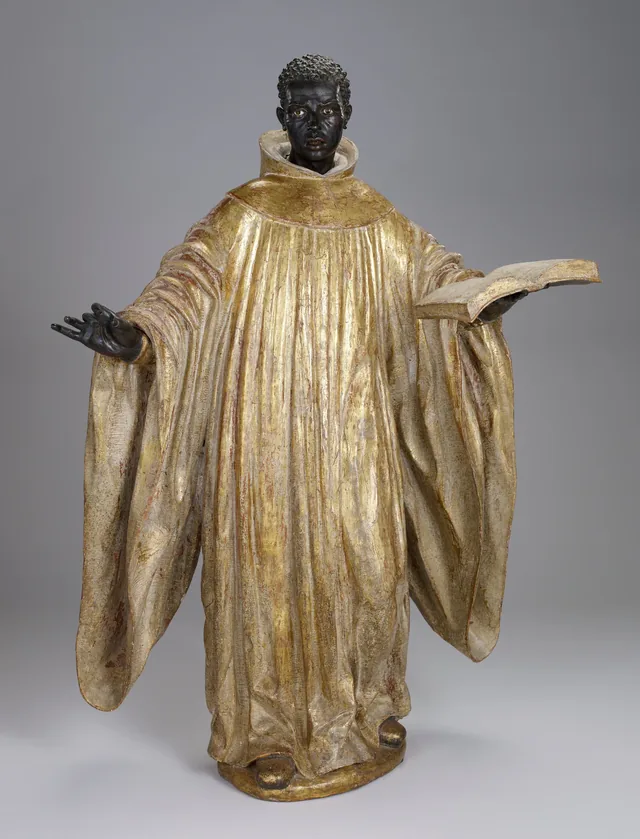
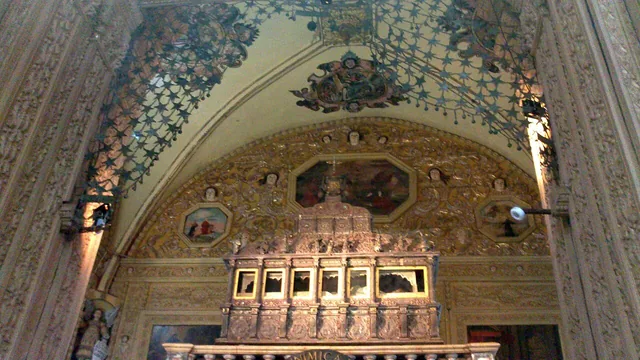
Benedict’s community chose its cook to become its guardian.
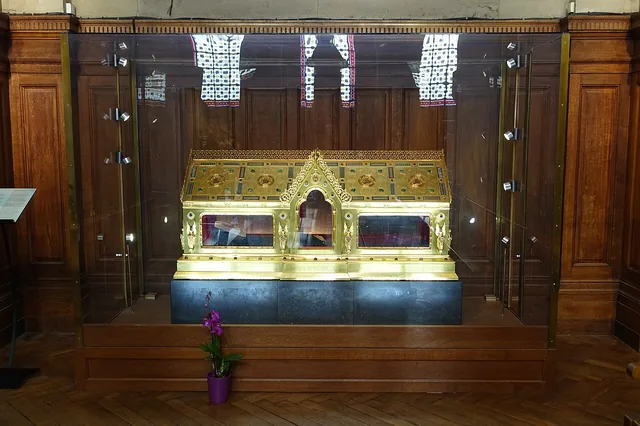
A Black Sicilian whose family history was shaped by slavery became a Franciscan leader. The fire that damaged his shrine in 2023 makes his life more important than an old image of the body.
France✦
Canonized saint
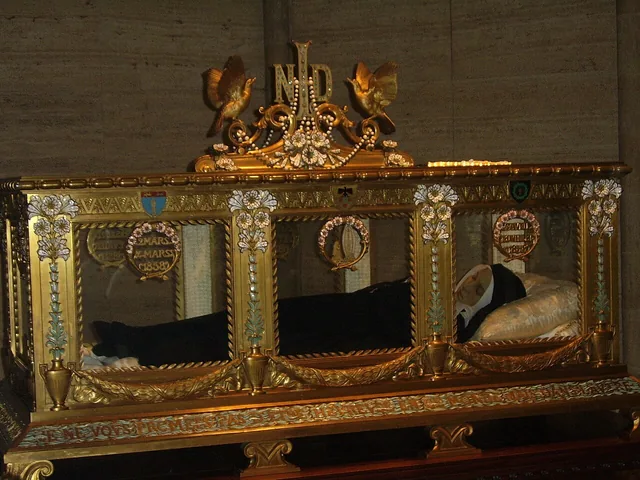
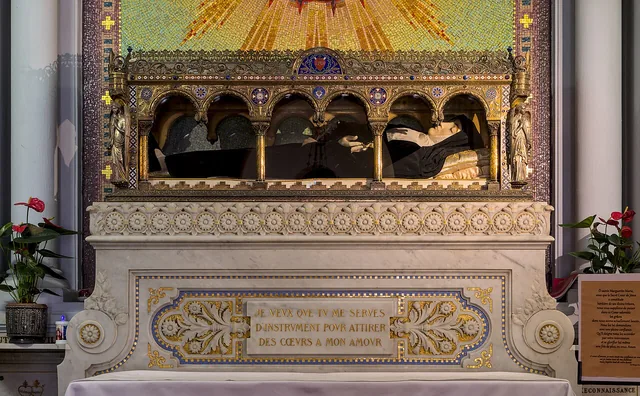
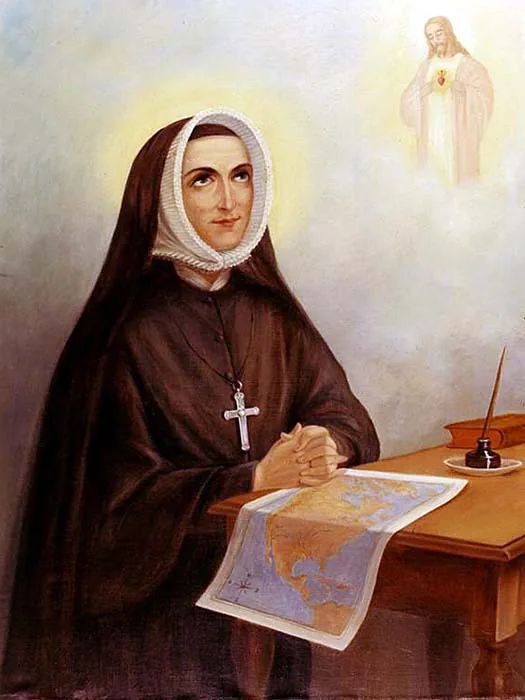
She refused payment for her story and chose a life of nursing and prayer away from the crowds.
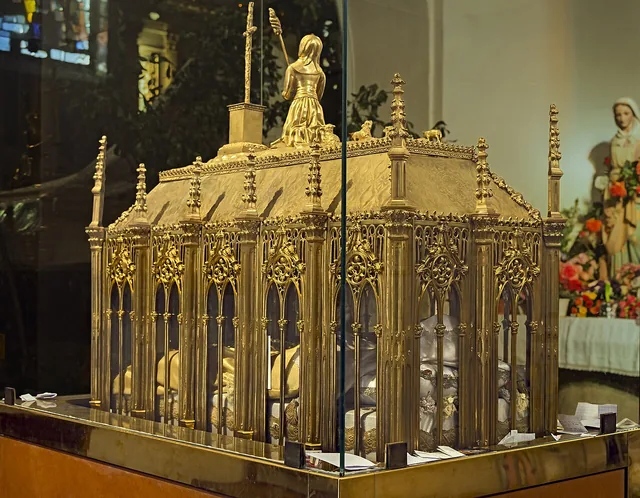
Bernadette could be witty, stubborn, and impatient with visitors. Her adult life at Nevers reveals the person behind the reported apparitions and the familiar reliquary.
Italy✦
Canonized saint
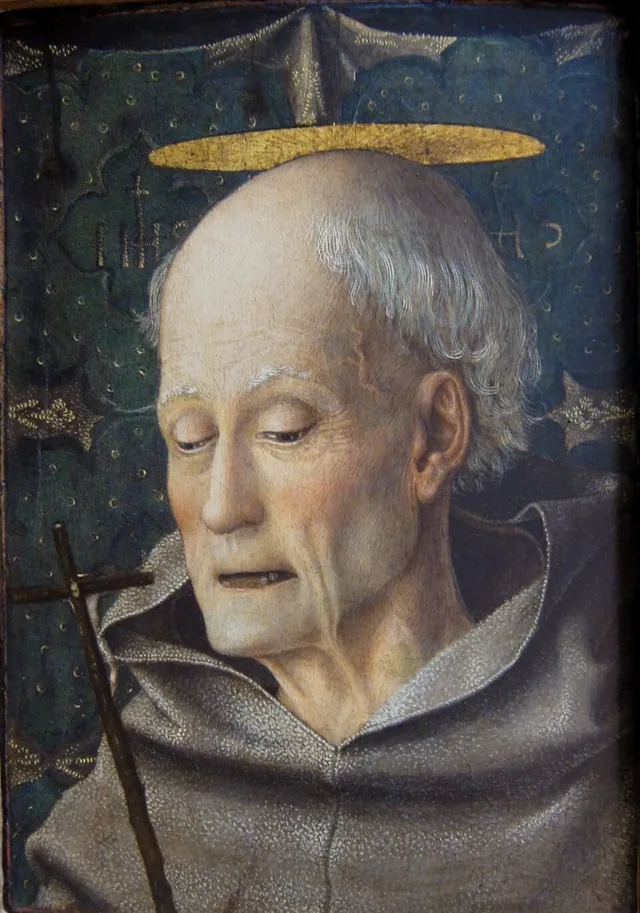
Bernardino preached to merchants, magistrates, and divided cities.
The Franciscan preacher carried the name of Jesus into public squares and questions of commerce. His legacy includes both reforming ambition and exclusionary judgments.
France✦
Historically venerated saint
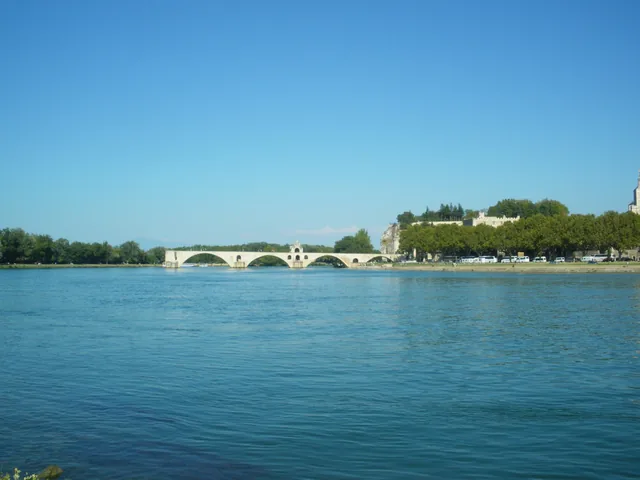
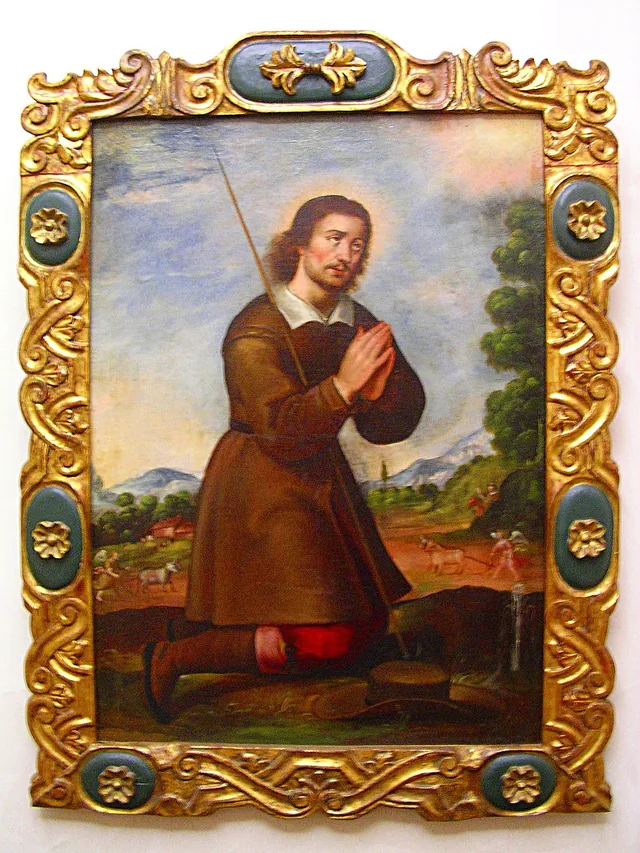
Bénezet’s remembered work was to get people safely across a river.
Avignon’s bridge gathers a young shepherd, a religious foundation and a lasting legend. Its construction history and the fate of his relics need to be told separately.
Italy✦
Canonized saint
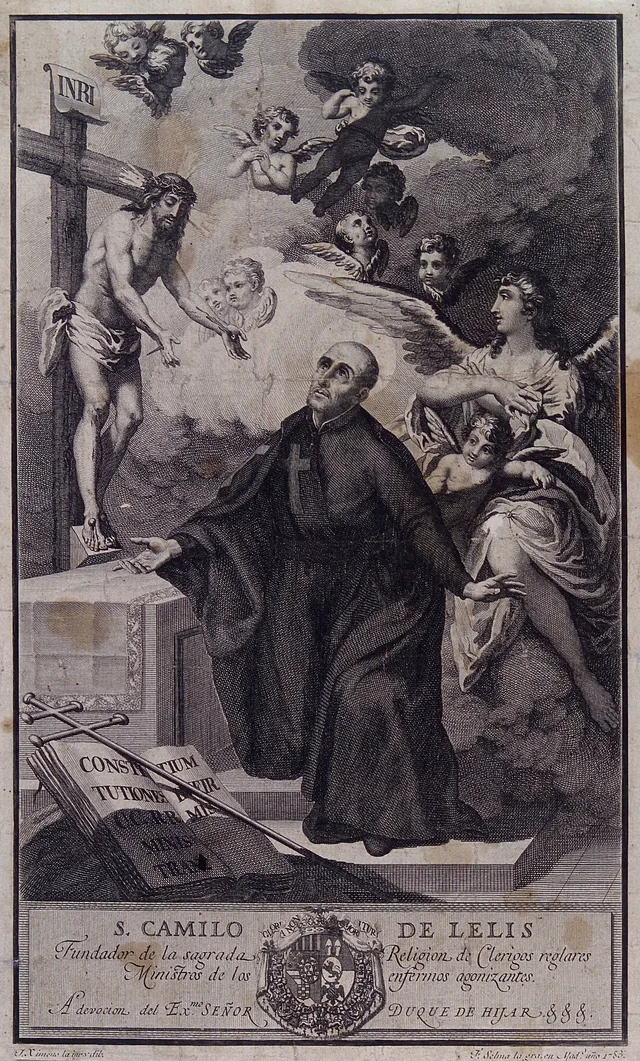
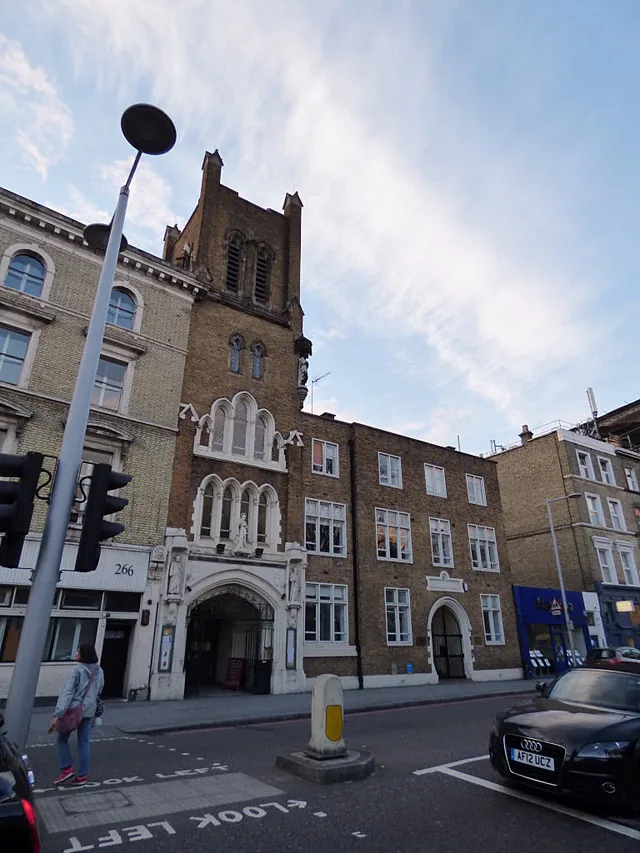
Camillus knew the hospital from the patient’s side of the bed.
Gambling had left him destitute; a persistent leg wound closed the religious life he first sought. His later vocation demanded that sick people receive both skilled attention and affection.
Italy✦
Canonized saint
He used the skills his friends asked for to serve his parish and people who needed help.
Computer projects, ordinary friendships, Eucharistic prayer, and a sudden illness: Carlo’s short life has more to offer than a photograph of his tomb.
Italy✦
Canonized saint
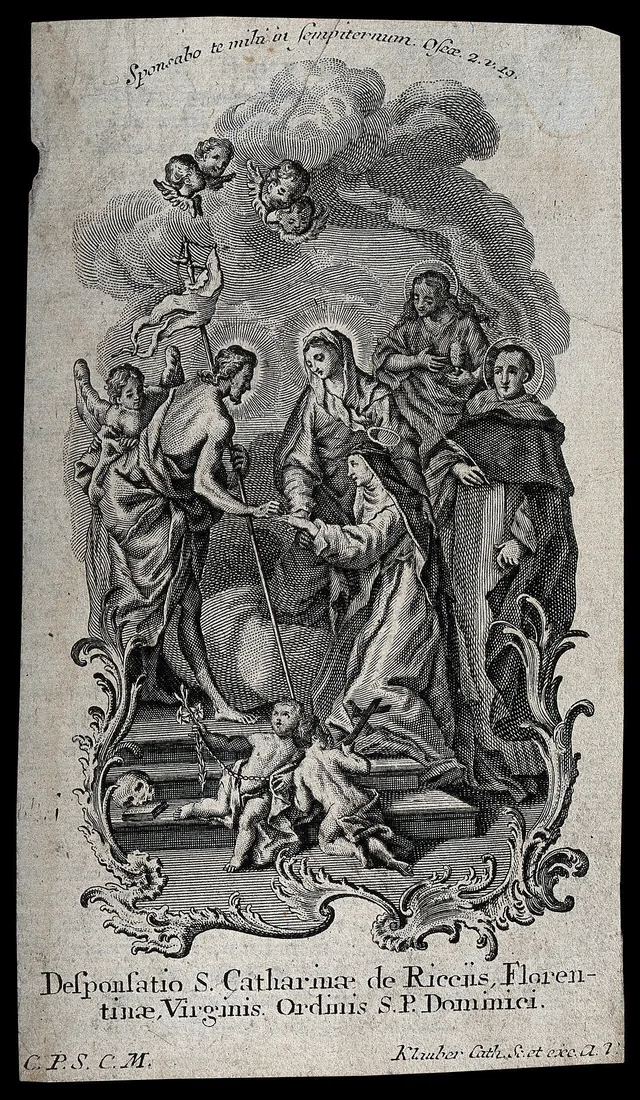
Catherine de’ Ricci: the visionary who had a monastery to run
Behind the accounts of ecstasy is a leader dealing with money, building work, family troubles and the needs of other women.
France✦
Canonized saint
The woman behind the Miraculous Medal spent her working life caring for people who were old and poor.
Catherine had to overcome her father’s opposition to enter the Daughters of Charity. The life that followed combined reported visions with decades of patient, practical service.
Italy✦
Canonized saint
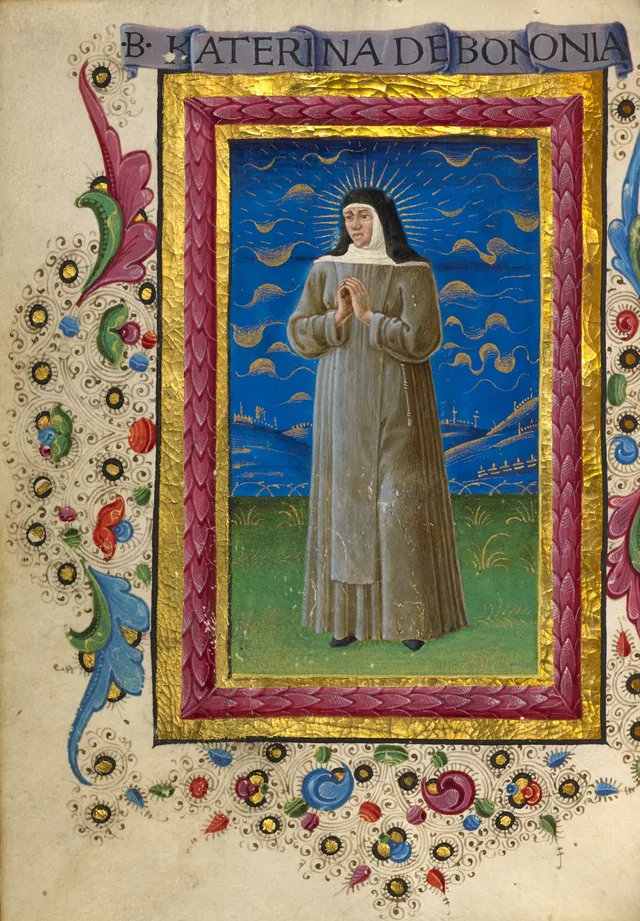
The artist who wrote for women afraid of failing
Catherine Vigri brought the skills of a Renaissance court into a Poor Clare monastery—and wrote frankly about the doubts that followed her there.
Italy✦
Canonized saint
The hospital administrator who changed how people imagined purgatory
Catherine Fieschi Adorno’s account of divine love took shape beside the sick of Genoa, amid the responsibilities of a difficult marriage and a working hospital.
Italy✦
Canonized saint
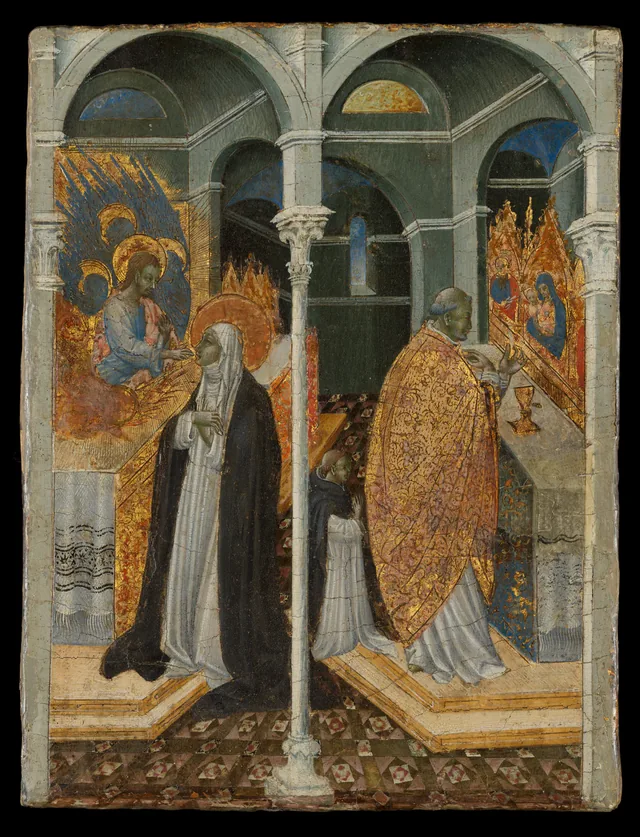
The woman who would not leave the pope in peace
Catherine Benincasa loved the Church fiercely enough to challenge its leaders. Her letters preserve both the force of that love and the difficult politics of her century.
Italy✦
Canonized saint
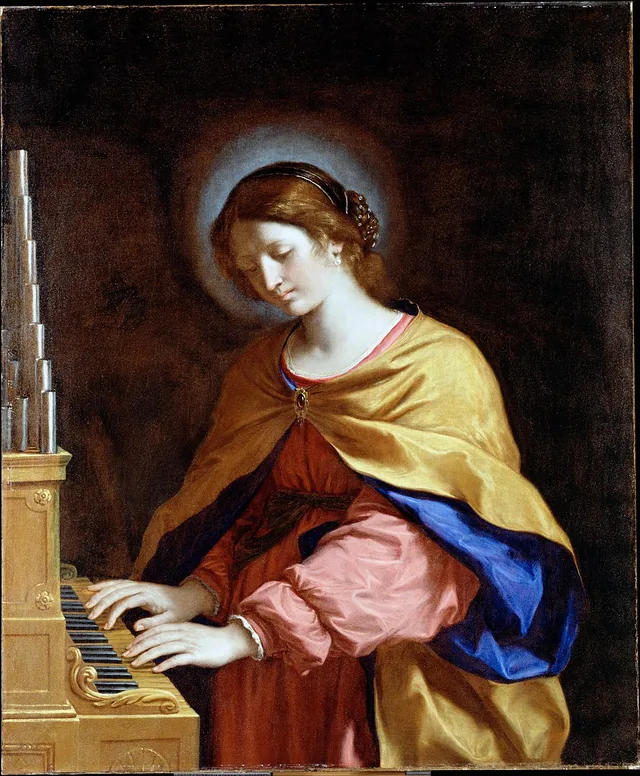
The Roman martyr behind the marble
Cecilia’s courage belongs to an old martyr tradition. Her shrine also rewards a closer look at the stories, sculptures, and attributed remains through which Rome remembers her.
Lebanon✦
Canonized saint
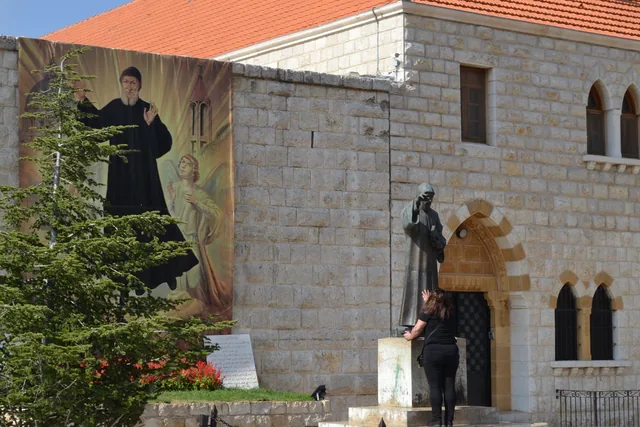
He left his village for a monastery and spent his final decades in a nearby hermitage.
Charbel’s prayer, manual work, and separation from family can be difficult to understand. The Church’s own accounts explain the purpose and cost of that Maronite vocation.
Italy✦
Canonized saint
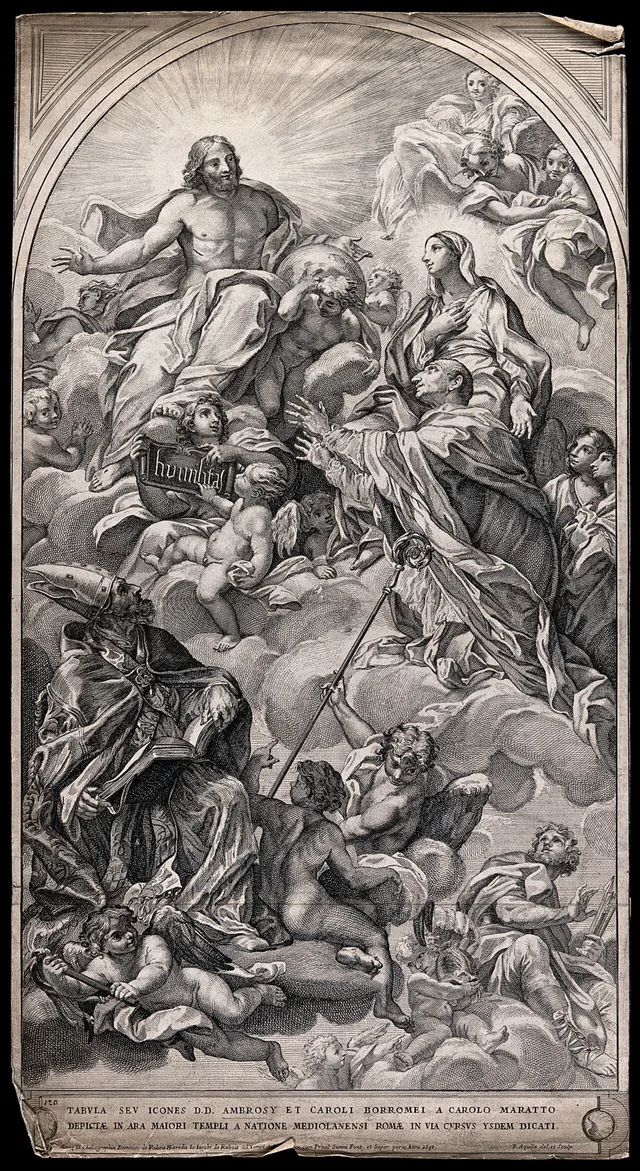
The archbishop who stayed during the plague
Charles Borromeo inherited the advantages of a powerful family. Reform required him to change what those advantages were for.
Italy✦
Canonized saint
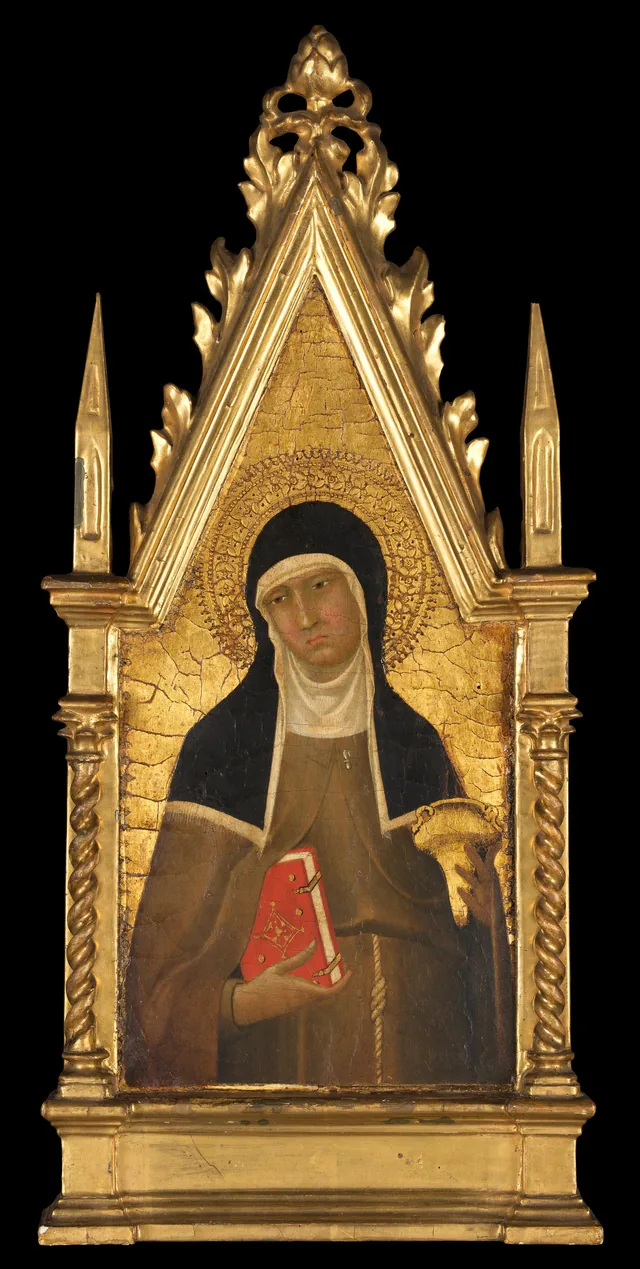
The woman who defended the right to own nothing
Clare’s departure from her family was only the beginning. At San Damiano she spent decades securing a lasting form of life for women who wanted to follow the poor Christ.
Italy✦
Canonized saint
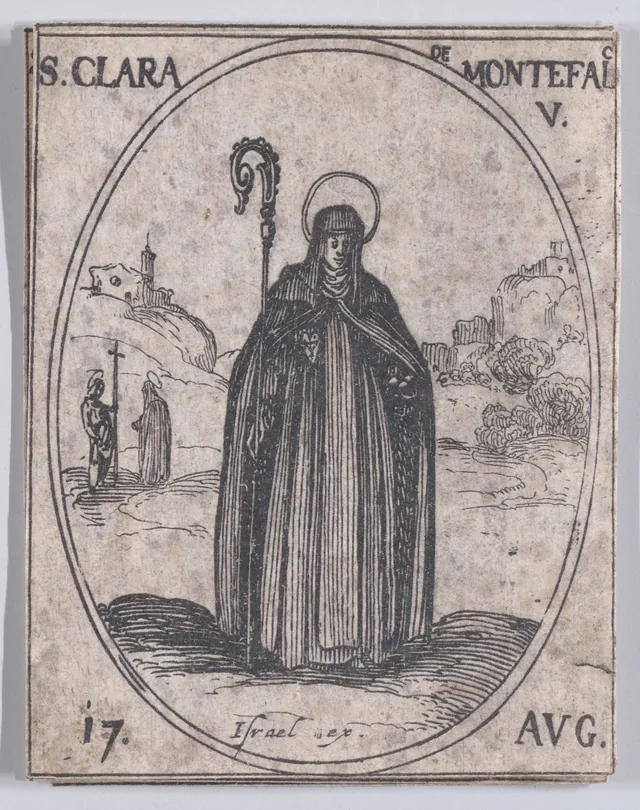
The abbess remembered for the cross in her heart
Clare of Montefalco’s life joined demanding leadership to years of spiritual dryness. The extraordinary relic story began with how her sisters understood her words.
Austria✦
Historically venerated saint
The stranger a frightened town killed
The story of Coloman asks what happens when unfamiliar speech is treated as evidence of danger. Melk’s patron has left a powerful memory and very little certain biography.
Italy✦
Canonized saint
The hunter remembered for admitting the damage
Conrad Confalonieri’s story begins with a fire, a wrongful accusation and a costly confession. His later solitude in Sicily gave Noto its patron hermit.
United Kingdom✦
Historically venerated saint
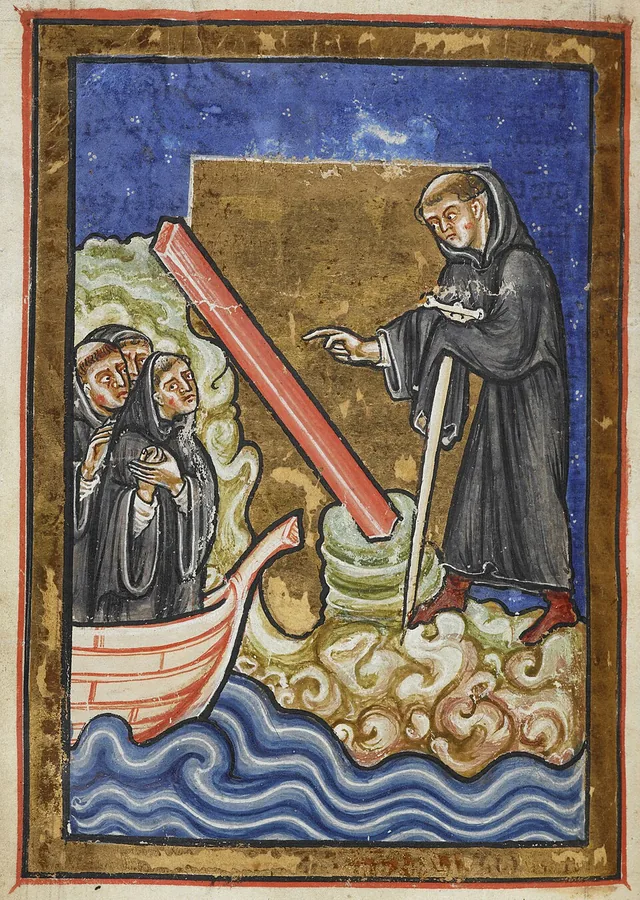
The hermit people kept asking to return
Cuthbert sought solitude on a Northumbrian island. His story kept bringing him back to remote villages, troubled visitors and the responsibilities of a bishop.
Spain✦
Canonized saint
He went to Rome as a pilgrim. Sick pilgrims needed a nurse.
Diego of Alcalá’s Franciscan vocation took him from Andalusia to the Atlantic and into an epidemic in Rome. His work gives substance to a reputation for charity.
Brazil✦
Canonized saint
She needed somewhere to put seventy patients. Her convent had a chicken house.
Dulce’s hospital began with shelter improvised for people left outside ordinary care. Schools, workers’ organizations and a lasting health service followed the same concern.
United Kingdom✦
Canonized saint
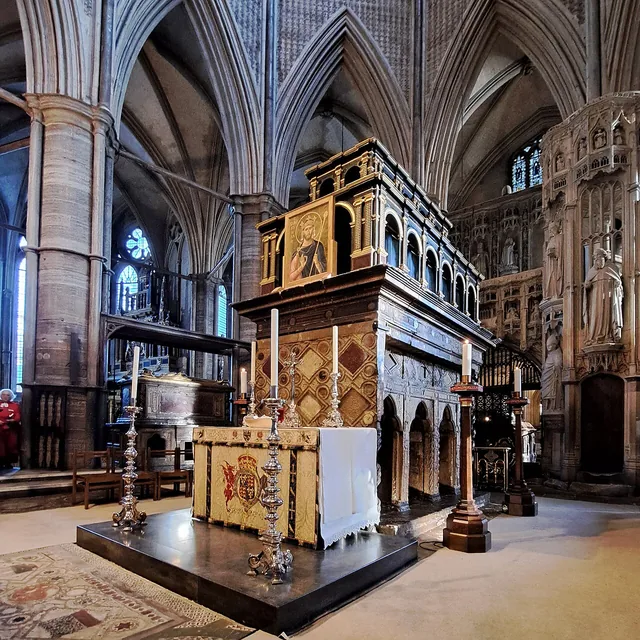
The king rebuilt Westminster. Later generations rebuilt his reputation around its shrine.
Edward’s abbey outlasted his kingdom. His story joins royal patronage, medieval sainthood and a tomb whose historical descriptions need careful reading.
Portugal✦
Canonized saint
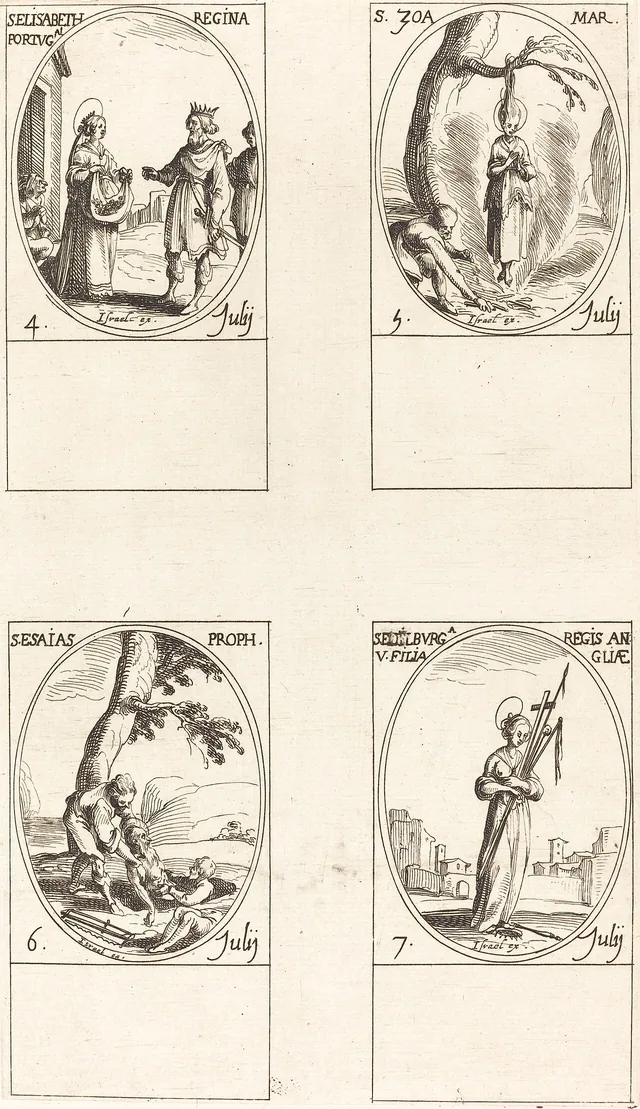
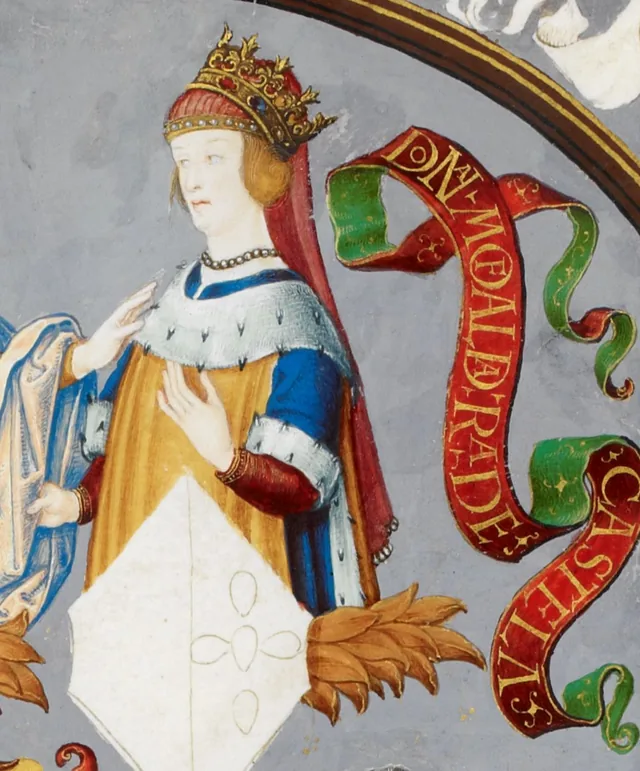
Elizabeth of Portugal: making peace inside a divided royal family
Her husband and son brought a family conflict toward war. The queen’s remembered response was to keep negotiating.
Italy✦
Canonized saint
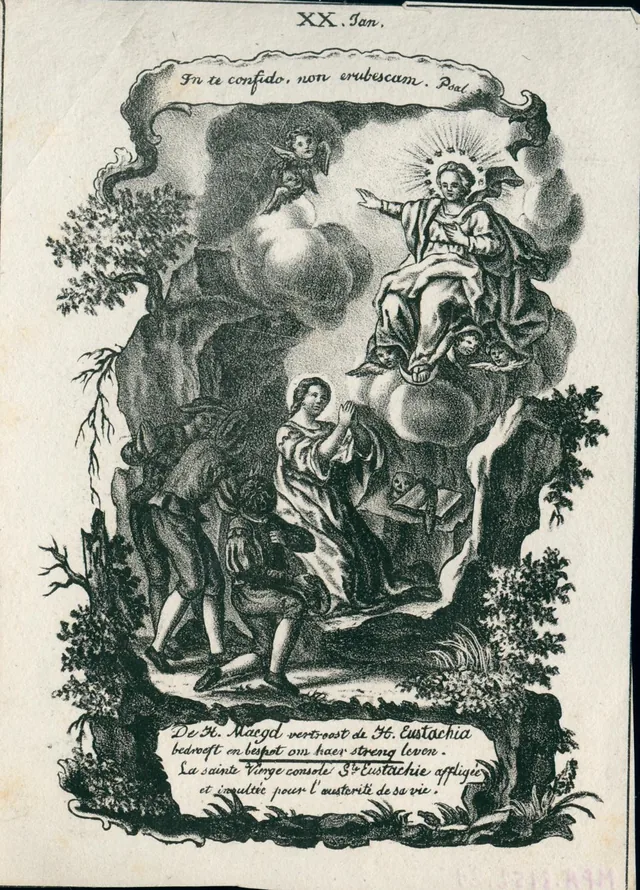
She wanted a different kind of monastery, and had to find somewhere to build it.
Eustochia’s commitment to Franciscan poverty became the practical work of founding Montevergine: permissions, benefactors, moves and a community of women.
Italy✦
Canonized saint
She helped build a religious community while caring for her sick husband.
Francesca Ponziani’s service grew inside a household marked by bereavement and a city troubled by hunger and disease. Her companions gave that work a future.
France✦
Canonized saint
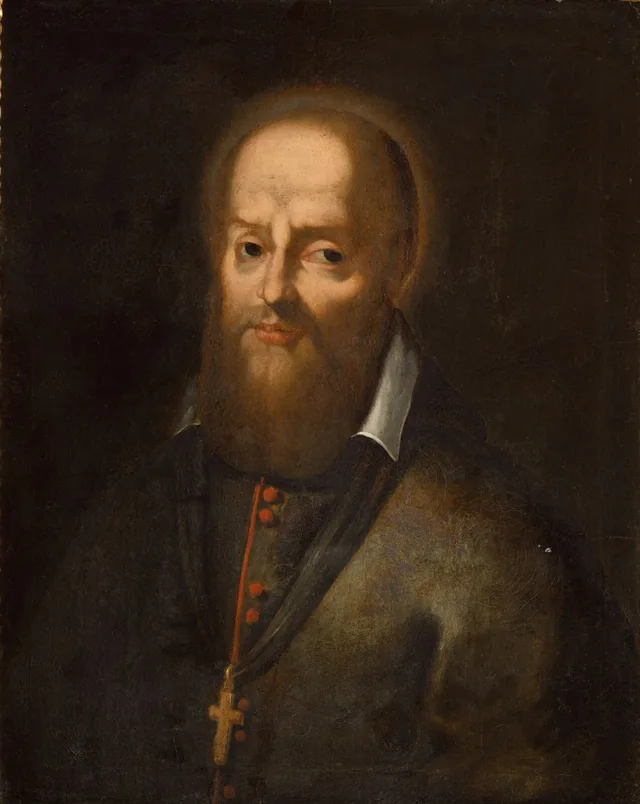
When the doors stayed closed, he put his arguments on paper.
Francis de Sales wrote for people with households and jobs, while his own ministry demanded patience across a divided religious landscape.
Italy✦
Canonized saint
The king wanted a cure. The hermit stayed to help him face death.
Summoned from Calabria to the French court, Francis of Paola carried a demanding religious life into a world of royal expectations and political interests.
India✦
Canonized saint
He crossed oceans to teach his faith, then found that zeal could not replace learning a language.
Francis Xavier’s journeys carried him from Paris to India and Japan. His letters and later history preserve courage, dependence on others and troubling ties between mission and colonial power.
France✦
Canonized saint
Pibrac remembers a shepherd whose neighbors failed to protect her.
Germaine’s story preserves prayer and generosity within a life of exclusion. Its later miracle traditions should not obscure the wrong done to a disabled young person.
United Kingdom✦
Historically venerated saint
The warrior became a hermit. His story kept changing as people retold it.
Guthlac’s life survives through Felix’s early biography, Old English adaptations and a medieval picture roll. These records reveal a religious ideal as well as a remembered person.
Italy✦
Blessed
At Arcella, Helen Enselmini’s quiet history survives beside Anthony’s famous one.
A young Poor Clare, a remembered illness and centuries of local devotion: Helen’s story asks for attention without pretending the surviving record is complete.
Italy✦
Blessed
A siege interrupted his preaching. The city needed food.
Blessed Ercolano’s remembered service at Lucca connects Franciscan preaching with hunger, civic responsibility and the work of founding communities.
United Kingdom✦
Canonized saint
Before he built a monastery, he demanded justice for the people displaced by it.
Hugh of Avalon combined Carthusian prayer with arguments about royal power, care of sick people and protection of Jewish neighbors. His lost remains have a separate, unsettled history.
Belgium✦
Blessed
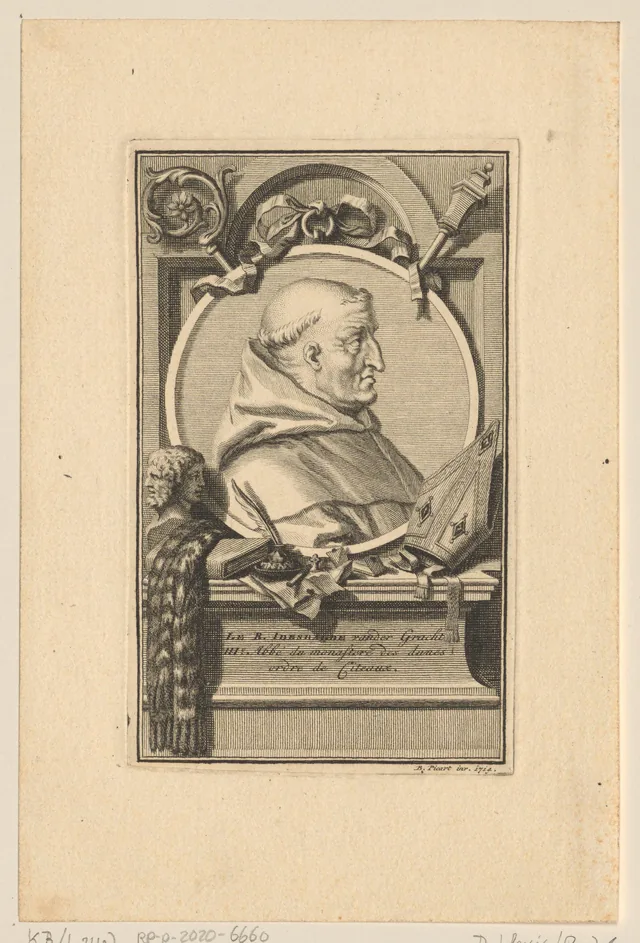
The bones in Idesbald’s shrine turned out to belong to someone else.
A Cistercian abbot’s long devotion meets a rare case in which published scientific testing could answer the identity question.
Italy✦
Blessed
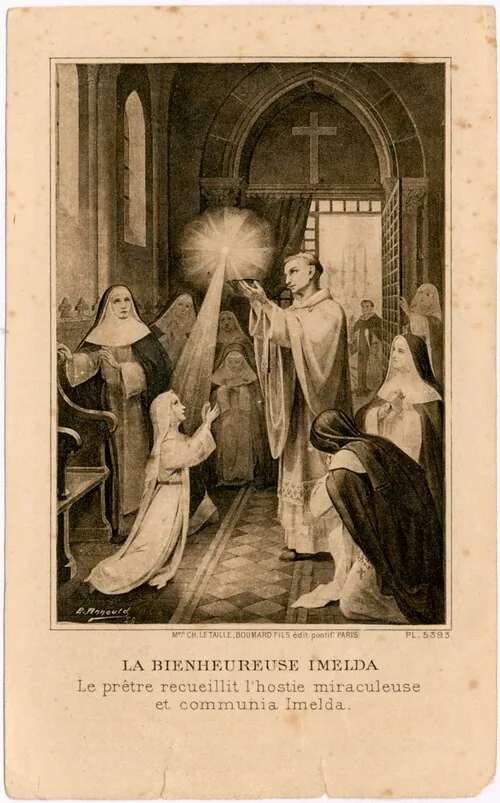
Imelda Lambertini’s story grew around a child’s longing for Communion.
The Eucharistic tradition has shaped generations of children. Bologna’s own historians also explain where the story’s documents begin—and what the shrine actually contains.
Spain✦
Canonized saint
Madrid’s farmer saint left a medieval story and a body that researchers could examine.
Isidore’s remembrance joins work, marriage, prayer and generosity. A 2022 investigation adds specific physical findings without turning every detail of the legend into established history.
Italy✦
Canonized saint
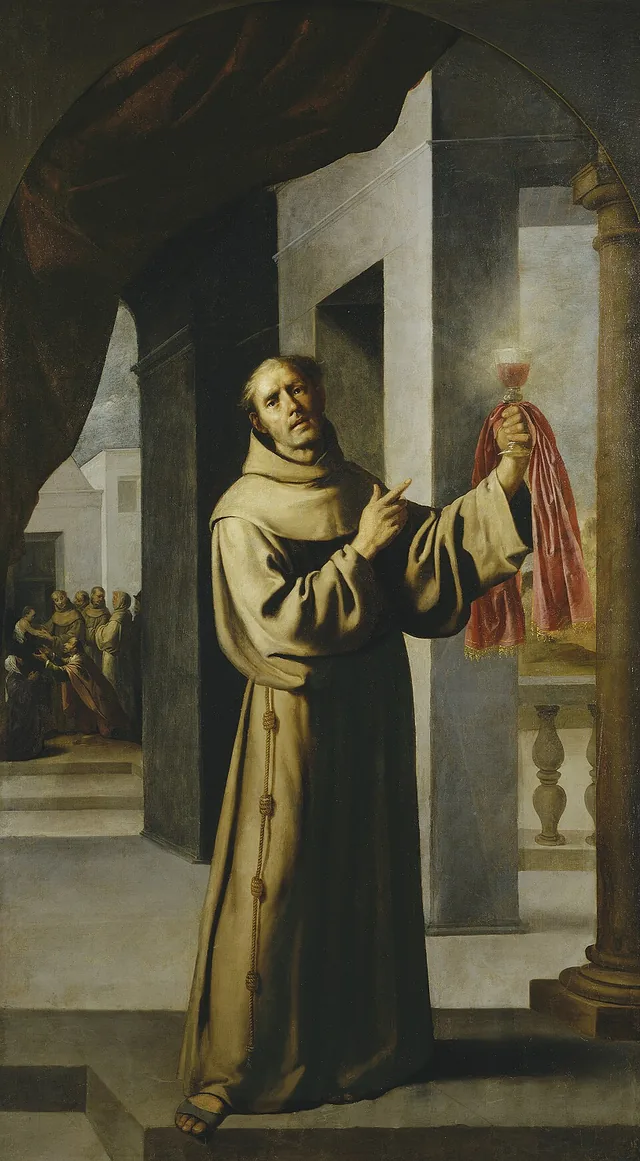
Behind the public sermons was a library of working books and questions about money.
James of the Marches used preaching, law and institutions to shape civic life. His work on debt also requires an honest account of the exclusion within his reforming world.
France✦
Canonized saint
Jeanne de Lestonnac had to leave the monastery before she found her life’s work.
A mother, widow and failed novice became the founder of a teaching order. Her decisive insight concerned the girls who still needed a hand.
Spain✦
Canonized saint
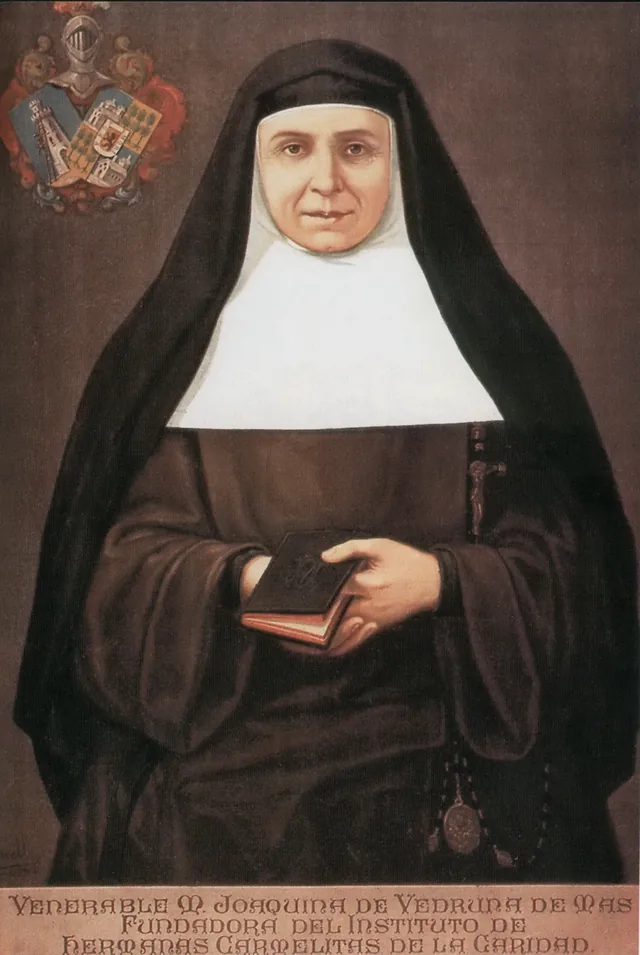
A widowed mother built a community that could teach and care through years of upheaval.
Joaquina de Vedruna’s family responsibilities preceded her foundation and continued to shape its practical purpose. War twice forced her to leave home.
Italy✦
Canonized saint
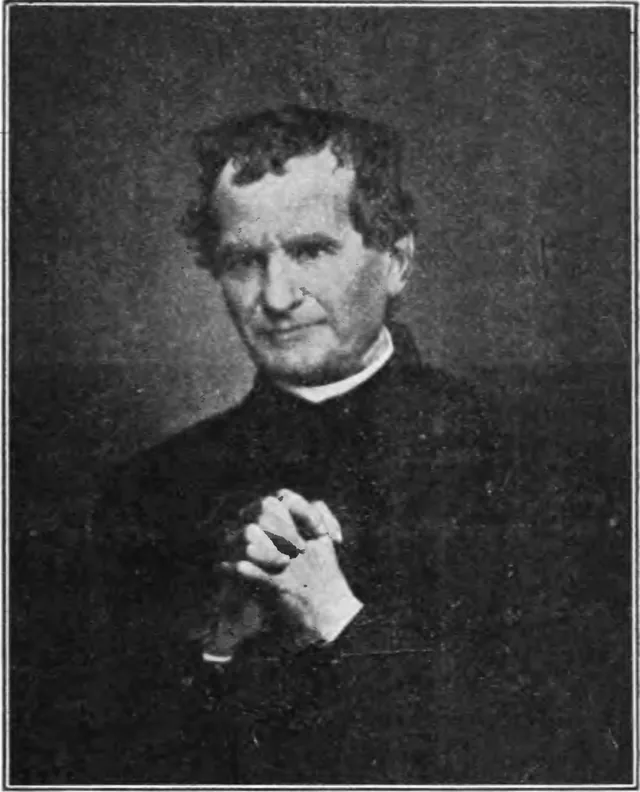
He offered young workers a place to learn. Keeping it open took more than one man.
John Bosco’s Turin project grew through rented rooms, education, family help and an argument against humiliating discipline. His own writing lets us examine what he meant by care.
United States✦
Canonized saint
He crossed the Atlantic without a secure place waiting for him, then spent his life helping other newcomers.
Neumann’s immigrant ministry required languages, schools, religious colleagues and years away from home. His letters preserve the longing that a simple success story can miss.
Spain✦
Canonized saint
The imprisoned poet who later opposed his own leaders
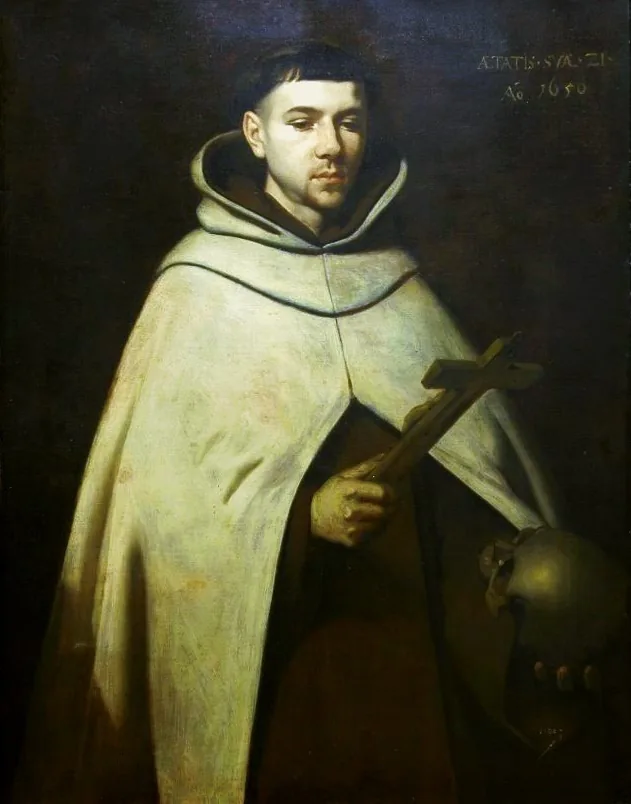
John of the Cross wrote about freedom through love while negotiating the harsh politics of Carmelite reform.
United Kingdom✦
Canonized saint
Repeated arrests did not end his work among Westminster’s sick and poor.
John Southworth’s priesthood carried a death sentence under English law. His ministry, execution and deliberately preserved remains form three connected parts of the record.
France✦
Canonized saint
A parish priest who repeatedly wanted to leave
John Vianney struggled with his own adequacy while making a small French parish a place of confession, education and practical help.
Vatican City✦
Canonized saint
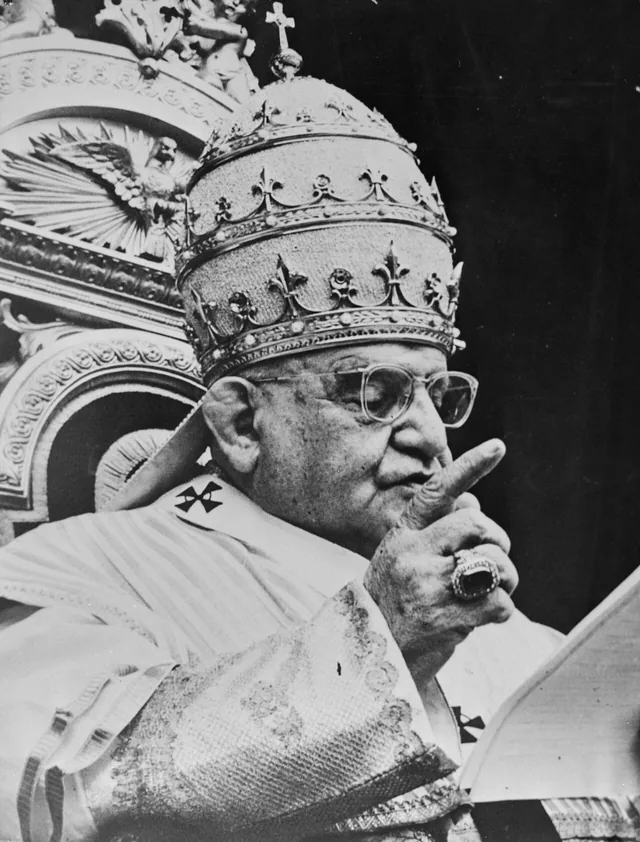
An elderly pope set a great council in motion and asked the Church to speak with mercy.
Angelo Roncalli had worked among soldiers, displaced people, and divided Christian communities before he became John XXIII. His own words make a better introduction than the appearance of his remains.
Vatican City✦
Canonized saint
A church union pursued amid a struggle over churches
Josaphat’s Catholic veneration belongs alongside a difficult history of rival hierarchies, control of parishes and fatal violence.
Belgium✦
Canonized saint
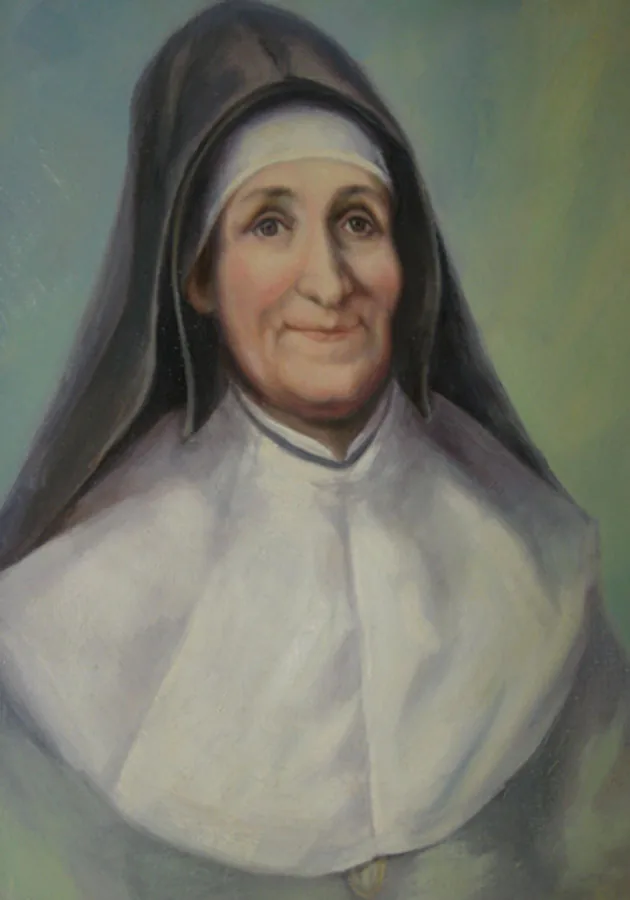
She began a teaching congregation before she could walk again
Julie Billiart’s work grew through disability, friendship and a difficult move from France to Namur.
Canada✦
Canonized saint
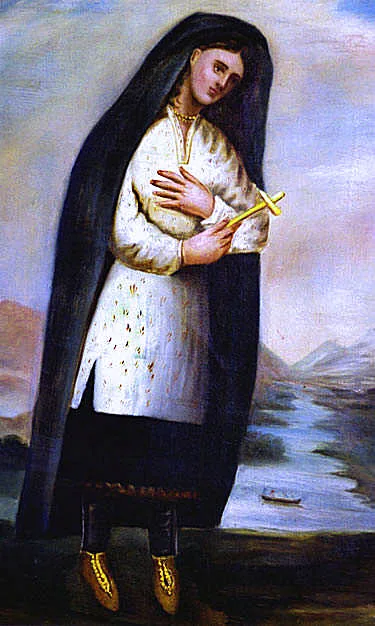
She chose a demanding Christian life with the help of Indigenous friends and teachers.
Kateri’s decisions unfolded amid epidemic disease, family conflict, and colonial violence. The reported change in her face after death is only one part of her story.
Italy✦
Canonized saint
A school director who had to ask for money
Leonardo Murialdo gave working boys training and support, while debt made the limits of charitable institutions painfully real.
Spain✦
Canonized saint
The missionary who returned to training novices
Louis Bertrand’s seven years in New Granada belong within a longer Dominican life of teaching, study and contested colonial evangelization.
Italy✦
Canonized saint
Teaching girls required teaching the teachers
Lucy Filippini helped turn a local educational initiative into a continuing community of women educators.
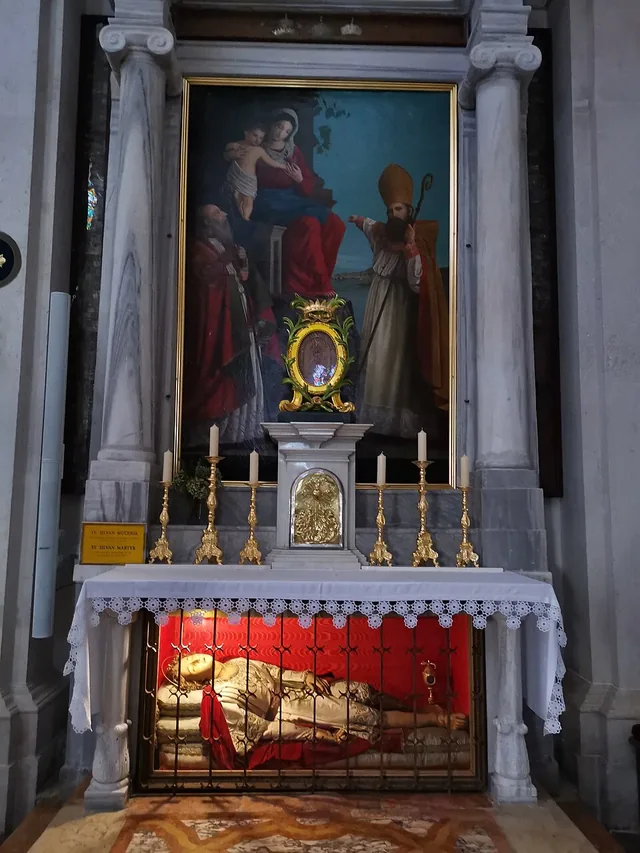
Italy✦
Historically venerated saint
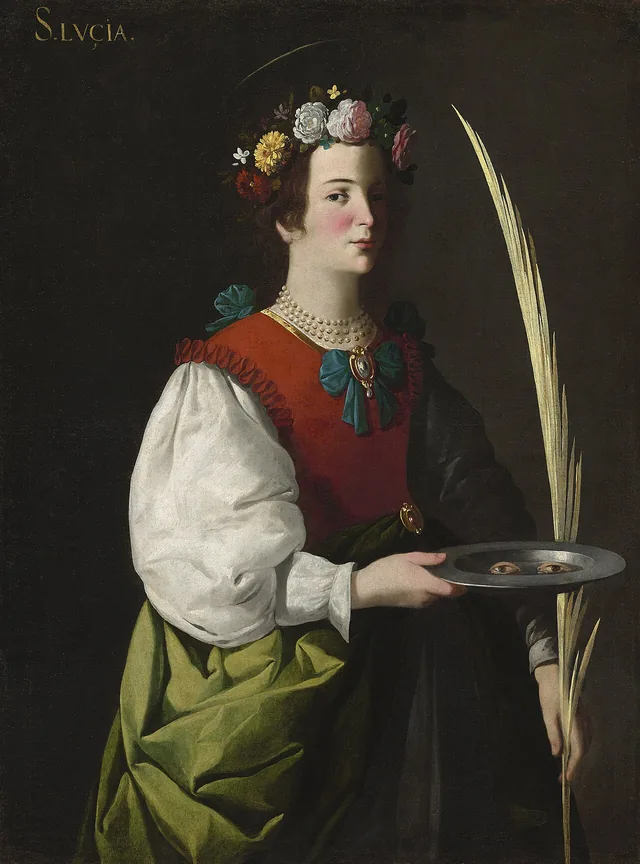
Lucy of Syracuse: a martyr’s refusal, remembered across two cities
Her early cult is firmer evidence than the familiar details of her life. Syracuse and Venice preserve different parts of her long history.
Italy✦
Canonized saint
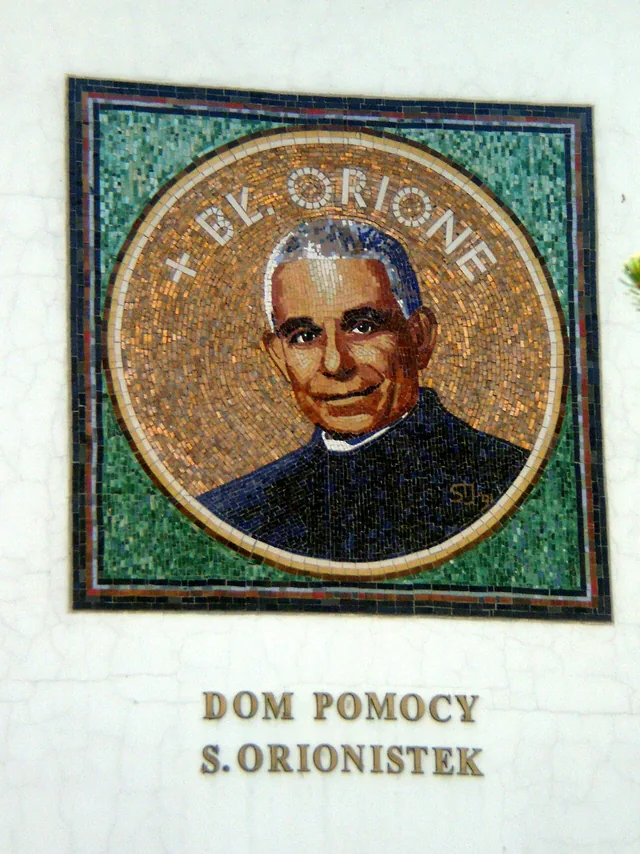
Luigi Orione: a road worker’s son who made room for people left without help
Illness interrupted his first religious path. Schools, earthquake relief and homes of care became the work through which he pursued it.
France✦
Canonized saint
Sophie Barat built girls’ schools on an education she first received at home.
Classics, mathematics and a life of prayer equipped a young Frenchwoman to build a school community after the Revolution. She spent the rest of her life keeping its purpose alive.
Portugal✦
Blessed
A royal will with instructions for the infirmary
Mafalda used property and influence to shape Arouca’s religious life; her testament brings the story down to bedding for sick people.
France✦
Canonized saint
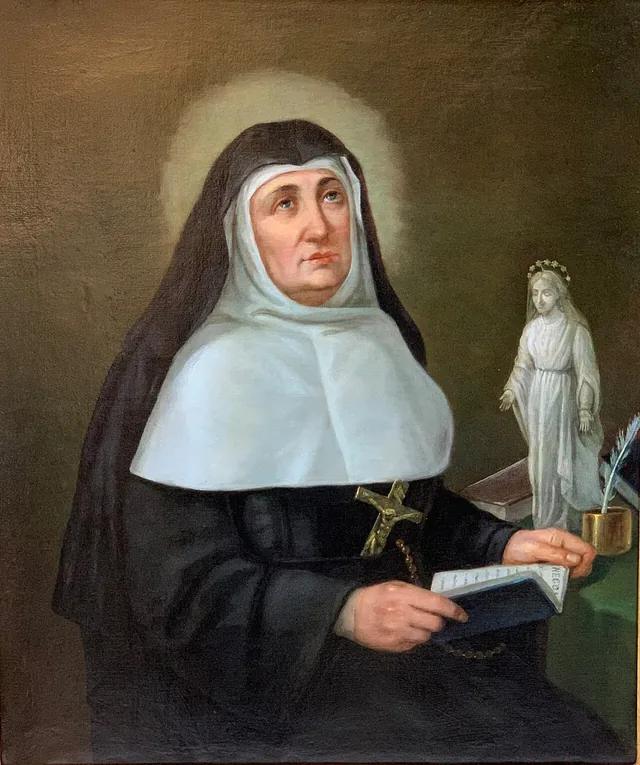
The woman behind an image seen in churches around the world
Margaret Mary’s reported visions traveled through writing, spiritual direction and the slow reception of a devotion centered on Christ’s love.
Italy✦
Canonized saint
The cure did not happen; her life continued
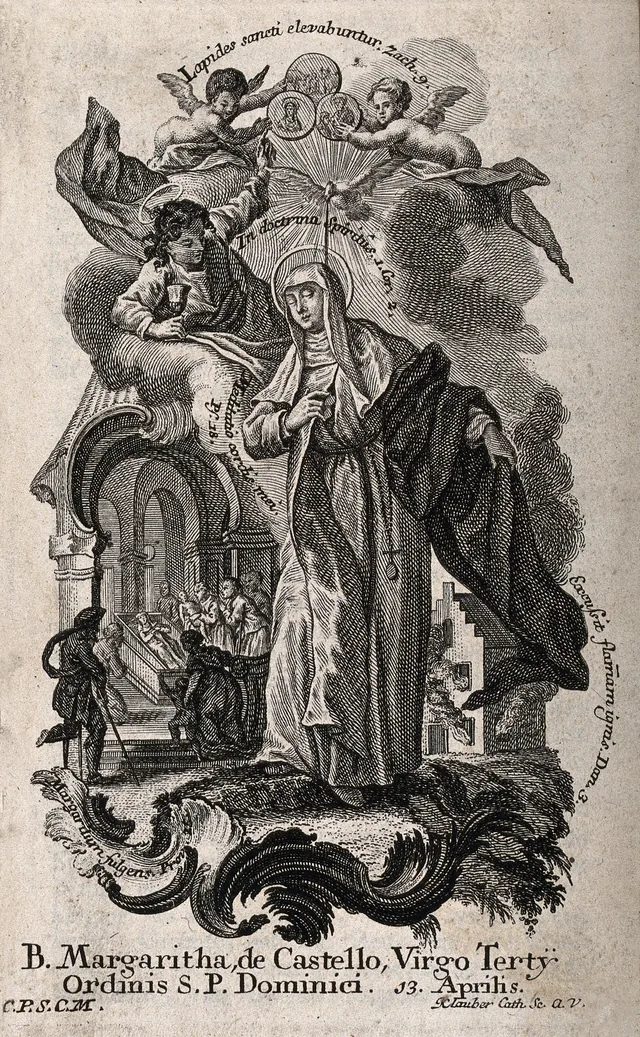
Margaret of Castello’s medieval story concerns abandonment, hospitality and the contribution of a woman living with blindness and other disabilities.
Italy✦
Canonized saint
She arrived in Cortona with a son to care for. Later, she helped the city care for its sick.
A Franciscan penitent’s life includes grief, family, difficult self-discipline, and the practical work of building a hospital. Her preserved remains have a history of human intervention.
Italy✦
Canonized saint
Maria Mazzarello could no longer work the fields. She learned another way to serve.
After nursing relatives during a typhus outbreak, a strong farm worker lost the strength her work required. A sewing room became the beginning of a different vocation.
Italy✦
Canonized saint
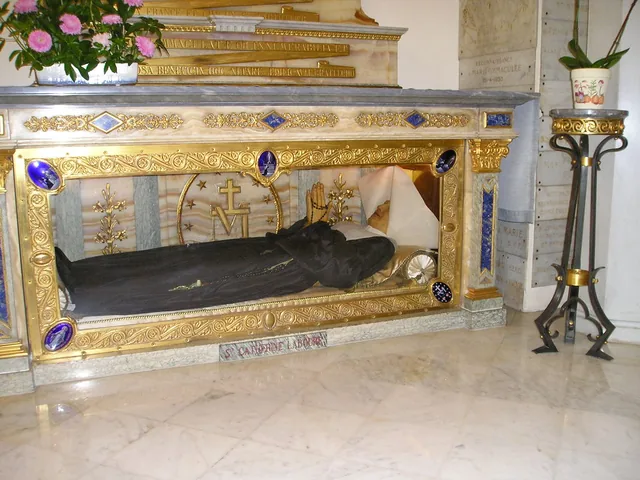
Before she became a saint, Maria was a child helping her family survive.
Her short life asks adults to face a child’s poverty, her right to safety, and the meaning of forgiveness. The figure in her glass casket encloses bones.
Peru✦
Canonized saint
The brother sent to care for sick friars also cared for people the city ranked beneath them.
A barber’s apprentice became a Dominican brother known for nursing and practical charity. His mixed ancestry shaped the barriers he faced in colonial Peru.
Italy✦
Canonized saint
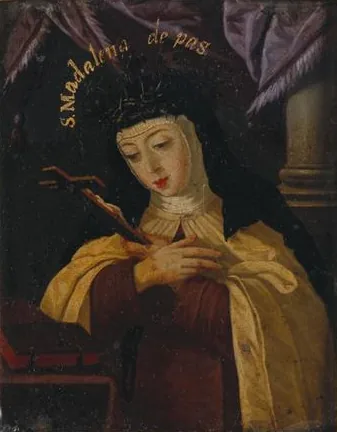
The nun who asked the Church to change
Mary Magdalene de’ Pazzi taught novices, dictated urgent appeals to Church leaders, and endured years when prayer brought little comfort.
Ecuador✦
Canonized saint
A seamstress who made room for prayer and other people
Narcisa de Jesús earned her living in Guayaquil, taught children and chose an exacting religious life while remaining a laywoman.
Italy✦
Canonized saint
Thirty years available to one town
Nicholas of Tolentino built his reputation through confession, care for sick neighbours and prayer for the dead.
Italy✦
Blessed
Osanna Andreasi: a Dominican laywoman with the Gonzagas’ ear
She remained in her family home, wrote to the ruling family of Mantua and offered care beyond the court.
Italy✦
Canonized saint
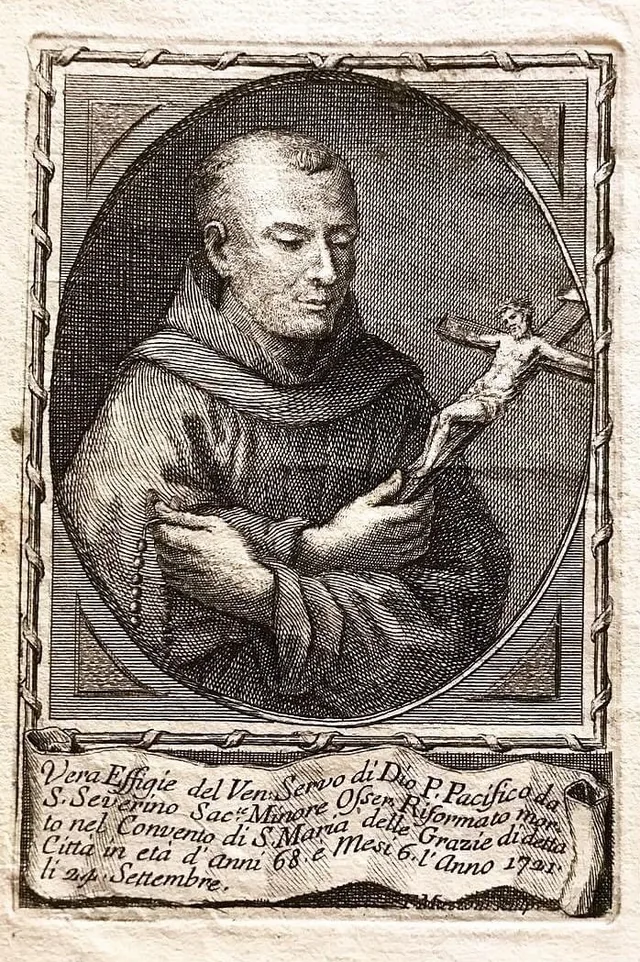
When the preacher could no longer travel
Pacificus of San Severino taught philosophy and preached before years of disability changed the shape of his Franciscan life.
Italy✦
Canonized saint
The friar people sought for prayer also wanted them to have a hospital.
Padre Pio’s life involved illness, scrutiny, crowded confessionals, and the long work of building a place to relieve suffering. The 2008 exhumation tells a separate, detailed story.
Italy✦
Canonized saint
Paola Frassinetti’s first teachers worked at night to keep their school open.
Her own childhood had been crowded by household care. She built a community that sought girls where poverty and work had left little room for education.
Italy✦
Canonized saint
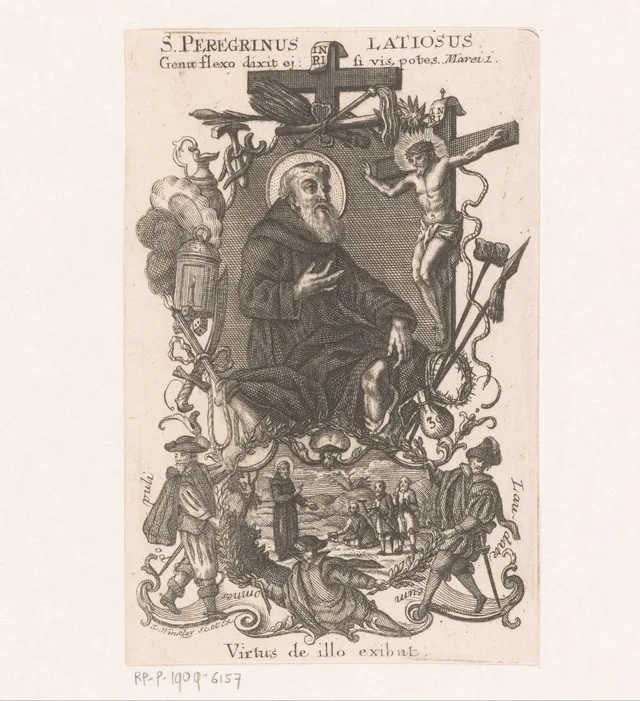
The change of life behind a patron of cancer patients
Peregrine Laziosi’s received story begins with political hostility and turns towards repentance, service and a serious illness.
France✦
Canonized saint
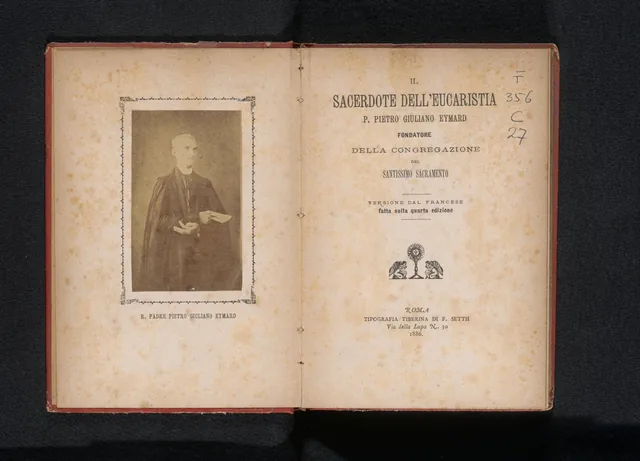
Adoration with the door open to working people
Peter Julian Eymard left an established religious community to build a Eucharistic mission that included adults excluded from ordinary parish preparation.
Italy✦
Canonized saint
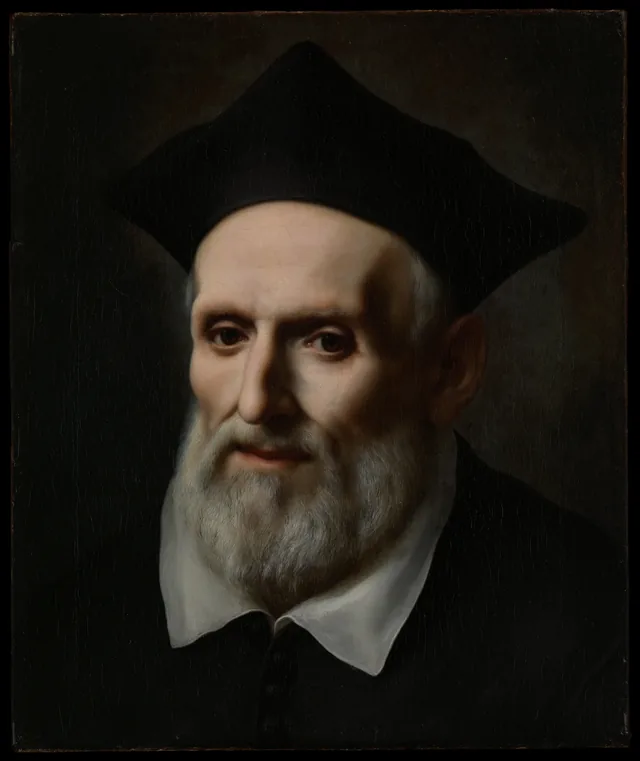
A room, a conversation, a different kind of community
Philip Neri’s Roman work grew through friendship, confession, hospital visits and a form of religious life held together by charity.
Vatican City✦
Canonized saint
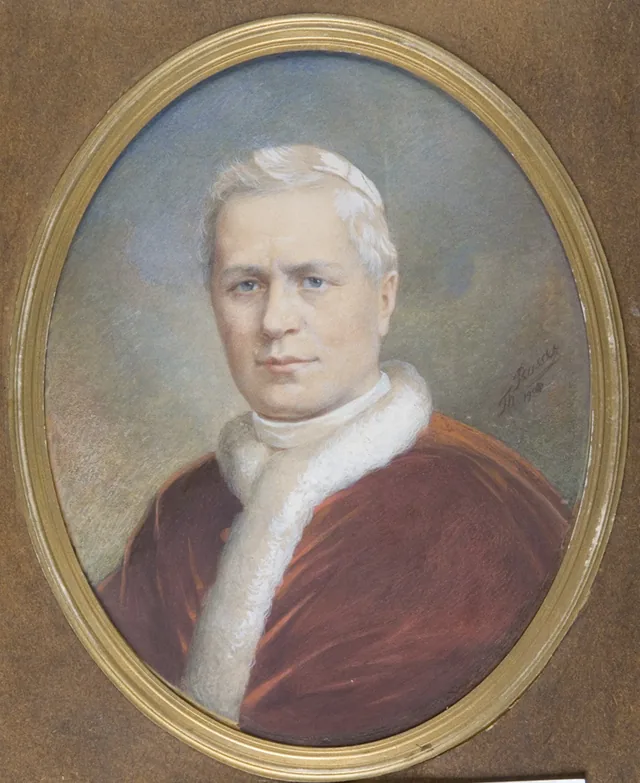
The parish priest whose decisions reached every parish
Pius X widened access to Communion and reorganized Catholic institutions while imposing strong controls on theology.
Italy✦
Canonized saint
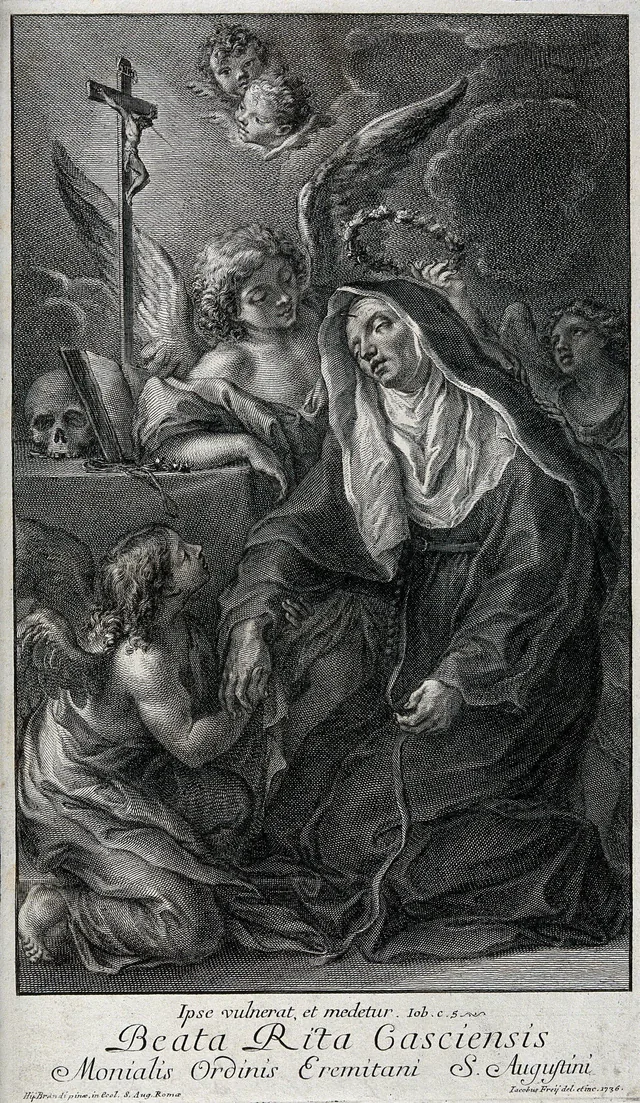
Refusing to pass the feud on
Rita of Cascia is remembered as a wife, bereaved mother and Augustinian nun whose forgiveness challenged a family’s expectations.
Italy✦
Canonized saint
Solitude needed a community
Romuald’s monastic experiment gave hermits a rule, companions and a place to welcome other people.
Peru✦
Canonized saint
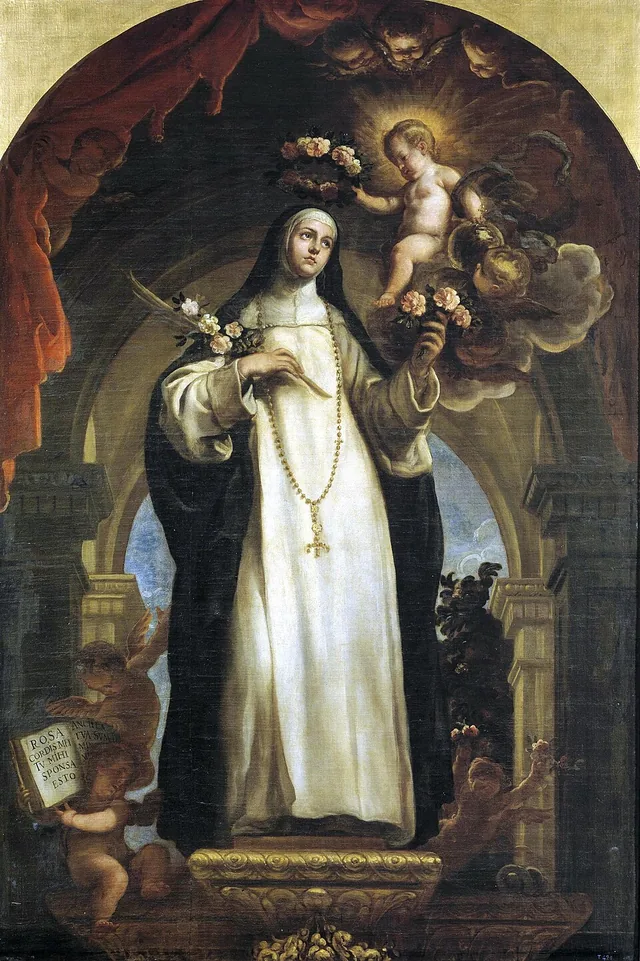
The garden was also a place of work
Rose of Lima’s lay vocation joined sewing, gardening, care of sick people and an intense religious life in a colonial city.
Italy✦
Historically venerated saint
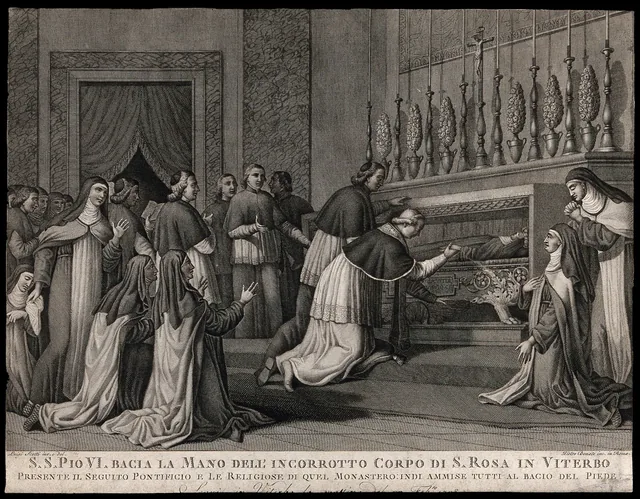
A young woman in a city that could expel her
Rose of Viterbo’s short public religious life became a lasting civic devotion. The earliest accounts and later expansions need to be read separately.
United States✦
Canonized saint
Schools, prayer and a history that requires candour
Philippine Duchesne crossed the Atlantic to build schools. Her record also includes participation in slavery and a mission among forcibly displaced Potawatomi people.
Italy✦
Canonized saint
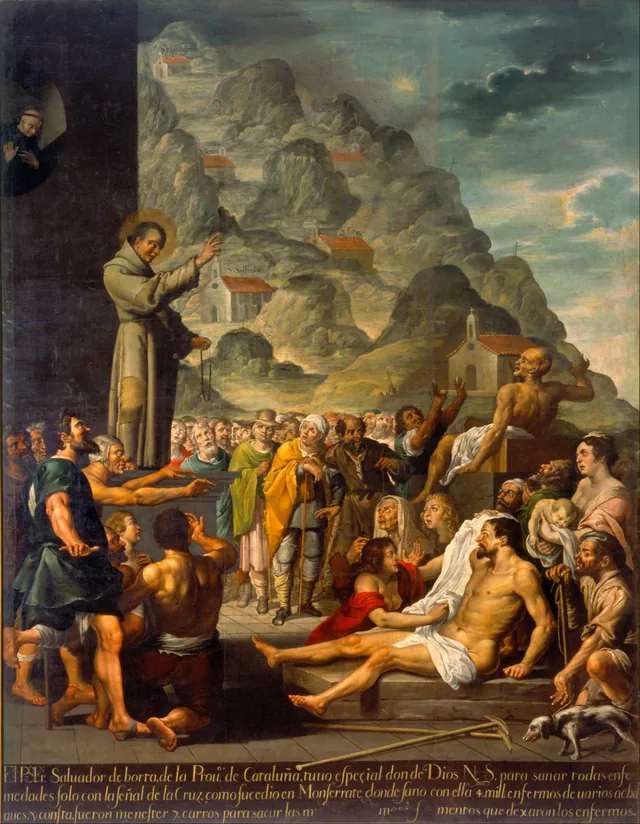
The brother whose reputation would not stay quiet
Salvador of Horta’s Franciscan life moved between ordinary convent work, crowds seeking healing and repeated transfers.
Croatia✦
Local veneration; identity uncertain
A familiar-looking face conceals how little we know about the person remembered here.
The Dubrovnik church guide identifies bones inside a wax figure. The missing biography deserves as much honesty as the description of the display.
Italy✦
Historically venerated saint
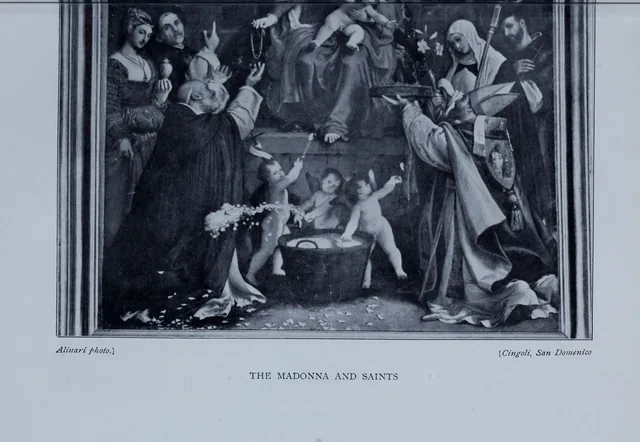
A woman remembered more clearly than her itinerary
Cingoli’s patron belongs to the history of women’s religious communities, though the surviving early evidence leaves much of her personal story uncertain.
Lebanon✦
Blessed
The work that kept a monastery and its neighbours going
Blessed Stephen Nehmé’s Maronite vocation took shape in fields, workshops, community responsibilities and help during wartime.
Italy✦
Canonized saint
She worried that she did not love enough, while sick sisters kept asking for her care.
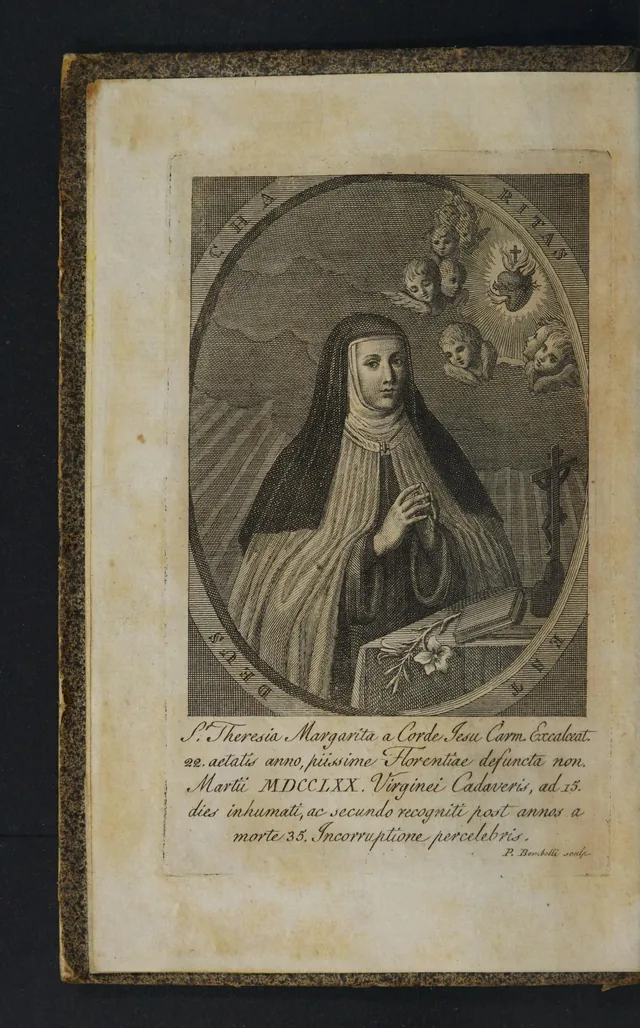
A young Carmelite’s letters, friendships, nursing, and difficult prayer give substance to a life that ended at twenty-two.
Spain✦
Canonized saint
She learned how to begin again—and helped generations learn to pray.
Teresa knew distraction, illness, and the fear of failing at prayer. Her response became books, friendships, and communities that gave other people a way forward.
Italy✦
Canonized saint
Returning to the city he wanted to leave
After fire destroyed Gubbio’s canonry, Ubald was persuaded to return. His later episcopate made rebuilding and civic responsibility part of his vocation.
Poland✦
Canonized saint
An educator who kept starting again across borders
Ursula Ledóchowska’s schools and communities survived restrictions, war and expulsion because she kept finding new settings for the work.
Spain✦
Venerable
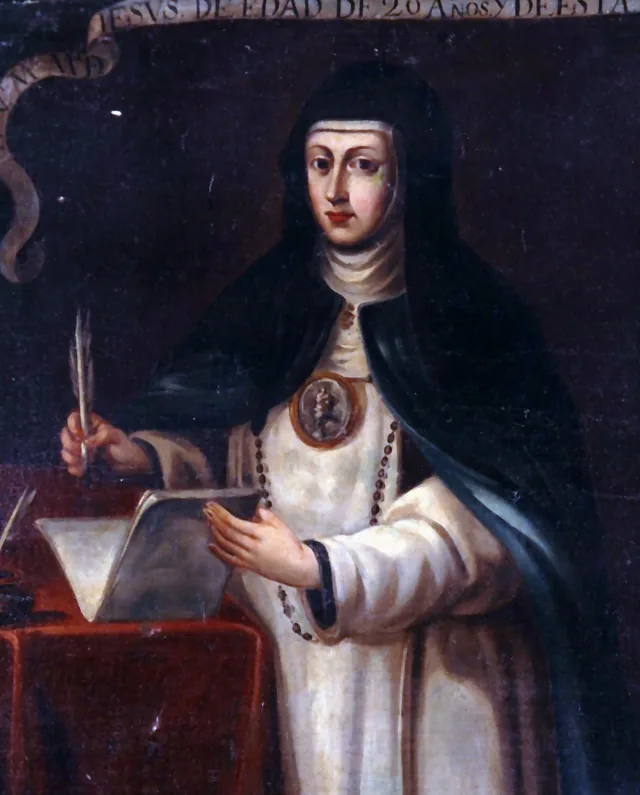
An abbess with a king’s letters on her desk
María de Jesús of Ágreda wrote about Mary, advised Philip IV and became part of a contested missionary story across the Atlantic.
Italy✦
Canonized saint
A woman required to put an inner life into words
Veronica Giuliani’s enormous diary records a difficult spiritual life lived under scrutiny, alongside years of teaching and governing a monastery.
France✦
Canonized saint
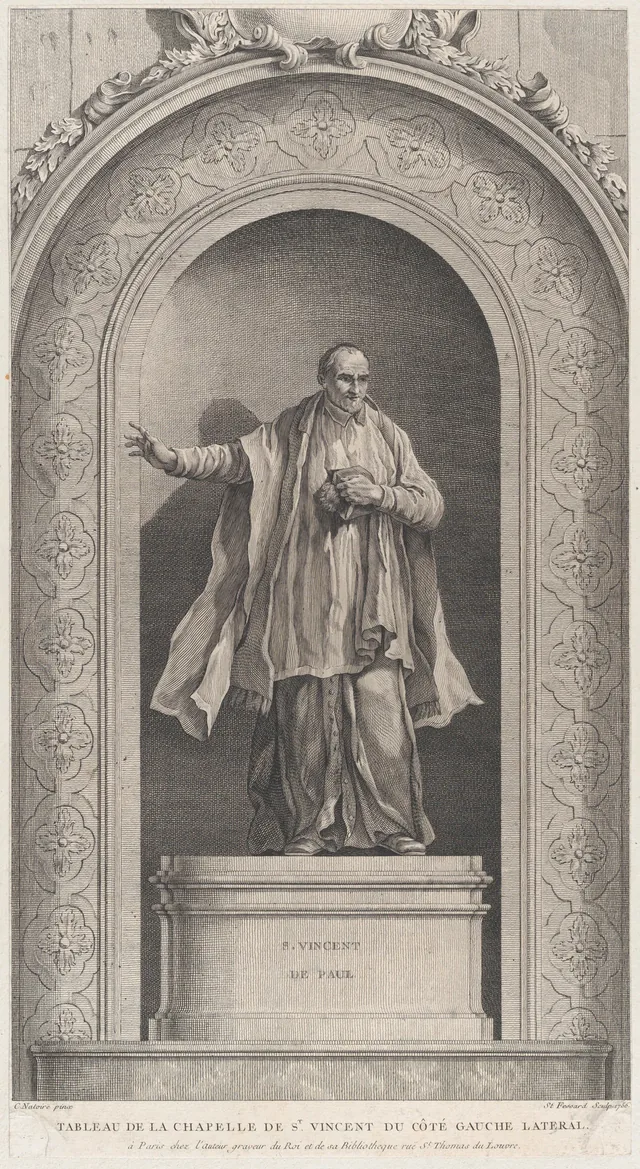
Compassion needed a rota
Vincent de Paul made care more dependable through rules, shared responsibilities and collaboration with women whose work shaped the institutions.
Italy✦
Canonized saint
She went looking for the people who would not ask
Virginia Centurione Bracelli turned a Genoese household into organized shelter, education and visits to people concealed by poverty and shame.
United Kingdom✦
Historically venerated saint
An abbot’s reputation outlasted his body
Waltheof’s life connects royal kinship, Cistercian discipline and a remembered duty to feed people. His remains did not stay intact.
United Kingdom✦
Historically venerated saint
Werburgh: a royal daughter who took responsibility for other women’s houses
Her story runs from the convent at Ely to the civic memory of Chester. The surviving shrine is easier to locate than the woman behind the medieval legends.
United States✦
Catholic religious; no sainthood recognition claimed
She began again in her seventies, carrying a lifetime of teaching, music, and prayer into a new community.
Before the crowds came to Gower, Wilhelmina Lancaster worked in Black Catholic education, faced disappointment, and helped build a monastery around prayer for others.
Italy✦
Historically venerated saint
Zita: a household servant whose wages became help for other people
Lucca remembers her with flowers. Her longer story concerns domestic work, limited power and the use of both money and responsibility.
France✦
Canonized saint
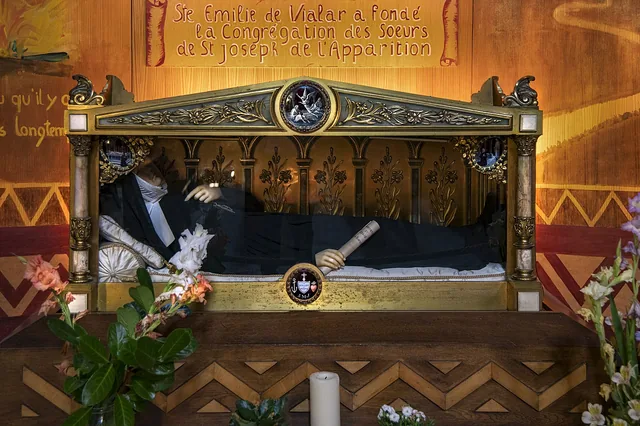
Émilie de Vialar spent her inheritance on a mission she could barely keep afloat.
She began with a house in Gaillac, defended her congregation against a bishop’s demands, lost her money and kept sending sisters to care for people far from home.