THE PERSON BEHIND THE ACCOUNT
He went to Rome as a pilgrim. Sick pilgrims needed a nurse.
In 1450, Diego traveled to Rome for the jubilee and Bernardino of Siena’s canonization. An epidemic among the pilgrims turned that journey into work among sick people at Santa Maria in Aracoeli. The Franciscan biography remembers a stay of three months. [4]
Diego before Alcalá
Born at San Nicolás del Puerto in Andalusia, Diego first sought guidance from a priest living as a hermit. He later entered the Observant Franciscans at Arrizafa near Córdoba as a lay brother. The religious life he chose did not depend on ordination or university learning. The Franciscan historian acknowledges how little is known about his childhood. [4]
An Atlantic assignment
His work took him to the Canary Islands, including Fuerteventura, where he held responsibility in his community. A diocesan homily also remembers his opposition to colonists enslaving islanders. That is a retrospective Church account, rather than a contemporary document reproduced here. The colonial setting deserves to remain visible beside the language of mission. [5]
Garden work and responsibility
The Archdiocese of Granada remembers Diego working as a gardener after his profession. It also says that, when he presented himself in the Roman infirmary during the epidemic, he was entrusted with its direction. These details give his lay vocation a useful range: ordinary manual work could be followed by responsibility when a crisis required it. [6]
The work at Aracoeli
The Franciscan biography places the epidemic among the crowded gathering of pilgrims. Diego stayed to care for people whose pilgrimage had become an illness far from home. The account preserves no patient-level detail, so its nursing tradition remains broader than a record of individual cases. [4]
IN OUR OWN LIVES
Care that does not wait for prestige
A hospital ward, an overcrowded home or a parish food collection can depend on people whose names never reach the program. Diego’s life gives those responsibilities a place in the story of Catholic holiness.
There is also a question for anyone organizing a celebration or pilgrimage: who cleans, feeds people and cares for those who become ill? His Roman assignment puts that labor inside the event. It deserves planning, resources and thanks. Admiration for generous service should never become an excuse to leave carers without support.
THROUGH THE EYES OF FAITH
Faith and daily life
Alcalá still connects Diego’s religious example with practical assistance to people in need. [5]
The bread-and-roses tradition
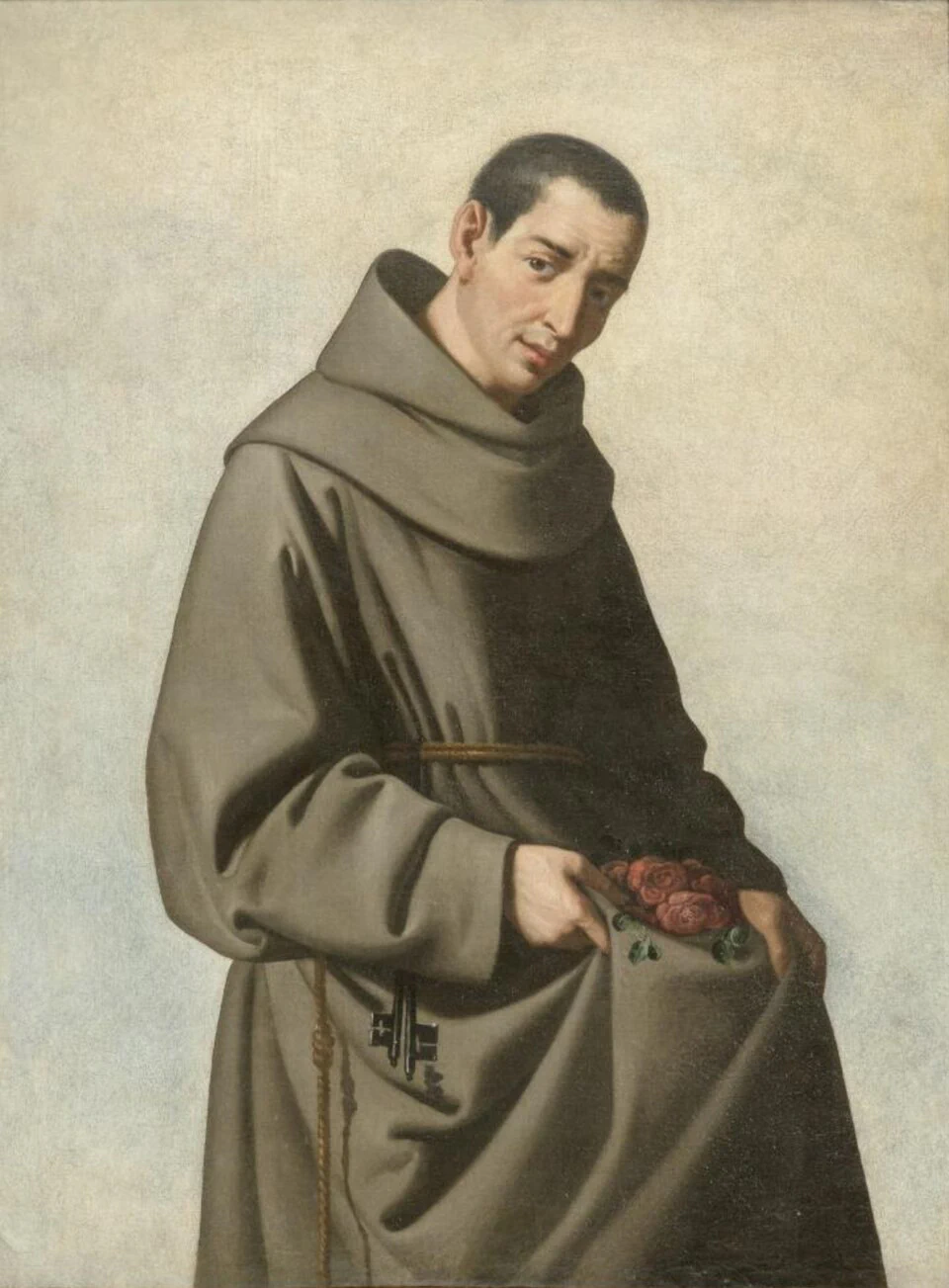
Granada’s account also relates the familiar story of bread carried for poor people turning into roses when a superior challenged him. It is presented here as a miracle tradition, without treating it as a verified physical observation. The story’s continuing appeal is understandable: it asks whether a community’s provisions can be shared beyond its own members. Diego’s remembered nursing work provides a firmer historical focus for the same concern. [6]
Bread, welcome and worship
Alcalá’s feast-day report describes a parish collection of food, hygiene products and money. Prayer beside the remains and assistance for neighbors belong to the same celebration. [5]
THROUGH THE LENS OF SCIENCE
The evidence about the remains
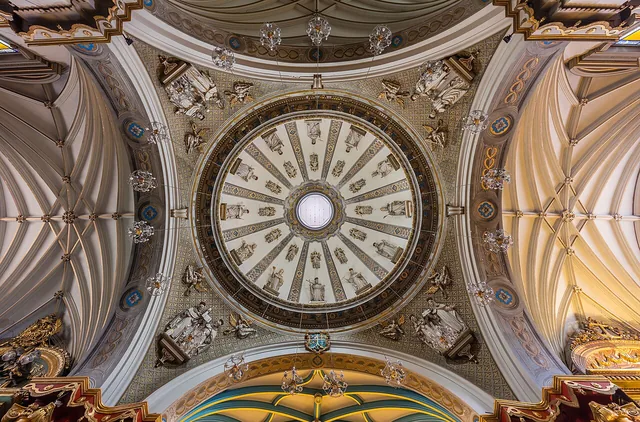
The Cathedral-Magistral at Alcalá publicly venerates remains attributed to him. The diocesan account documents the observance; it gives no anatomical inventory or conservation history. [5]
What the cathedral record tells us
The report identifies what is venerated, but gives no description of surviving tissues or later treatment. The physical claim remains open. [5]
READER QUESTIONS
Questions and answers
Why is he also called Didacus?
Didacus is the Latin form of Diego; Alcalá was his final home and burial place. [4]
Is the November observance an examination of the remains?
No. It is a documented religious observance. The public report does not describe a medical or conservation examination. [5]
FOLLOW THE SOURCES
Sources and further reading
- Andrés-Avelino Esteban Romero — Franciscan life of Diego
Institutional source
Retrospective religious biography; itinerary and Roman epidemic.
- Archdiocese of Granada — San Diego Alcalá
Institutional source
Retrospective life; garden, infirmary and identified miracle tradition.
- Diocese of Alcalá — San Diego’s feast and veneration
Institutional source
Local observance, charity collection and retrospective homily; no anatomical report.
Sources checked: 2026-10-27. Suggest a correction or a source.