THE PERSON BEHIND THE ACCOUNT
When the doors stayed closed, he put his arguments on paper.
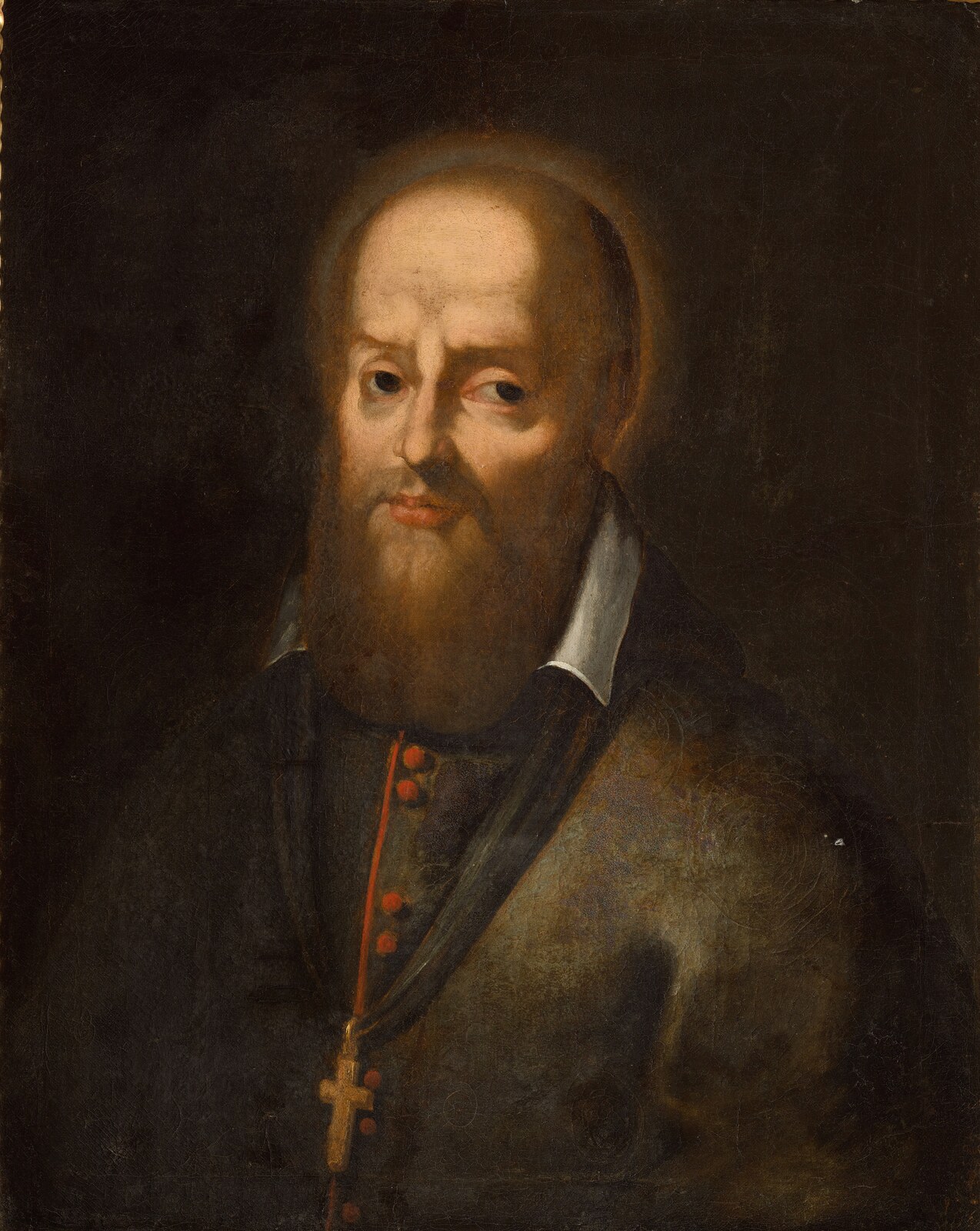
As a young priest in the Chablais, Francis de Sales met hostility and people unwilling to hear him preach. He began distributing written explanations of Catholic teaching. The Church biography describes an adjustment of method: if a conversation would not begin in person, a short text might give it another chance. [1]
A legal career set aside
Born in Savoy in 1567, Francis studied law at Padua in accordance with his father’s plans. He qualified and returned home, but chose ordination in 1593. That decision redirected the education and connections that might have supported a different career. His later episcopal work included parish visits, formation of clergy and personal spiritual guidance. [1]
The religious division around him
The Chablais ministry belonged to a period of conflict between Catholic and Reformed Christianity. Francis studied Calvin’s teaching as part of preparing his explanations. The biography recalls exposure, hunger and threats, but this remains a retrospective Catholic account. Its description of his willingness to explain his beliefs should not erase the political imbalance and pressure that could accompany confessional change. [1]
Anxiety in the student years
Benedict XVI recounts a young Francis distressed by questions about predestination and his own salvation. The account describes a turn toward trust in God’s love. It is a transmitted spiritual episode, not material from which to diagnose him. Its place in his teaching is more useful: an anxious person should not have to earn reassurance by achieving complete certainty about the future. [4]
Four women in a small house
On 6 June 1610 the Visitation began at Annecy with Jane de Chantal and three companions. The community’s history names the women and records their move when the first house became too small. Francis’s contribution grew through collaboration with women who made the common life possible, rather than a foundation created by a bishop alone. [2]
IN OUR OWN LIVES
A spiritual life for people with responsibilities
A parent, shopkeeper or public servant can find a recognizable problem here: how to take prayer seriously without abandoning people who depend on them. Francis’s intended audience included precisely such lives.
His response to closed doors also gives communicators something practical to examine. Can an explanation be shorter, clearer or available for someone to consider at their own pace? Persistence is useful when it improves communication. It becomes intrusive when it refuses to hear another person’s answer. That distinction deserves attention whenever a religious conviction is shared.
THROUGH THE EYES OF FAITH
Faith and daily life
His Introduction to the Devout Life addressed people living amid ordinary obligations. Benedict XVI’s account emphasizes the possibility of belonging to God while fulfilling the responsibilities of one’s circumstances. Family and civic duties were part of the intended setting for devotion. [4]
Devotion within a full day
Benedict XVI reads Francis’s spirituality through freedom and love, including the obligations of people living outside monasteries. This helps explain the continuing usefulness of his writing: a person need not wait for an empty calendar before beginning a life of prayer. The responsibilities that shape the calendar still have to be honored. [4]
THROUGH THE LENS OF SCIENCE
The evidence about the remains
The Visitation community at Annecy documents the custody and movement of his relics. The public history traces places of veneration; it does not supply a modern description of all surviving tissues. [2]
Relics moved with the community
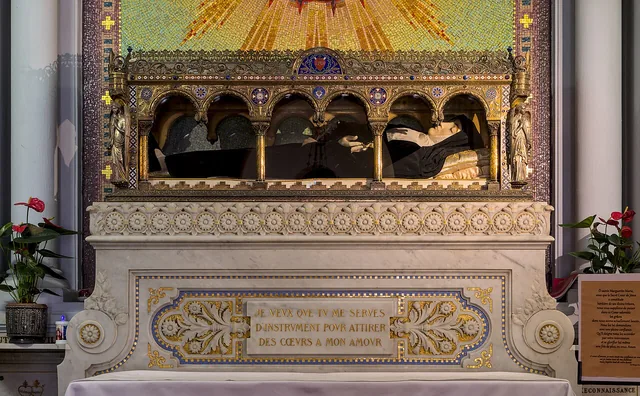
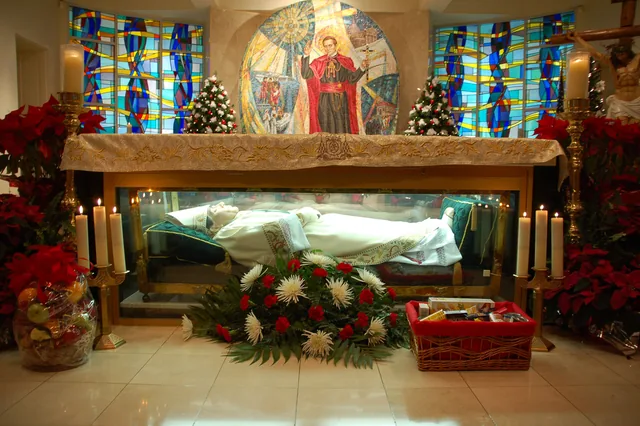
The Annecy community records expulsion during the French Revolution and a later succession of homes. In August 1911, the move to the new monastery included the translation of Francis’s and Jane’s relics. The basilica’s own history identifies their continuing veneration there. Those institutional records establish a custodial history, while leaving the anatomy and treatment of the enclosed remains insufficiently described for a preservation assessment. [2] [5]
READER QUESTIONS
Questions and answers
Was Annecy his only place of work?
No. His priestly ministry included the Chablais, and his work as bishop of Geneva was based at Annecy. [1]
What does the monastery’s history establish about his remains?
It documents the movement of attributed relics with the community, including the 1911 transfer. It gives no full anatomical examination. [2]
FOLLOW THE SOURCES
Sources and further reading
- Dicastery for the Causes of Saints — Francis de Sales
Institutional source
Biography; law, ministry and written explanations.
- Visitation of Annecy — Monastery history
Institutional source
Foundation, expulsion and 1911 translation of relics.
- Benedict XVI — Francis de Sales, 2 March 2011
Institutional source
Primary Catholic interpretation; student crisis and ordinary-life devotion.
- Visitation of Annecy — Basilica history
Institutional source
Present custodial setting; no anatomical inventory.
Sources checked: 2026-10-27. Suggest a correction or a source.