
A reported healing, a preserved body, and a mark on a consecrated host raise different questions. Medical records can document a recovery. Laboratory tests can identify a material. A bishop may then make a religious judgment about an event’s meaning. A useful investigation explains the evidence behind each step.
Choose the kind of claim you want to examine below. The linked articles bring the methods, competing explanations, and Catholic interpretation into the same account. Their source sections let you follow a particular finding back to the document that supports it.
A healing: start with the diagnosis and follow-up
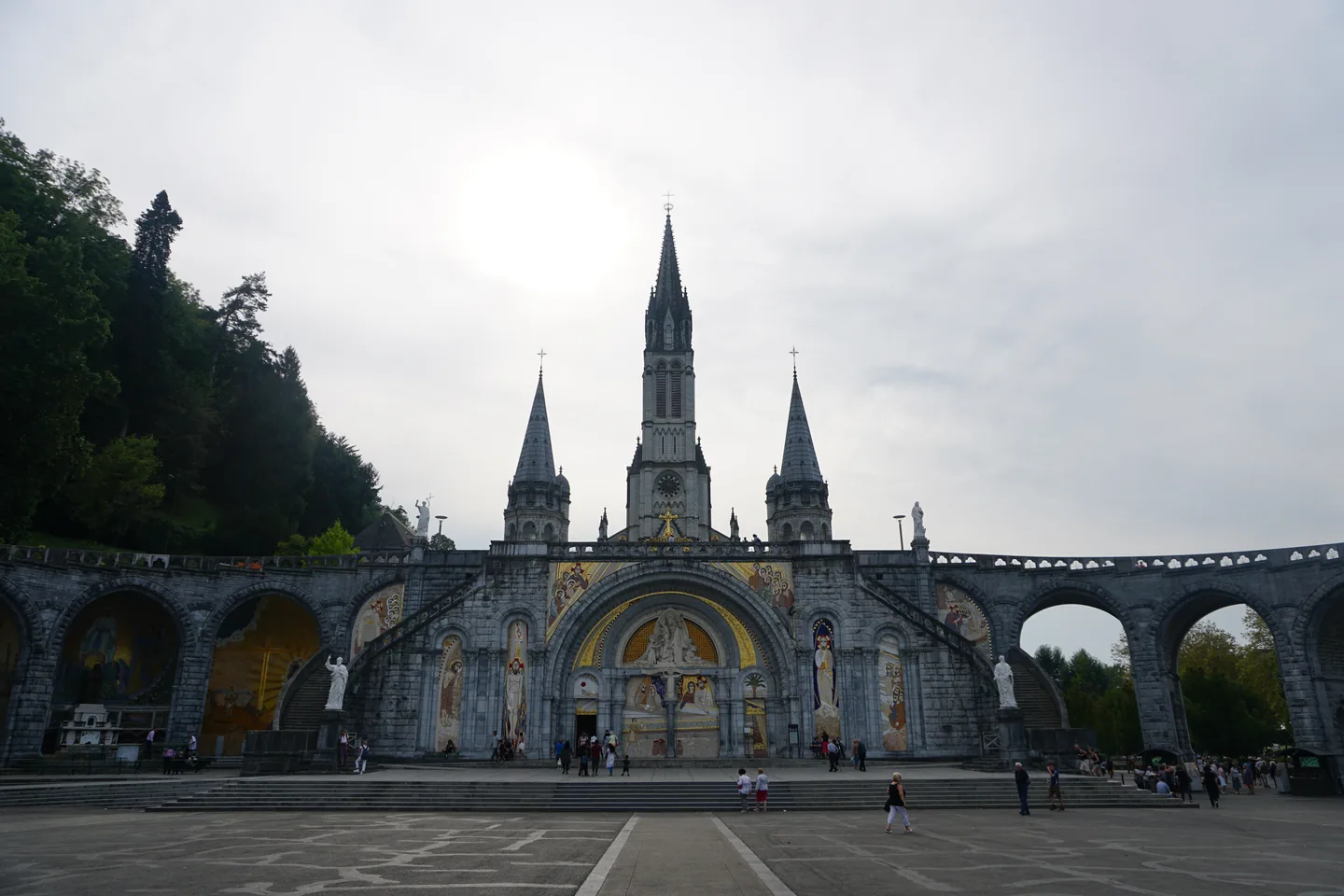
Antonia Raco’s reported recovery at Lourdes offers a concrete case. The sanctuary describes years of neurological illness, renewed ability to walk during a 2009 pilgrimage, and subsequent medical investigation. Her bishop recognized the recovery as miraculous in 2025.
The article explains why the original diagnosis, treatments, and lasting change need scrutiny. Public institutional summaries report the investigators’ conclusions but do not provide the complete clinical dossier. You can therefore trace the decision without mistaking the article for an independent neurological review.
For the person at the beginning of Lourdes’ history, read Bernadette Soubirous’s life. Her years of nursing and illness at Nevers give the subject a human setting beyond the later healing claims.
Preserved remains: learn what visitors are seeing
Bernadette’s profile also explains the wax coverings on her face and hands. Photographs of a reliquary need that context. The Teresa of Ávila profile distinguishes earlier observations of the remains from later conservation treatment and a modern facial approximation. The displayed body, treatment history, and reconstructed portrait are different kinds of evidence.
Sister Wilhelmina Lancaster’s case brings the inquiry closer to the present. A diocesan statement describes a limited medical examination and an unusually preserved body; the full report and data are not public there. The profile follows her work in Black Catholic education and religious community life alongside that account. She is presented as a Catholic religious, with no sainthood recognition claimed. Use the saints atlas to compare other lives, Church statuses, and preservation histories.
A relic’s age: compare what the tests actually date
The Shroud of Turin investigation begins with the medieval radiocarbon result for the sampled linen. It then examines statistical criticism, the disputed repair hypothesis, and a later X-ray aging estimate with assumptions about storage conditions.
Dating linen, explaining an image, and identifying the person represented require different evidence. Read the competing studies with those questions separate, rather than letting an unusual image answer all three.
A discolored host: follow the sample through the laboratory
Our article on scientific investigations of Eucharistic hosts examines a 2025 study of 25 anonymized cases. It explains why a positive blood screen needs confirmation, and why a trace of human DNA needs a handling history.
The study identified bacteria and fungi in several specimens; other observations remained unresolved. The article includes those difficult cases without treating resemblance to tissue as confirmed identification. It also explains Catholic teaching about the Eucharist, which does not predict a visible biological change at every Mass.
A health claim about prayer: inspect the comparison
The article on clinical trials of prayer follows the STEP study’s patients, assignments, and outcomes. Its comparison found no significant benefit from the assigned prayer intervention among patients uncertain whether they would receive it. That result answers a defined clinical question; it cannot stand in for every form of prayer or settle whether God exists.
The Catholic discussion includes people who remain ill. A poor medical outcome gives no basis for judging someone’s faith. Prayer, care, and companionship can continue without a promise of recovery.
Consider what calling an event a miracle adds
Do laws of nature leave room for miracles? examines the philosophical possibility of divine action and the further reasoning needed to identify a particular event as a sign. It gives the individual investigations a theological context. For an introduction to the beliefs and practices behind that context, Explore Catholicism starts with Jesus Christ, worship, and prayer.